FISHING GUIDE
WHERE TO START
Before trying fishing for the first time, it's important to have some basic knowledge to ensure a successful and enjoyable experience. Familiarize yourself with the local fishing regulations and obtain the necessary fishing license if required. Understand the different types of fishing equipment such as rods, reels, lines, hooks, and baits. Learn basic fishing techniques including casting, setting the hook, and reeling in the fish. Gain knowledge about the type of fish you're targeting, their habits, and the best fishing spots. Be aware of safety measures around water bodies and have essential gear like a life jacket and sun protection. Lastly, practice patience and have a positive attitude as fishing can be a relaxing but unpredictable activity.
Rods and Reels for Beginners
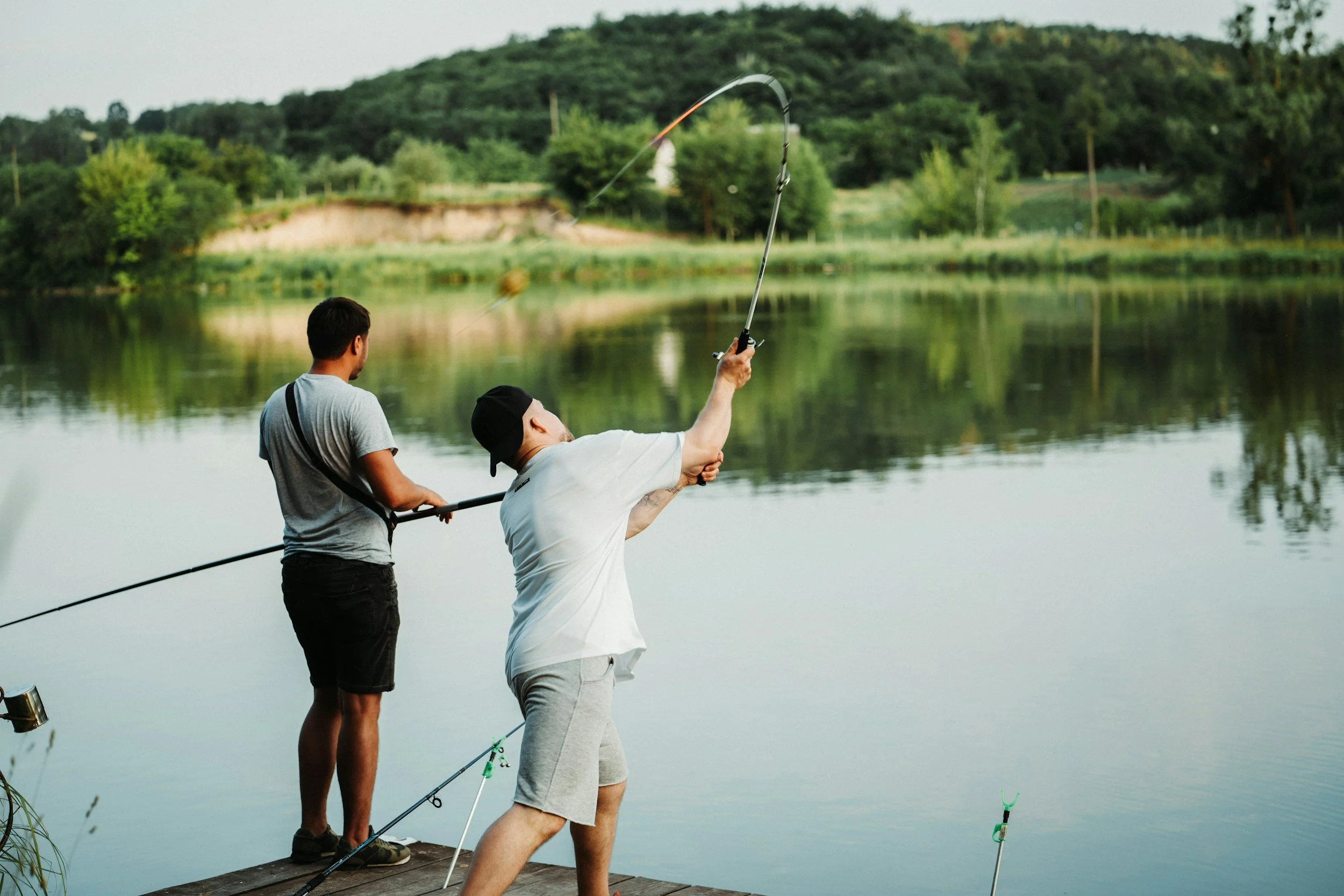
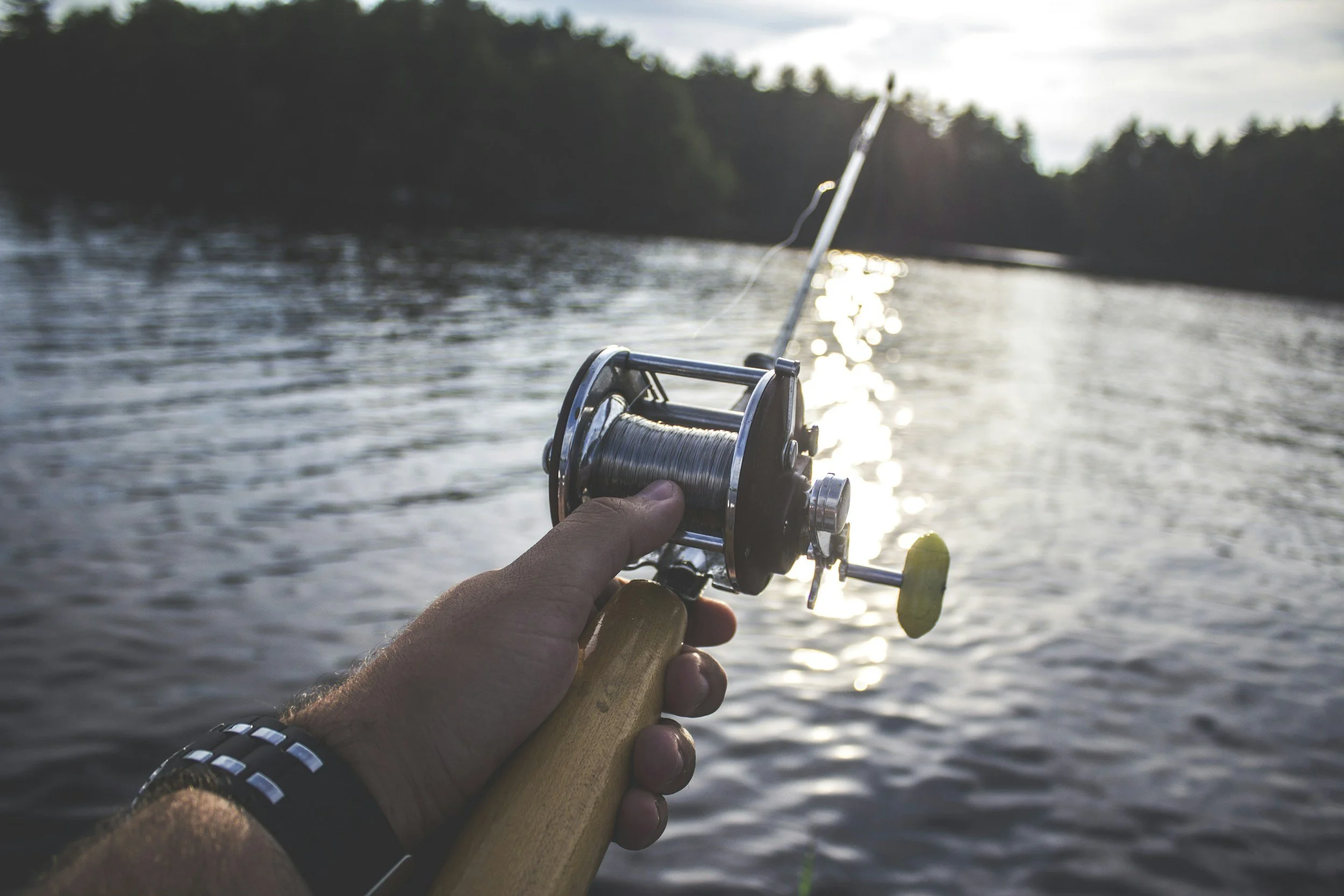
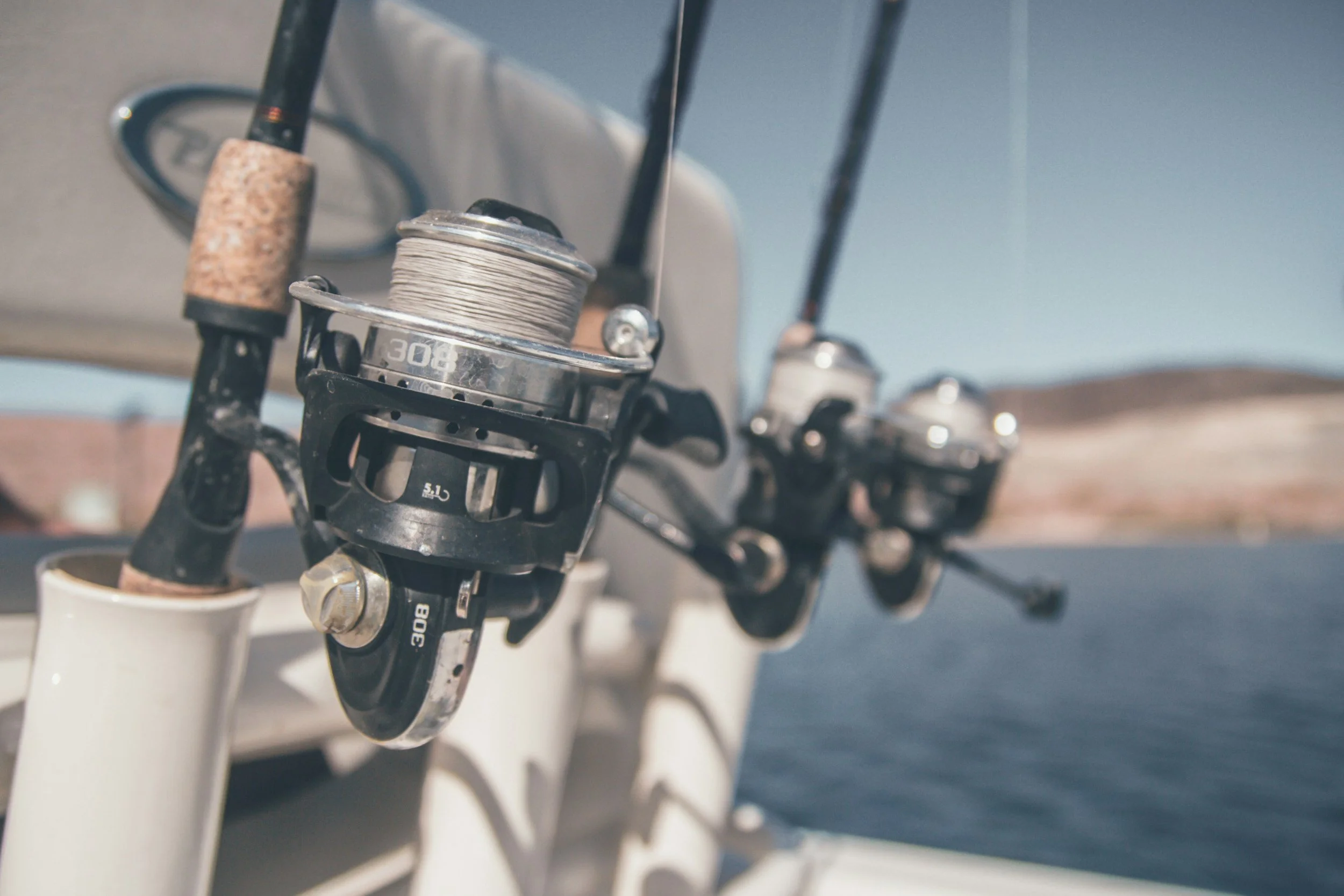
If you’re new to fishing and looking for the right equipment to get started, choosing the right rod and reel is essential. For beginners, it’s recommended to start with a simple spinning rod and reel combo. These are easy to use and versatile, making them perfect for learning the basics of casting and reeling in fish.
When selecting a spinning rod, opt for a medium-light or medium power rod around 6 to 7 feet in length. This size offers a good balance of flexibility and strength, ideal for handling a variety of fish species. Pair your rod with a spinning reel that matches the size of the rod, usually indicated by the reel’s size number.
As a beginner, focus on understanding the mechanics of casting, reeling, and setting the hook. Practice in different environments such as ponds, lakes, or rivers to get a feel for different fishing conditions. Remember to pair your rod and reel with the appropriate fishing line and lures based on the type of fish you’re targeting.
FISHING LIne
When starting out in the world of fishing, choosing the right fishing line is crucial. For beginners, monofilament fishing line is often recommended due to its versatility and forgiving nature. Monofilament line is easy to handle, stretches to absorb shock, and is generally less expensive than other types of lines.
When selecting a fishing line, consider the weight or "pound test" rating. For beginners, a line in the 6 to 12-pound test range is a good starting point as it offers a balance between strength and flexibility.
Additionally, pay attention to the line diameter. Thicker lines are more visible to fish but offer better abrasion resistance, while thinner lines are more sensitive to bites but can be more prone to breaking.
Overall, choosing the right fishing line for beginners involves finding a line that matches the type of fish you are targeting, the fishing conditions, and your level of experience. Remember to replace your fishing line regularly to ensure optimal performance and enjoy your time on the water.
Fishing Weights
When starting out with fishing, choosing the right weights can make a significant difference in your success. Here are a few common types of fishing weights that are perfect for beginners:
Split Shot Weights: These are small, round weights that can easily be attached and moved along the fishing line. They are great for adjusting the depth of your bait without having to retie your line constantly.
Bank Sinkers: Bank sinkers are larger, cylindrical weights that work well in rivers and streams with strong currents. They are designed to help your bait stay in place against the water flow.
Egg Sinkers: Egg sinkers are shaped like an egg with a hole through the center. They are ideal for fishing in areas with rocky or rough bottoms as they are less likely to get snagged.
Bullet Weights: These sleek weights are shaped like a bullet or a cone. They are perfect for casting long distances and are commonly used in freshwater fishing.
Bobber Stoppers: While not weights themselves, bobber stoppers are essential for adjustable depth fishing. They prevent sliding weights from moving past a certain point on your line.
Make sure to select the appropriate weight based on the fishing conditions and the type of fish you are targeting. Experiment with different weights to find what works best for your style of fishing.
LOCATION
For beginners interested in fishing, there are several different locations to consider that offer varying experiences.
Pier Fishing: Pier fishing is a great option for beginners as it provides a stable platform above the water. Piers often have amenities like benches, restrooms, and sometimes even shops where you can purchase bait and tackle. They are also usually located in areas where fish are plentiful, making it easier for beginners to have a successful fishing experience.
Shore Fishing: Shore fishing is another popular option for beginners. This involves fishing from the shoreline of a body of water such as a lake, river, or ocean. Shore fishing allows for easy access to fishing spots and is a great way to practice basic fishing techniques without needing any specialized equipment.
Bank Fishing: Bank fishing refers to fishing from the banks of rivers or streams. This is a popular choice for beginners as it provides a peaceful and secluded fishing experience. Bank fishing often requires hiking to reach the fishing spot, so it is essential to pack light and only bring the necessary equipment.
Kayak Fishing: Kayak fishing is a more adventurous option for beginners who are looking to explore different fishing locations. Fishing from a kayak allows anglers to access hard-to-reach spots where fish are abundant. It is important for beginners to take a safety course before attempting kayak fishing and to always wear a life jacket.
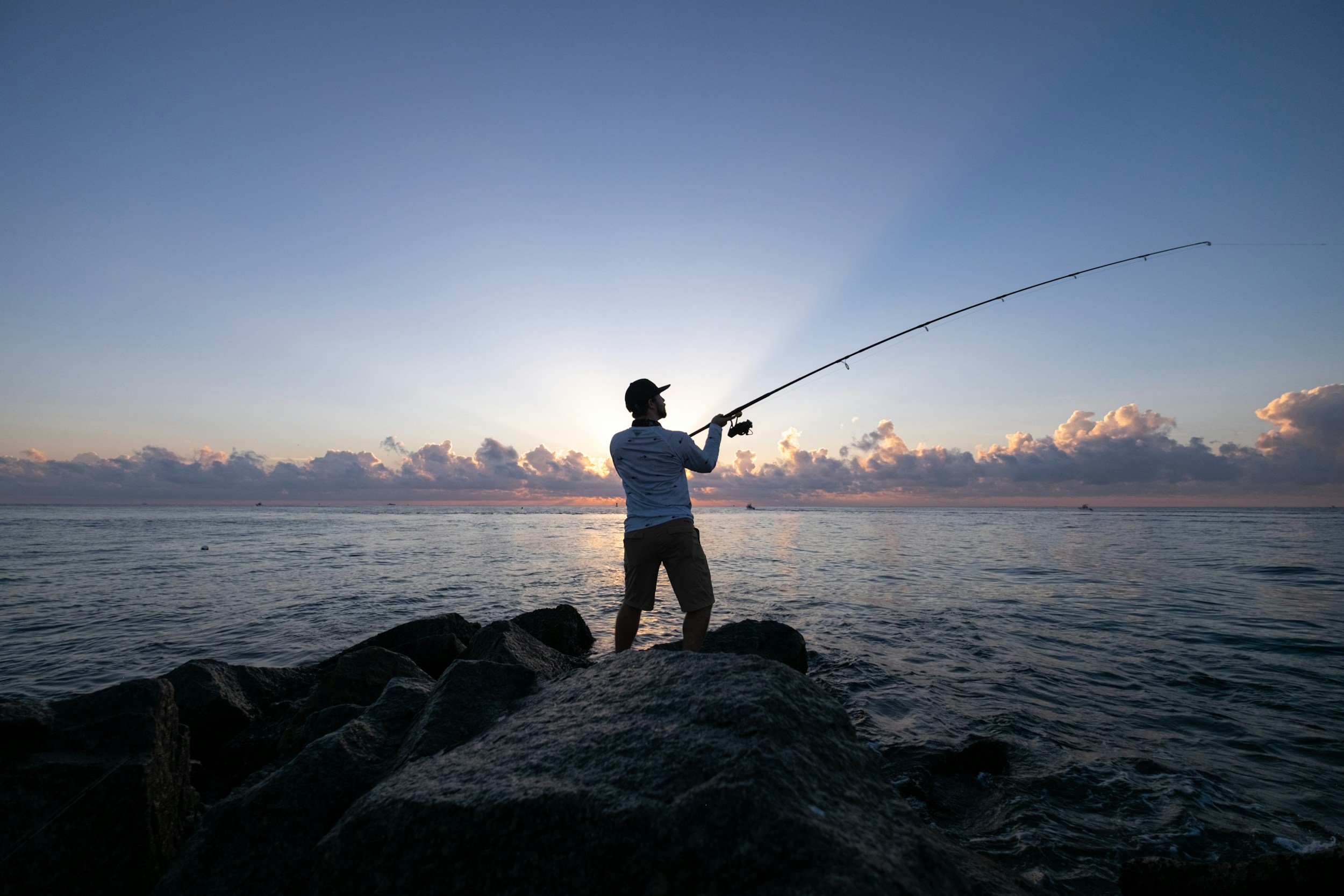
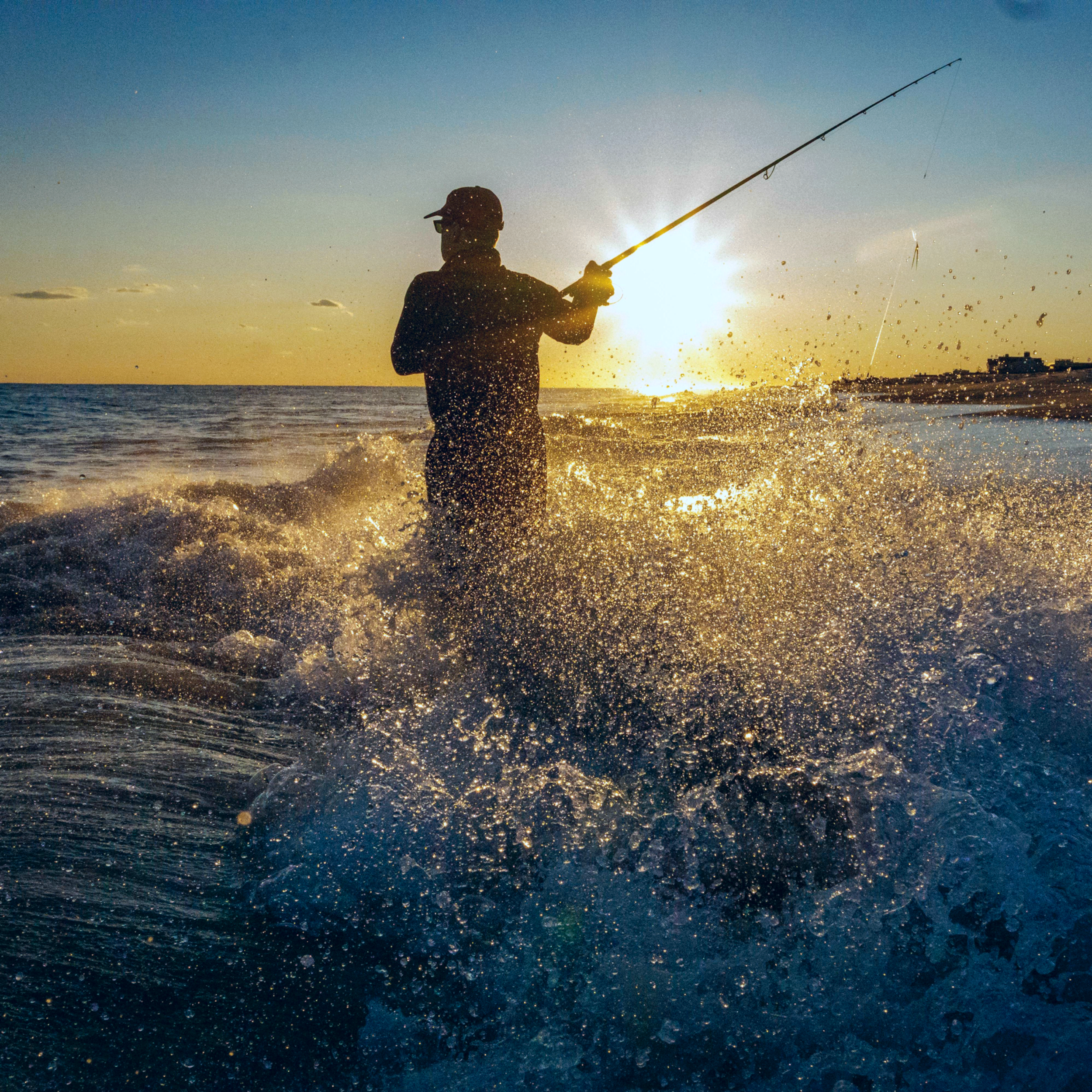
Beach Fishing: Beach fishing is a relaxing option for beginners who enjoy spending time by the ocean. Many beaches allow fishing, and anglers can cast their lines into the surf in search of various fish species. It is essential to check local regulations and be mindful of other beachgoers while beach fishing.
Exploring these different fishing locations can help beginners discover their preferred fishing style and environment. Whether you choose pier fishing for convenience or kayak fishing for adventure, each location offers a unique fishing experience for anglers of all skill levels.
BAIT
When it comes to choosing fish bait for beginners, it's important to consider a few key factors to increase your chances of a successful fishing trip. As a beginner, it's best to start with versatile and easy-to-use options that attract a variety of fish. Live bait such as worms, minnows, and crickets are popular choices due to their effectiveness and accessibility. Artificial lures like spinnerbaits, spoons, and soft plastics can also be great options for beginners as they are designed to mimic the movements of real bait.
Consider the type of fish you are targeting and the fishing environment when selecting bait. For example, if you are fishing in a lake known for bass, soft plastic worms or crankbaits can be effective choices. On the other hand, if you are targeting trout in a river, live bait such as worms or artificial lures like spinners may yield better results.
Experimenting with different types of bait and techniques is key to finding what works best for you. Don't be afraid to ask local anglers or fishing shop experts for recommendations based on your location and target fish. Remember, patience and practice are essential in mastering the art of fishing, so enjoy the learning process and tight lines!
CATCHING
Tips for Beginner Fishermen to Catch Their First Fish:
Choose the right fishing spot: Look for areas with plenty of fish and easy access for beginners, such as ponds, lakes, or piers.
Use the proper equipment: Start with a basic fishing rod and reel combo suitable for beginners. Make sure to match your fishing line with the type of fish you're targeting.
Learn basic fishing knots: Practice tying strong knots such as the improved clinch knot or Palomar knot to secure your hooks, lures, and swivels properly.
Understand the habits of the fish: Research the species you're targeting to know their feeding habits, preferred baits, and the best time of day to catch them.
Choose the right bait: For beginners, start with easy-to-use baits such as worms, crickets, or artificial lures that mimic common prey fish in the area.
Practice casting: Spend time practicing your casting technique in an open area before hitting the water. Focus on accuracy and distance to improve your chances of a successful catch.
Be patient and observant: Fishing requires patience, so relax and enjoy the experience. Pay attention to any movement in the water or changes in weather that could indicate fish activity.
Set the hook properly: When you feel a fish biting, don't yank the line immediately. Instead, gently reel in the slack and give a firm hook-set to secure the catch.
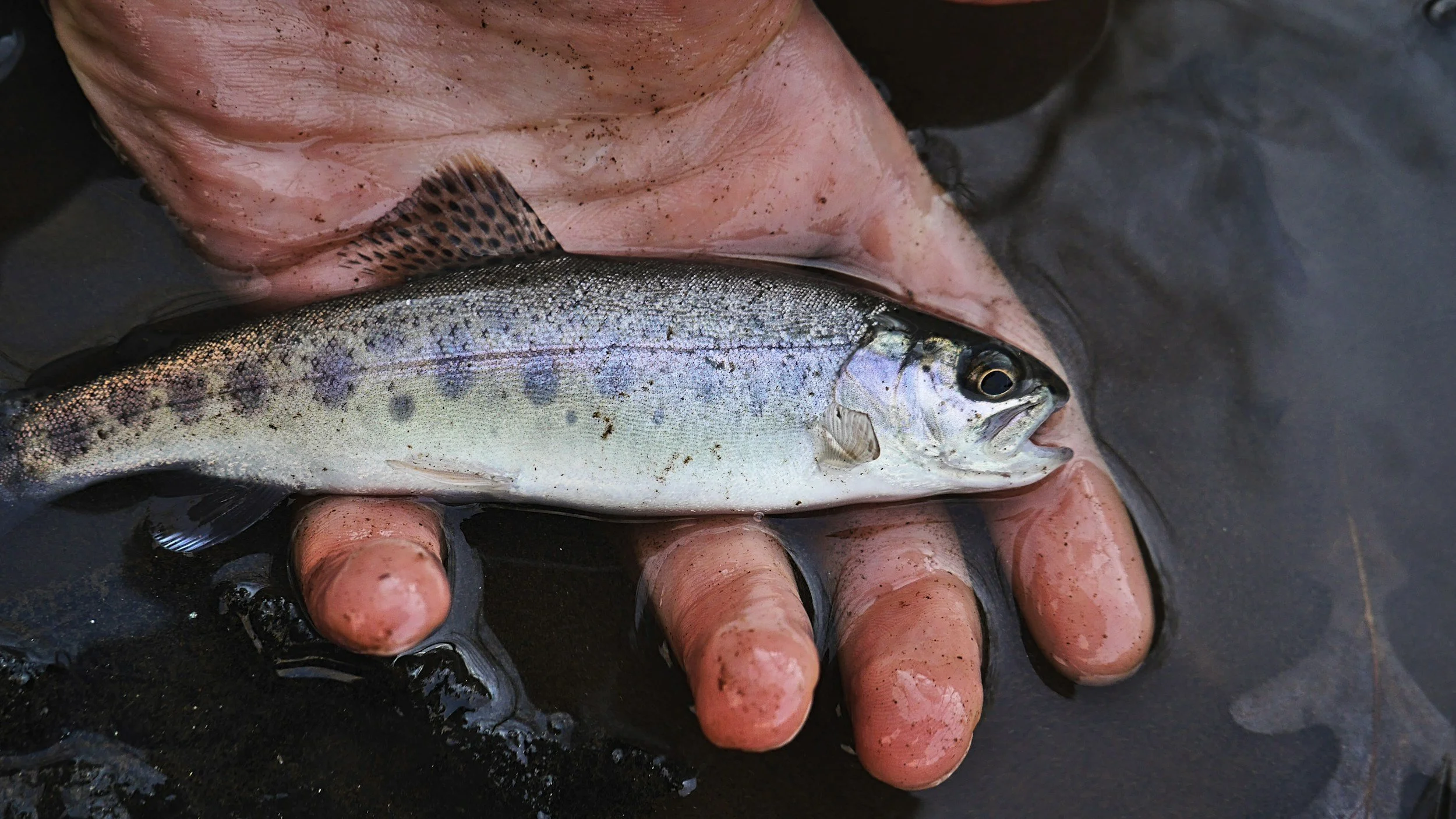
Handle the fish carefully: If you successfully catch a fish, handle it with wet hands to protect its slime coat. Use proper tools like pliers to safely remove the hook.
Practice catch and release: Consider releasing your first few catches to help conserve the fish population and ensure future generations can enjoy the sport.
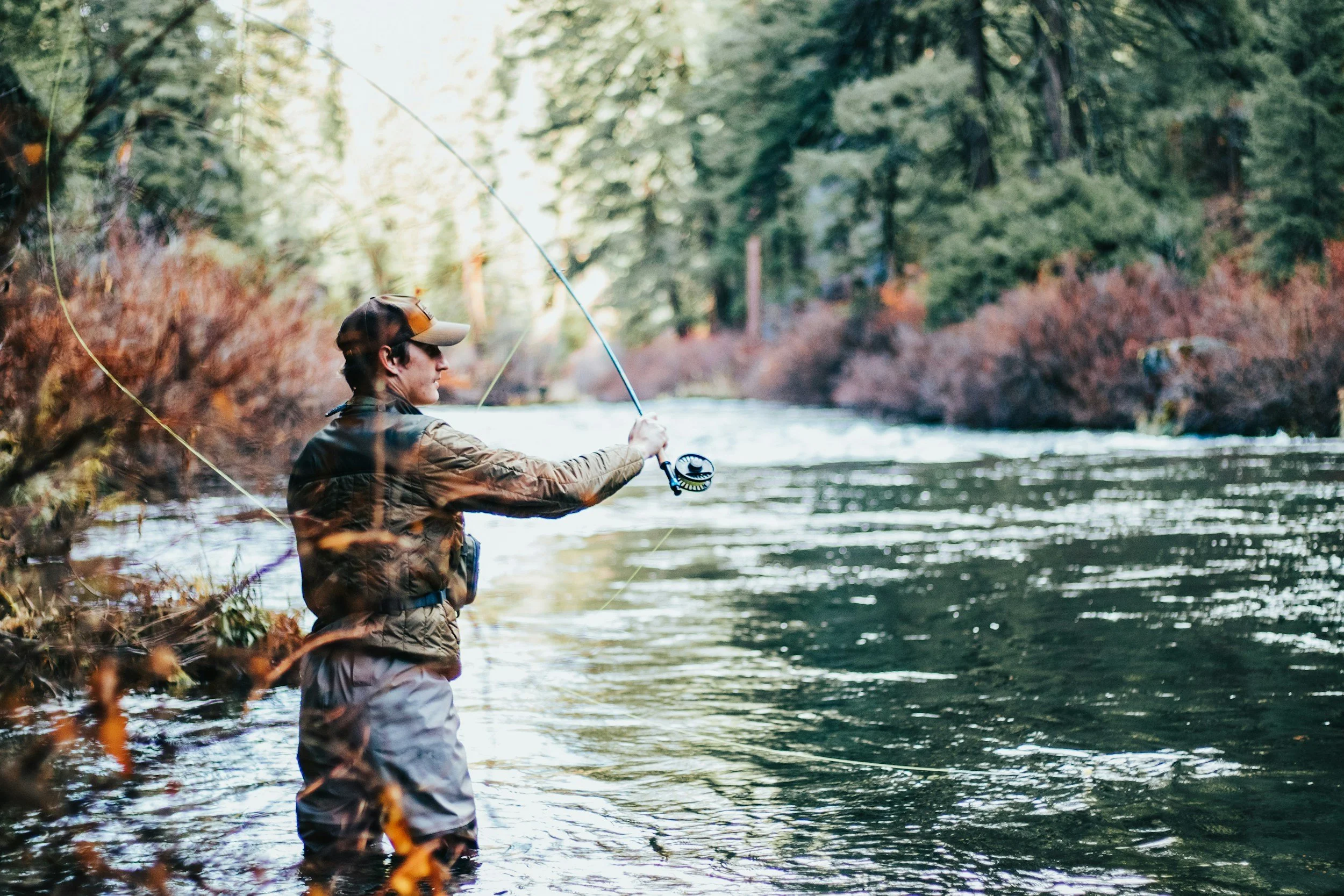
FLY FISHING
Fly fishing is a popular and rewarding outdoor activity that allows anglers to fish in freshwater and saltwater. Here are some essential tips for beginners looking to get started in fly fishing:
1. Understand the Basics
Equipment: Essential fly fishing gear includes a fly rod, reel, fly line, leader, and flies. Choose equipment suitable for beginners.
Casting: Practice basic casting techniques like the overhead cast, roll cast, and false cast. Casting accurately takes time and practice.
2. Learn About Flies
Types of Flies: Flies mimic insects and baitfish to attract fish. Common types include dry flies, nymphs, and streamers.
Matching the Hatch: Observing the insects around the water can help you choose the right fly to use.
3. Explore Different Techniques
Dry Fly Fishing: Casting lightweight flies on the water's surface to mimic insects.
Nymph Fishing: Fishing underwater with weighted flies to mimic insect larvae.
Streamer Fishing: Using larger flies to imitate baitfish and provoke aggressive strikes from predatory fish.
4. Practice Patience and Observation
Be Patient: Fly fishing requires focus and patience. Take your time and enjoy the process.
Observe the Water: Pay attention to the water's movement, potential feeding spots, and fish behavior to improve your success.
5. Stay Safe and Respectful
Safety First: Always wear appropriate gear, be aware of your surroundings, and follow fishing regulations.
Respect Nature: Practice catch and release, respect wildlife, and leave no trace to preserve the environment.
DISPATCHING
To humanely dispatch a fish, beginners can follow these steps:
Prepare your tools: You will need a sharp knife or fish scaler, a fish club, or a priest.
Decide on the method: The most common methods are percussive stunning (using a club or priest) or pithing (inserting a sharp tool into the fish's brain).
Percussive stunning: Place the fish on a flat, stable surface. Deliver a swift and firm blow to the fish's head, slightly behind the eyes. This method is quick and effective.
Pithing: Insert a sharp tool, such as a knife or an icepick, into the fish's brain through the top of the head. Wiggle the tool gently to destroy the brain. This method is more precise but requires a steady hand.
Bleed the fish: After dispatching the fish, bleed it by cutting the gills or slicing the main artery to improve the quality of the meat.
Dispose of the fish humanely: If the fish is not going to be consumed, ensure it is disposed of responsibly, such as returning it to the water or using it as compost.
Always prioritize the fish's welfare and aim for a swift and humane dispatch to minimize suffering.