SPIDERS
MOST COMMON IN AMERICA
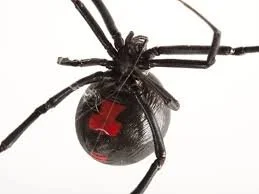
Black Widow Spider (Latrodectus mactans): Recognizable by the red hourglass shape on the underside of its abdomen. Found in woodpiles, rocks, and dark crevices.
Brown Recluse Spider (Loxosceles reclusa): Identified by the violin-shaped mark on its back. Hides in undisturbed areas like logs, sheds, and piles of debris.
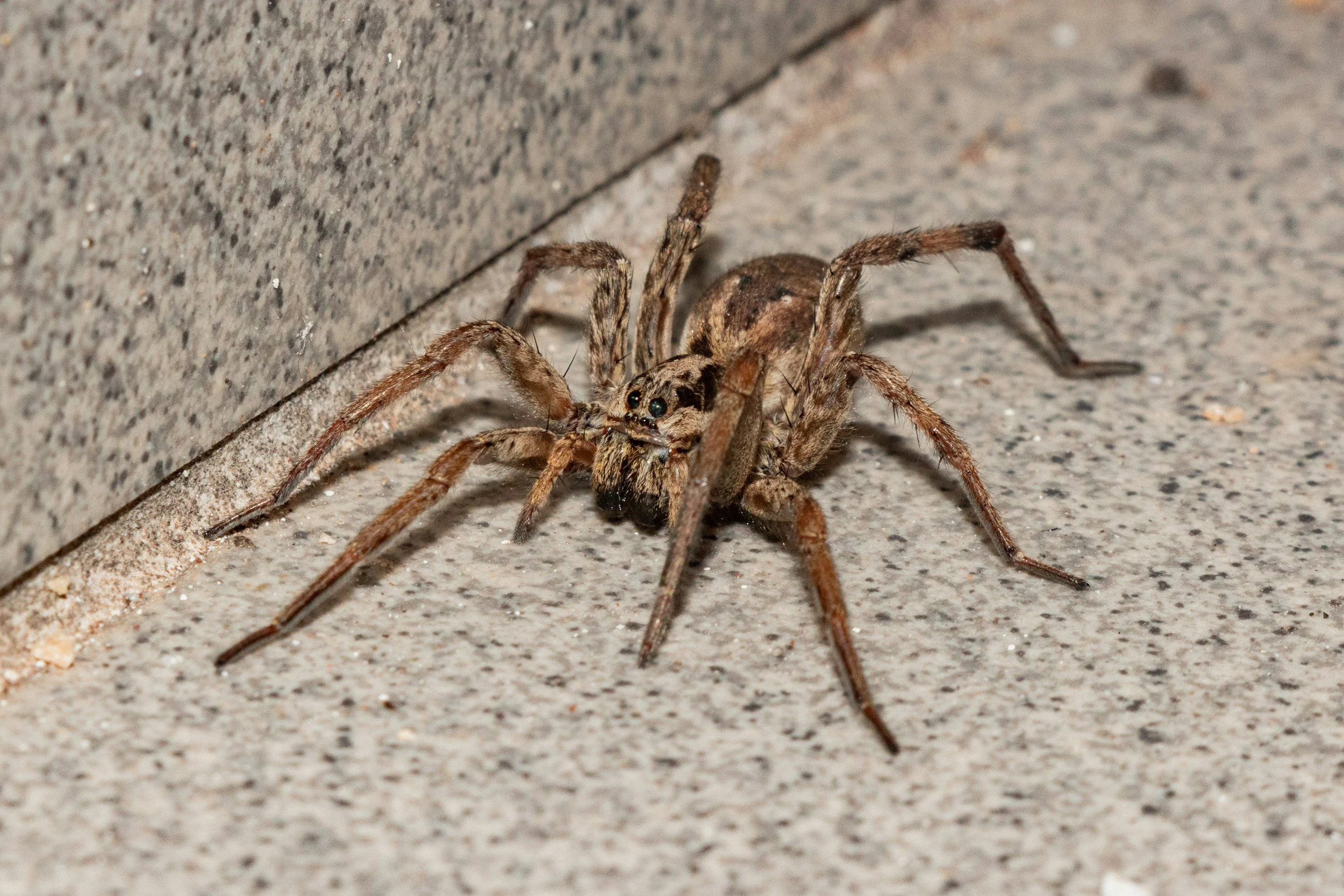
Wolf Spider (Lycosidae family): Typically large and hairy with good eyesight. They do not spin webs but actively hunt for prey on the ground.
Yellow Sac Spider (Cheiracanthium inclusum): Pale yellow with a slightly darker abdomen. Often found in silk sacs in folded leaves or under loose bark.
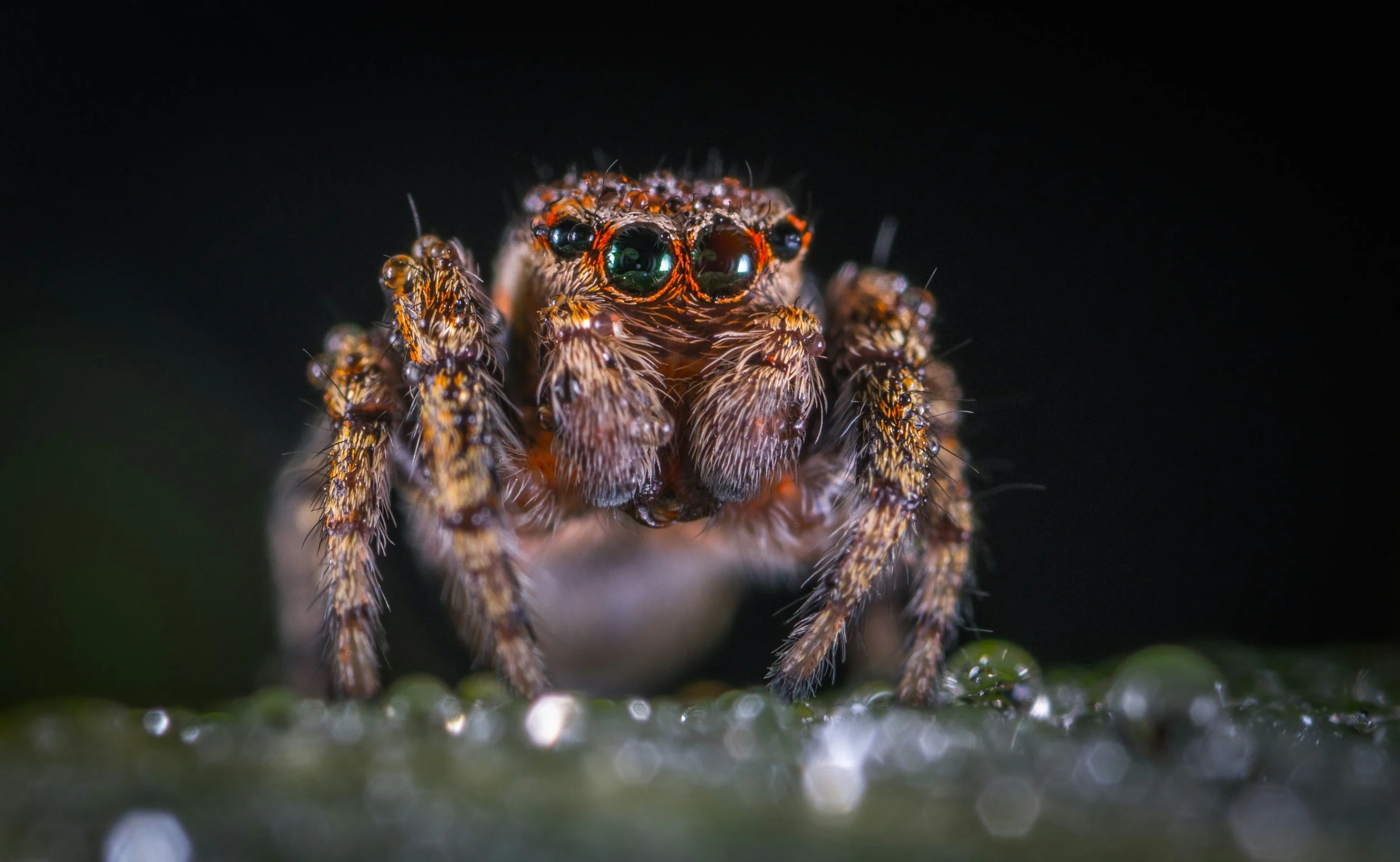
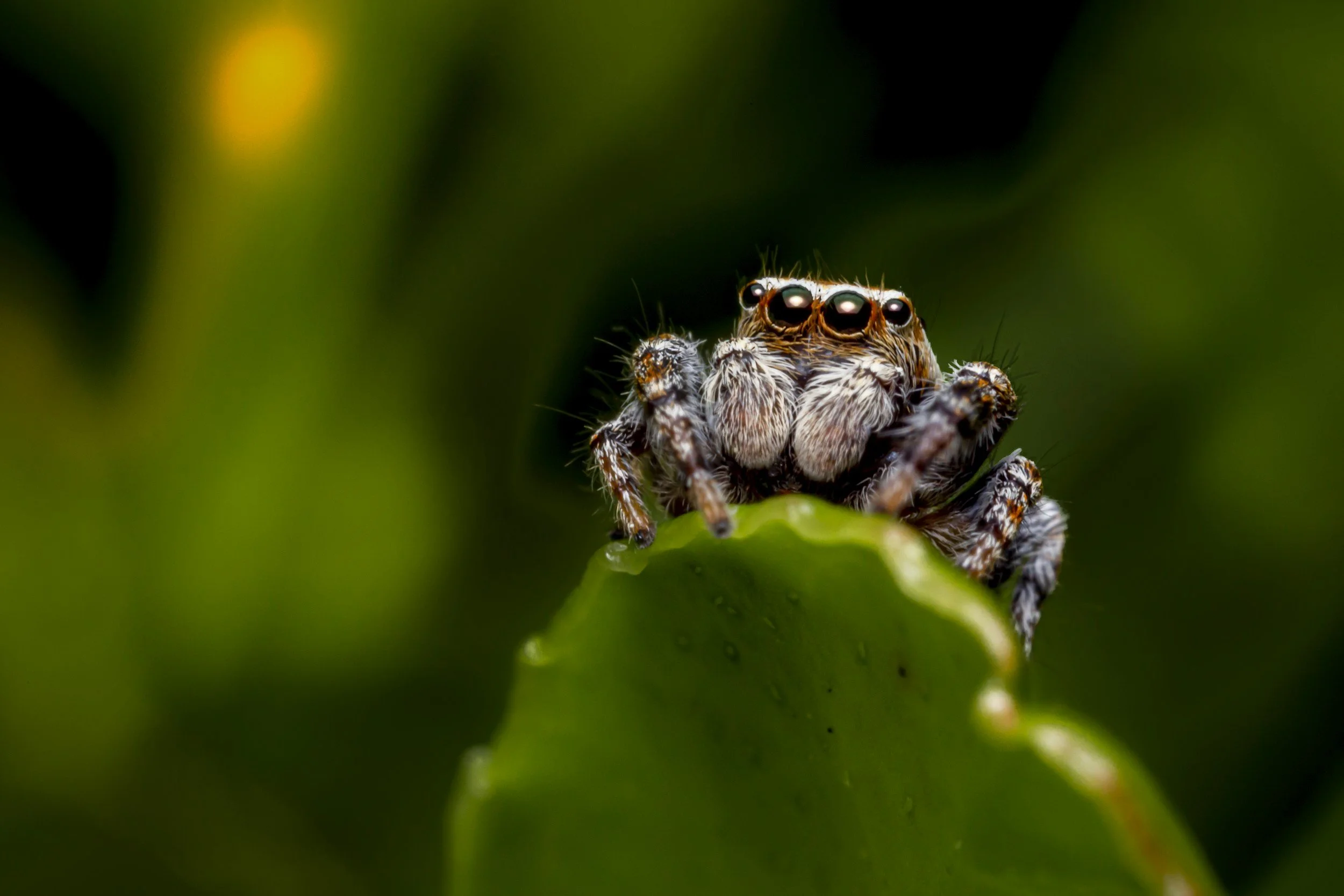
Jumping Spider (Salticidae family): Compact and often brightly colored with the ability to leap several times their body length. Commonly seen on tree trunks and leaves.
BLACK WIDOW
Black widows are venomous spiders commonly found in the United States. They are known for the distinctive red hourglass shape on their abdomen. While their bites can be painful, they are rarely fatal to humans. If you suspect a black widow infestation near your outdoor gear or camping supplies, it is recommended to contact a professional pest control service for safe removal.
BROWN RECLUSE
The brown recluse, scientifically known as Loxosceles reclusa, is a venomous spider native to the United States. These spiders are most commonly found in the Midwest and southern United States. Identifying features include a violin-shaped marking on the back of their cephalothorax.
Brown recluse spiders are shy and nocturnal, hence the name "recluse." They prefer dark, secluded areas like closets, basements, and garages. While bites are rare, they can be serious and result in necrotic lesions. If bitten, seek medical attention immediately.
Preventative measures include shaking out clothing and shoes before wearing them, sealing gaps and cracks in buildings, and keeping storage areas clutter-free. If dealing with a brown recluse infestation, it is advisable to contact a professional pest control service.
WOLF SPIDER
Wolf spiders are a common type of arachnid found throughout the United States. They are known for their robust bodies, agile hunting skills, and keen eyesight. Unlike other spiders, wolf spiders don't spin webs to catch their prey. Instead, they actively hunt down insects, small animals, and other spiders on the ground.
One distinctive feature of wolf spiders is their maternal behavior. Female wolf spiders carry their egg sacs on their spinnerets until the eggs are ready to hatch. Once hatched, the mother carries her spiderlings on her back until they are old enough to fend for themselves.
While wolf spiders possess venom to subdue their prey, they are not considered dangerous to humans. Their bites may cause mild pain, swelling, or redness, similar to a bee sting. However, individuals who are sensitive to insect bites or stings should exercise caution around wolf spiders.
In outdoor environments, wolf spiders play a crucial role in controlling insect populations. By preying on pests, they help maintain ecological balance. For those interested in observing these fascinating creatures up close, keeping a safe distance and refraining from handling them is recommended to avoid any potential bites.
In conclusion, wolf spiders are beneficial predators that contribute to the ecosystem's health. Understanding and appreciating these arachnids can lead to a deeper respect for the biodiversity present in the natural world.
YELLOW SAC
Yellow sac spiders are common arachnids found throughout the United States. They are named for their signature yellow color and their characteristic sac-like webs that they build in corners and crevices. These spiders are known for their potentially venomous bite, which can cause mild irritation and swelling. While their bite is not usually dangerous to humans, it is recommended to seek medical attention if bitten. Yellow sac spiders are typically found indoors, where they prey on small insects. To prevent infestations, it is advised to seal cracks and crevices in the home and remove clutter where spiders can hide.
JUMPING SPIDER
Jumping spiders are known for their incredible hunting skills and unique ability to leap long distances to catch their prey. These small arachnids have excellent vision and are capable of jumping many times their body length to pounce on insects. Unlike other spiders that rely on webs to catch food, jumping spiders actively hunt for their next meal. With their cute and curious appearance, they have become popular among insect enthusiasts and are considered beneficial in controlling pest populations in gardens and homes. If you're interested in observing jumping spiders in action, keep an eye out for these fascinating creatures next time you're outdoors.
Black Widow
Wolf Spider
Jumping Spider
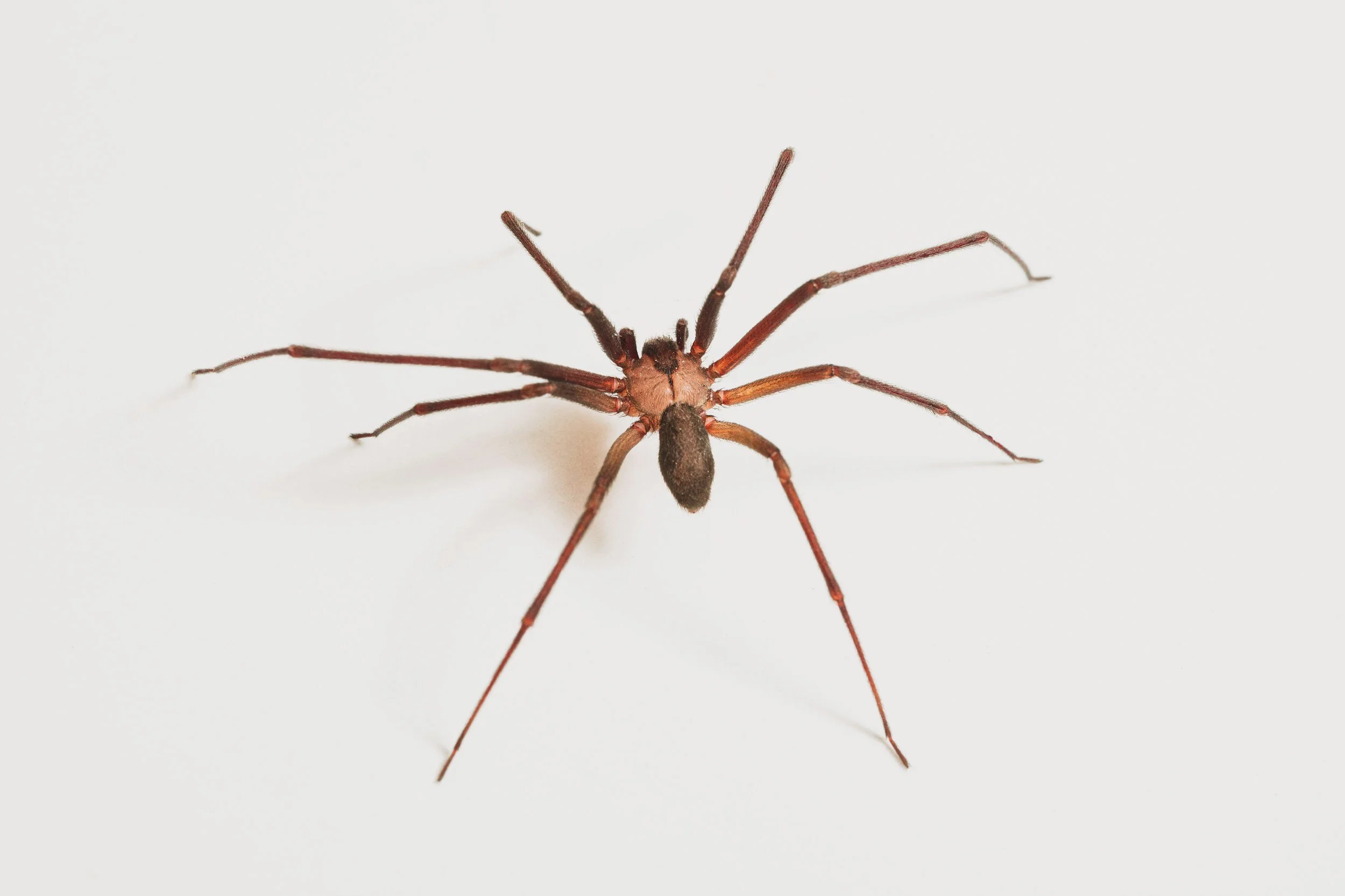
Brown Recluse
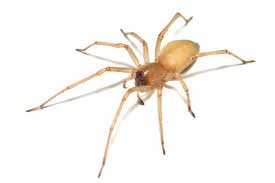
Yellow Sac