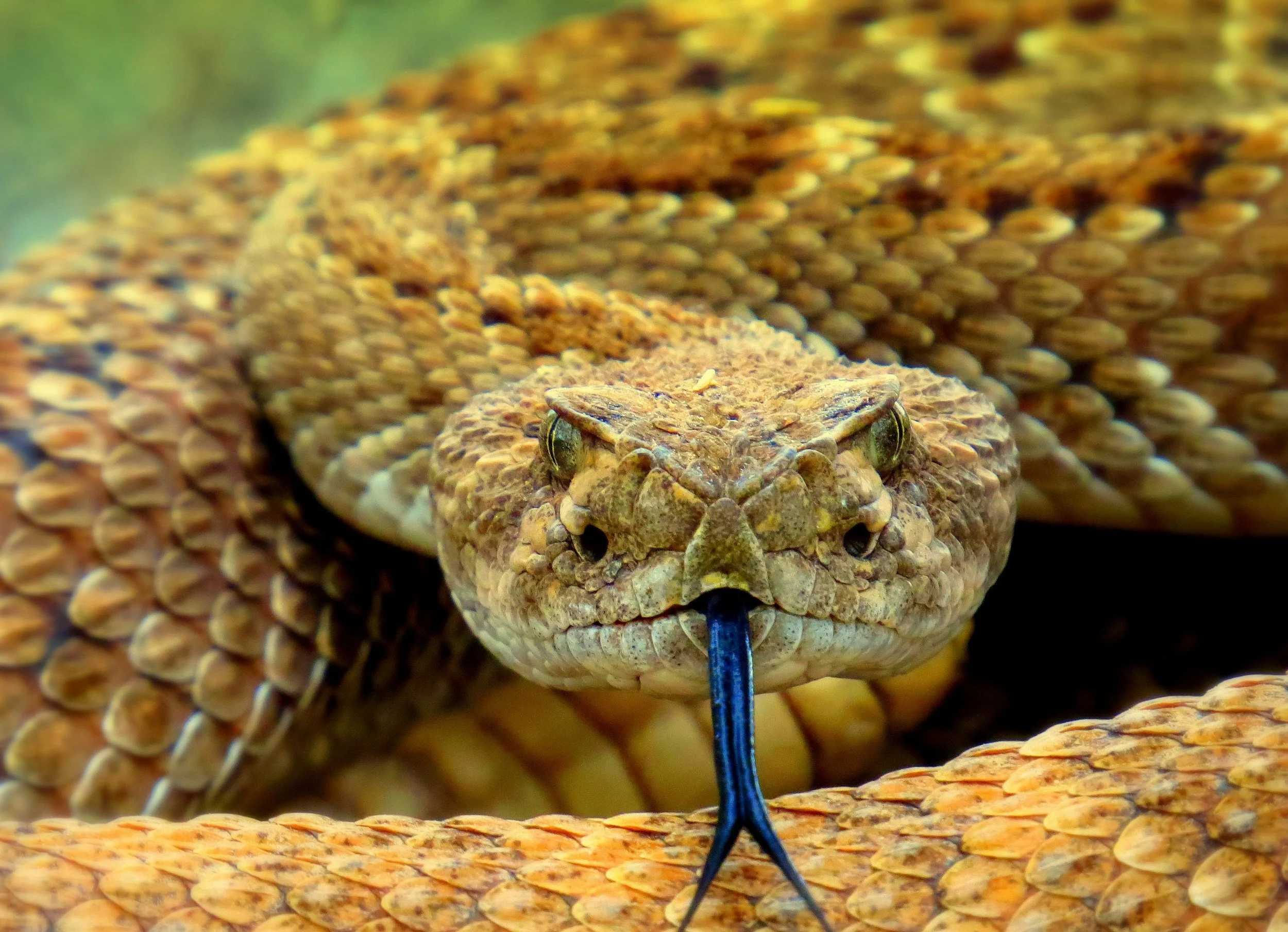
Snakes
MOST COMMON IN AMERICA
Rattlesnake: Found in diverse habitats across America, known for their distinctive rattle sound on their tails when threatened.
Garter Snake: Widely distributed across the country, generally harmless and often found near water sources.
Corn Snake: Non-venomous and frequently found in wooded areas, known for their attractive patterned scales.
Rat Snake: Often mistaken for rattlesnakes, they are non-venomous constrictors found in various environments.
Water Snake: Frequently spotted near water bodies like lakes and streams, they are non-venomous but can be mistaken for more dangerous species.
Black Racer: Fast-moving and agile, these snakes are prevalent in wooded areas and grasslands across the country.
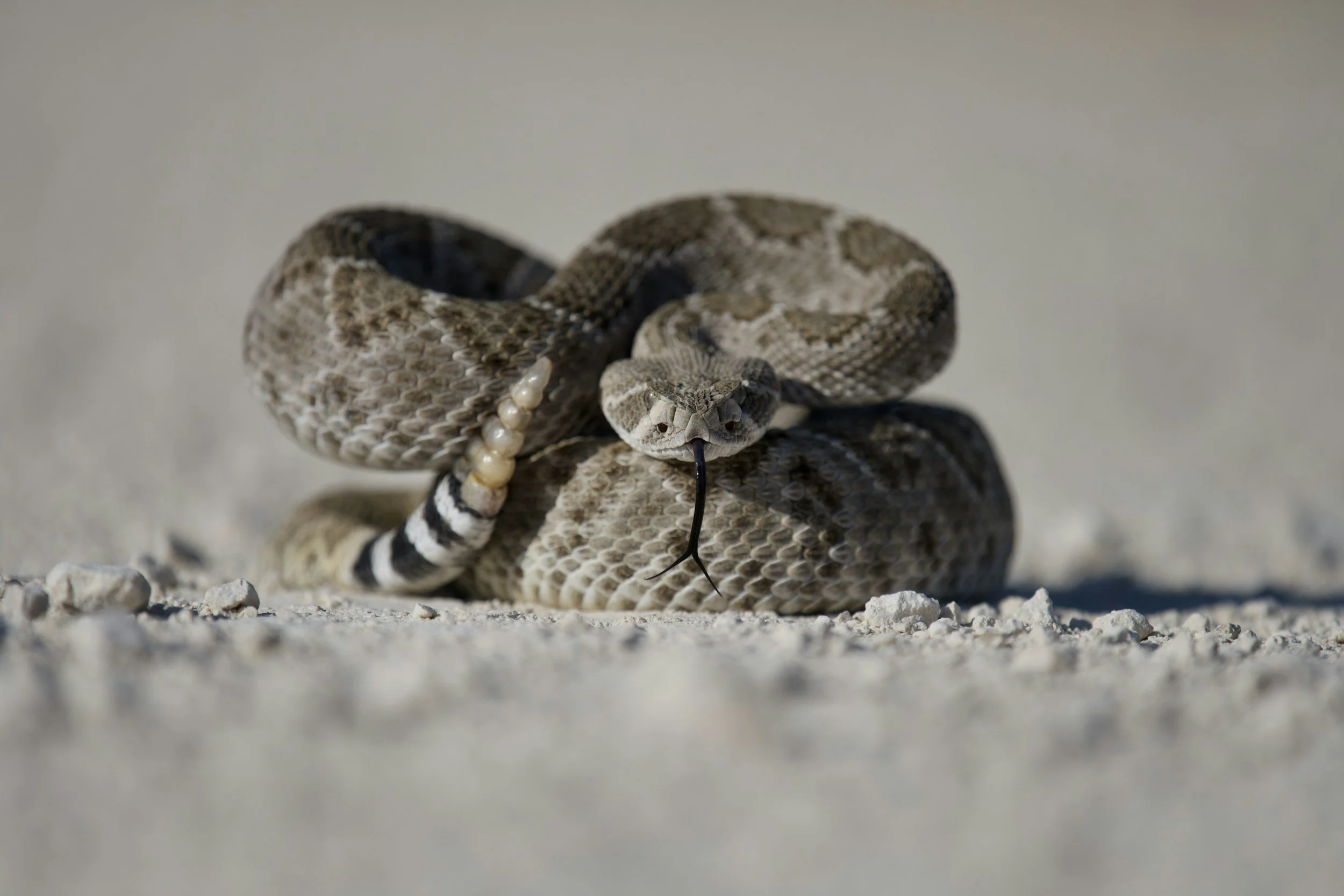
Rattlesnake
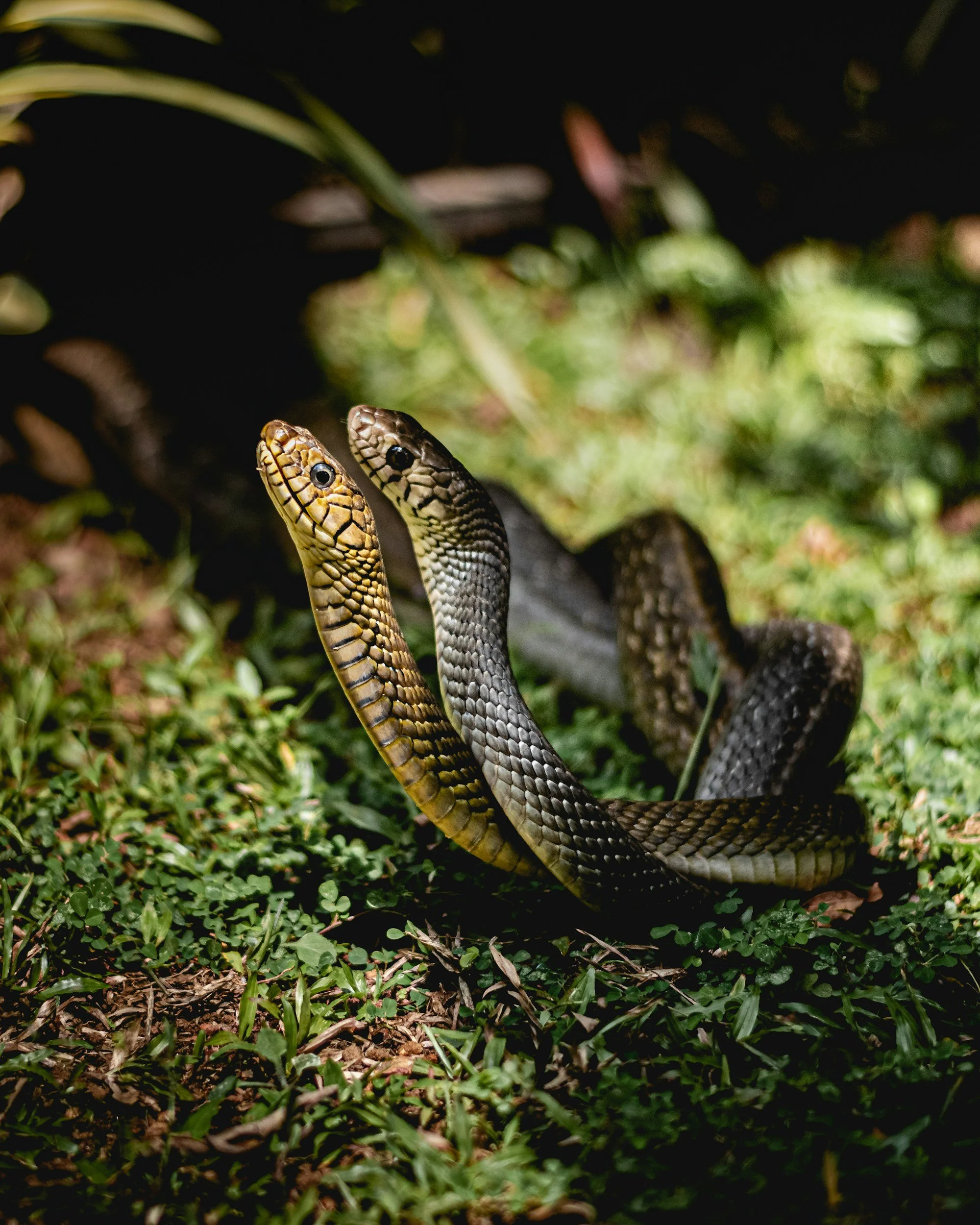
Rat Snake
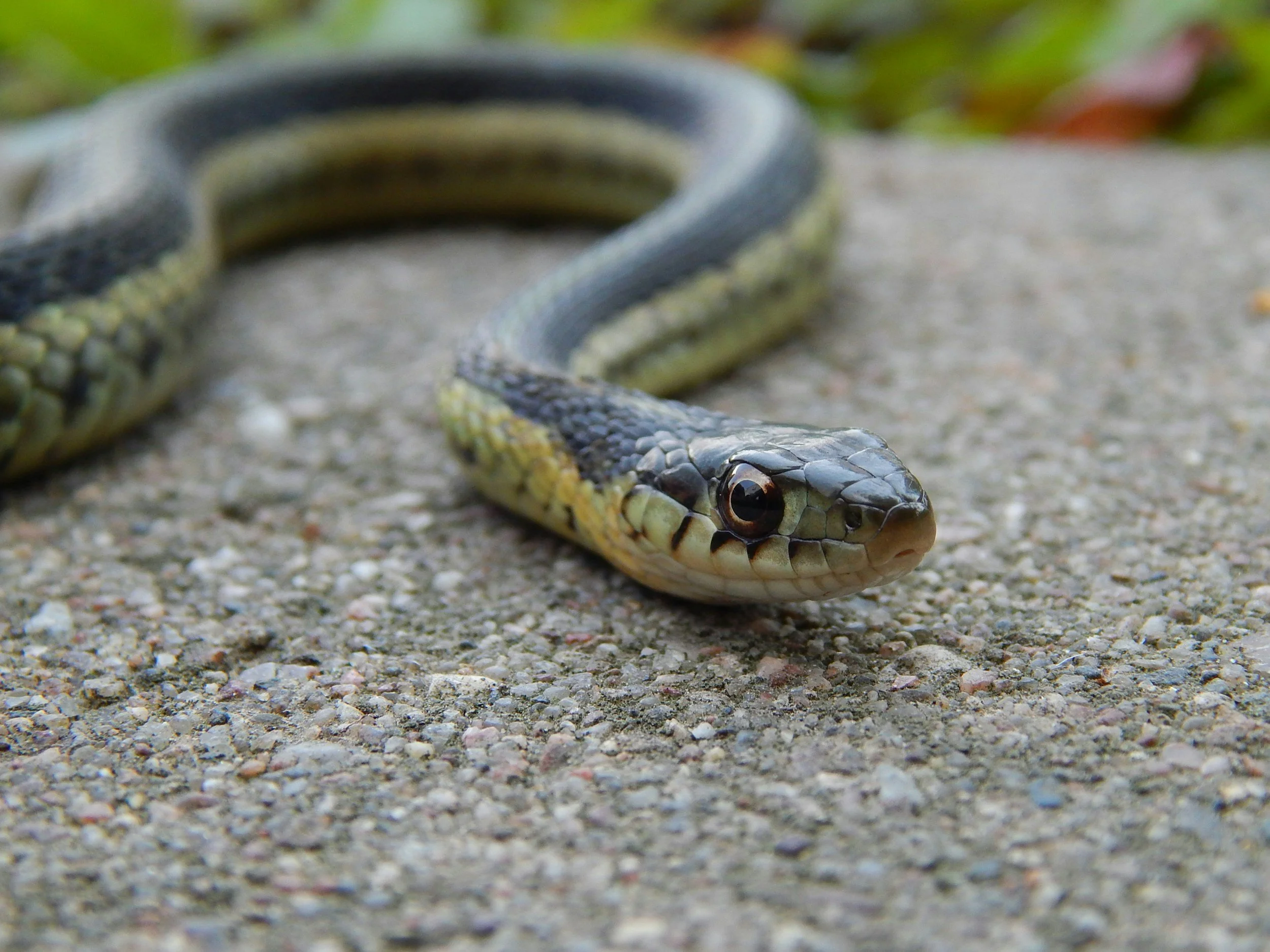
Garter Snake
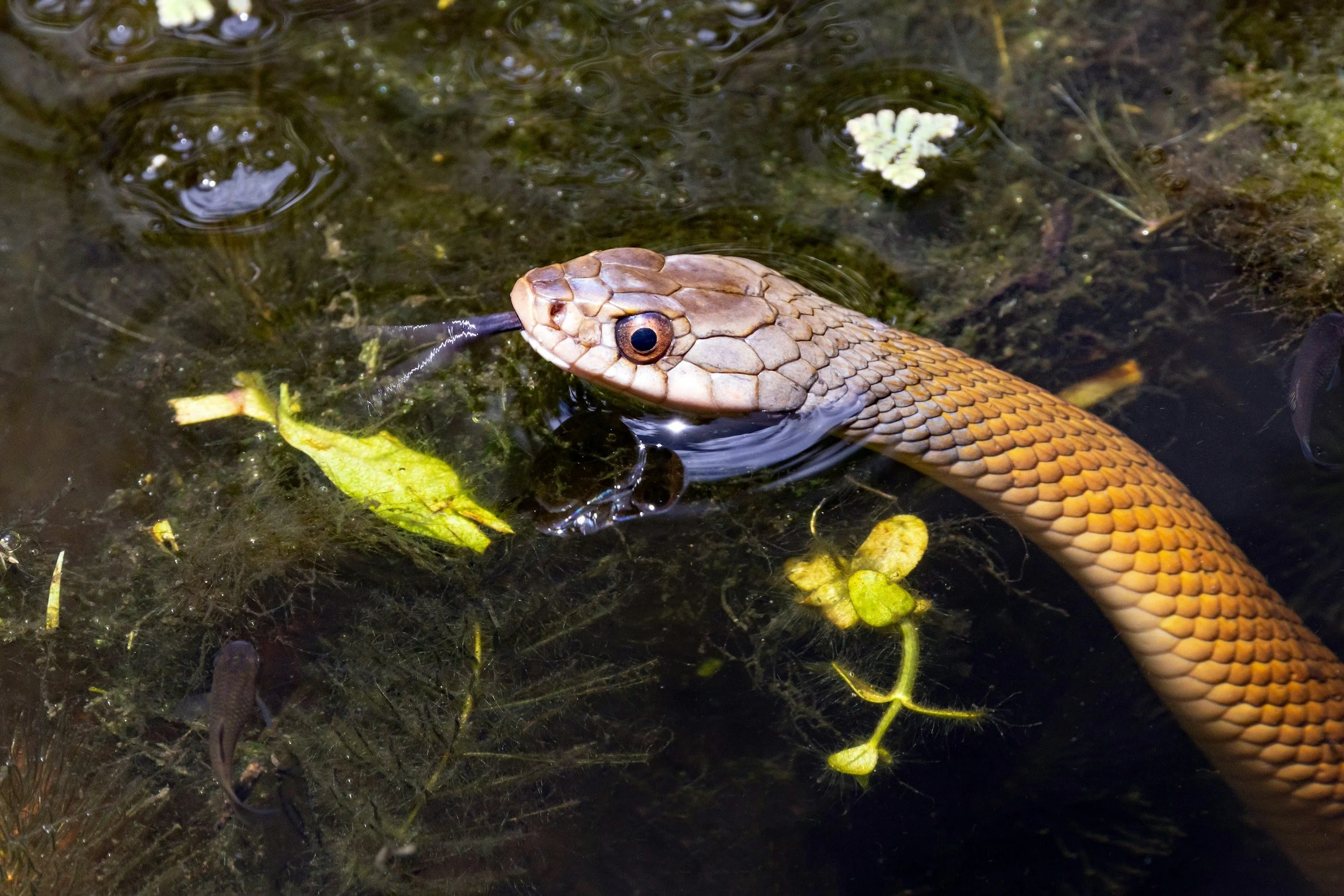
Water Snake
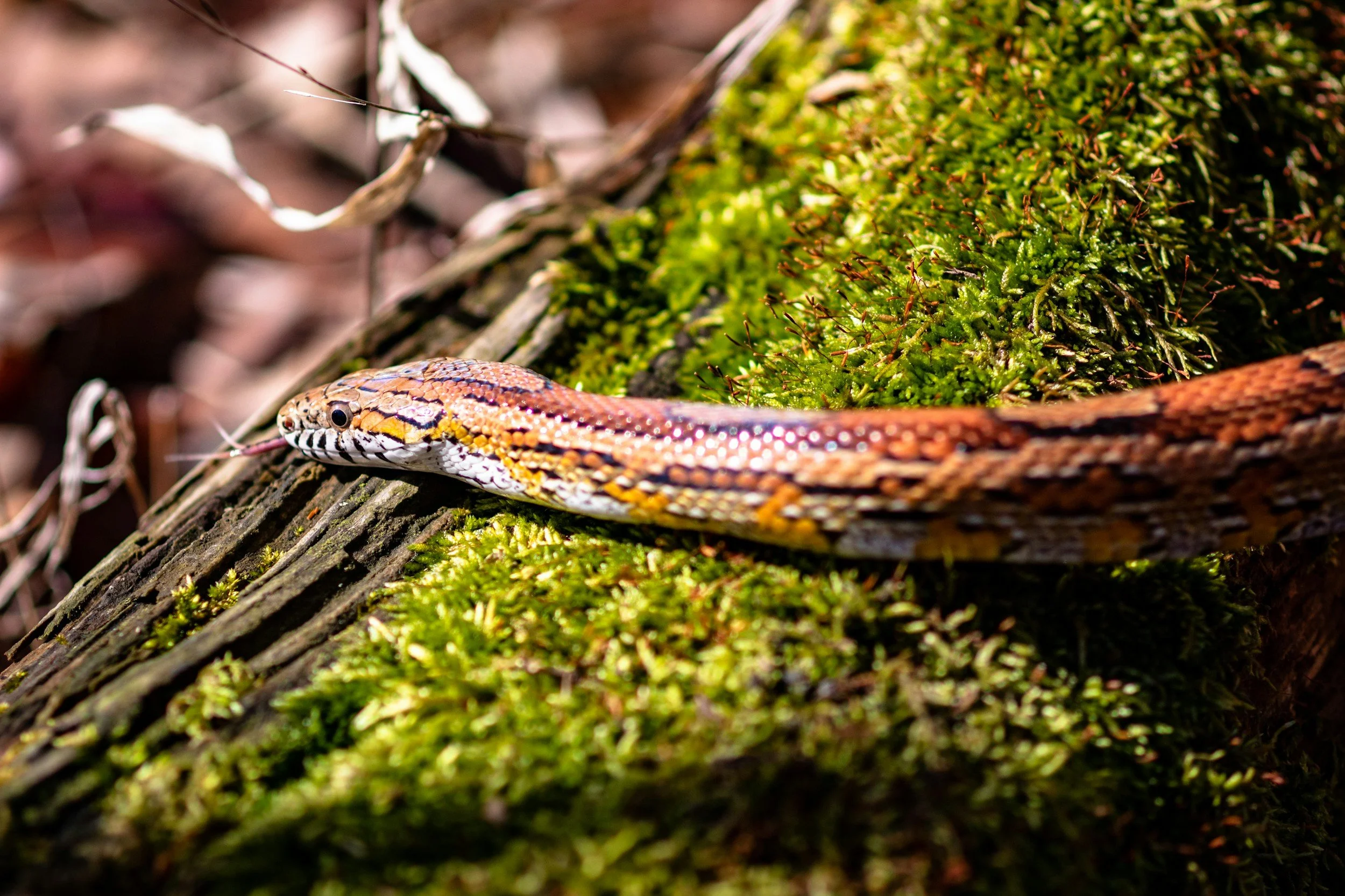
Corn Snake
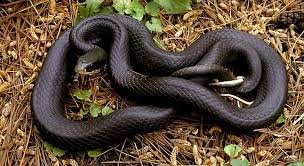
Black Racer
RATTLESNAKES
Rattlesnakes are a venomous species of snake found throughout North and South America. They are easily recognized by the rattle located at the end of their tails, which they shake as a warning signal when feeling threatened. It's important to remember that rattlesnakes play a crucial role in the ecosystem by helping to control rodent populations.
If you encounter a rattlesnake while hiking or camping, it's essential to stay calm and slowly back away to give the snake space to retreat. Never try to provoke or handle a rattlesnake, as their bite can be dangerous and even deadly. It's also advisable to wear sturdy boots and watch where you are stepping, especially in rocky or brushy areas where snakes may be hiding.
In the event of a rattlesnake bite, seek medical attention immediately. Try to keep the affected limb immobilized and at or below heart level while waiting for help to arrive. Do not attempt to suck out the venom or apply a tourniquet, as these methods can do more harm than good.
Remember, prevention is key when it comes to interacting with rattlesnakes. Stay alert, respect their space, and appreciate these fascinating creatures from a safe distance.
Garter Snake
Garter snakes are non-venomous reptiles commonly found throughout North America. They are known for their slender bodies and distinct patterns, which can vary in color from green and black to red and yellow. These snakes are relatively small, usually reaching lengths of about two feet. Garter snakes are active during the day and are often found near water sources as they feed on amphibians, insects, and small fish. They play a vital role in controlling pest populations in their habitats. If encountered, garter snakes are typically docile and harmless to humans, but they may release a foul-smelling musk as a defense mechanism.
CORN SNAKE
The corn snake (Pantherophis guttatus) is a popular choice among reptile enthusiasts due to its docile nature, vibrant colors, and manageable size. These non-venomous constrictors are native to the southeastern United States and are often found in cornfields, hence their name.
Corn snakes come in a variety of colors and patterns, known as morphs, which are selectively bred for their unique appearances. They typically reach lengths of 3 to 5 feet and have a lifespan of 15 to 20 years in captivity when provided with proper care.
As nocturnal hunters, corn snakes primarily feed on small rodents, making them valuable pest control allies. When kept as pets, they require a secure enclosure with hiding spots, a heat source, and a water dish for staying hydrated.
Due to their gentle disposition and relative ease of care, corn snakes are excellent entry-level reptiles for beginners looking to start a reptile-keeping hobby.
RAT SNAKE
Rat snakes are non-venomous constrictors found throughout North America. They are proficient hunters and primarily feed on rodents, birds, and eggs. Rat snakes are essential in controlling rodent populations, making them beneficial to have in outdoor spaces. These snakes are relatively docile and rarely pose a threat to humans. If encountered, it is best to observe them from a distance and allow them to continue their natural pest control activities.
WATER SNAKE
Water snakes are non-venomous reptiles commonly found near lakes, rivers, and streams across the United States. They are excellent swimmers and can often be seen basking on rocks or tree branches near bodies of water. Water snakes primarily feed on fish, frogs, and small mammals, using their keen sense of smell to locate prey. While they may resemble venomous snakes like the cottonmouth, water snakes have round pupils and lack heat-sensing pits.
If you encounter a water snake in the wild, it is best to observe from a distance and avoid provoking or handling them. Despite their harmless nature, water snakes may defend themselves if they feel threatened. Remember, these creatures play a vital role in controlling fish and amphibian populations in their ecosystems.
BLACK RACER
The black racer snake (Coluber constrictor) is a common species found throughout the United States. Known for its speed and agility, this non-venomous snake can move swiftly to catch its prey, which mainly consists of small rodents, birds, and insects. With its sleek black coloration, the black racer snake blends well into its surroundings, making it a proficient predator in its ecosystem. While encountering a black racer snake can be startling due to its quick movements, it is important to remember that they play a crucial role in controlling populations of pests in their habitats.