SALMON
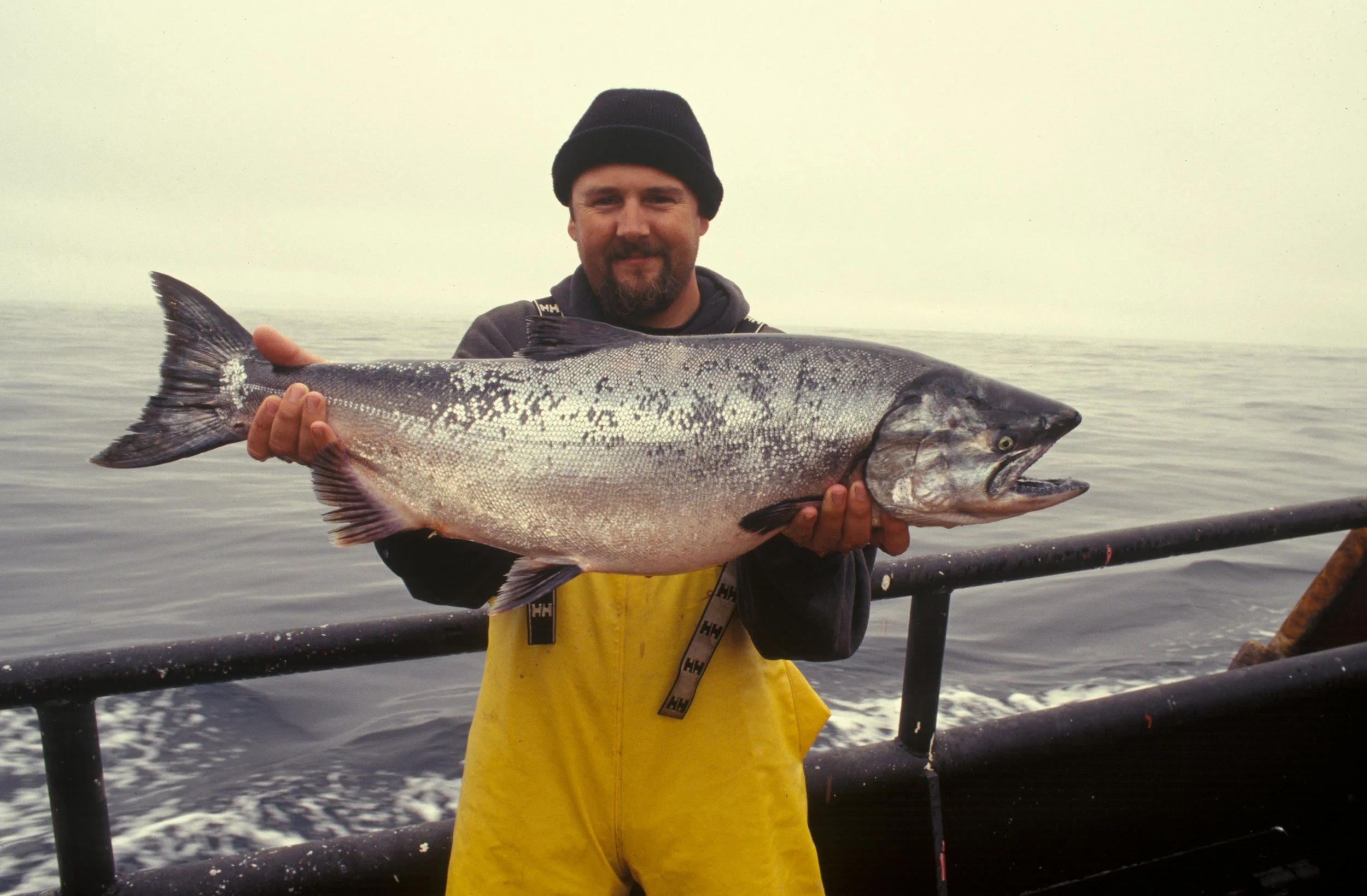
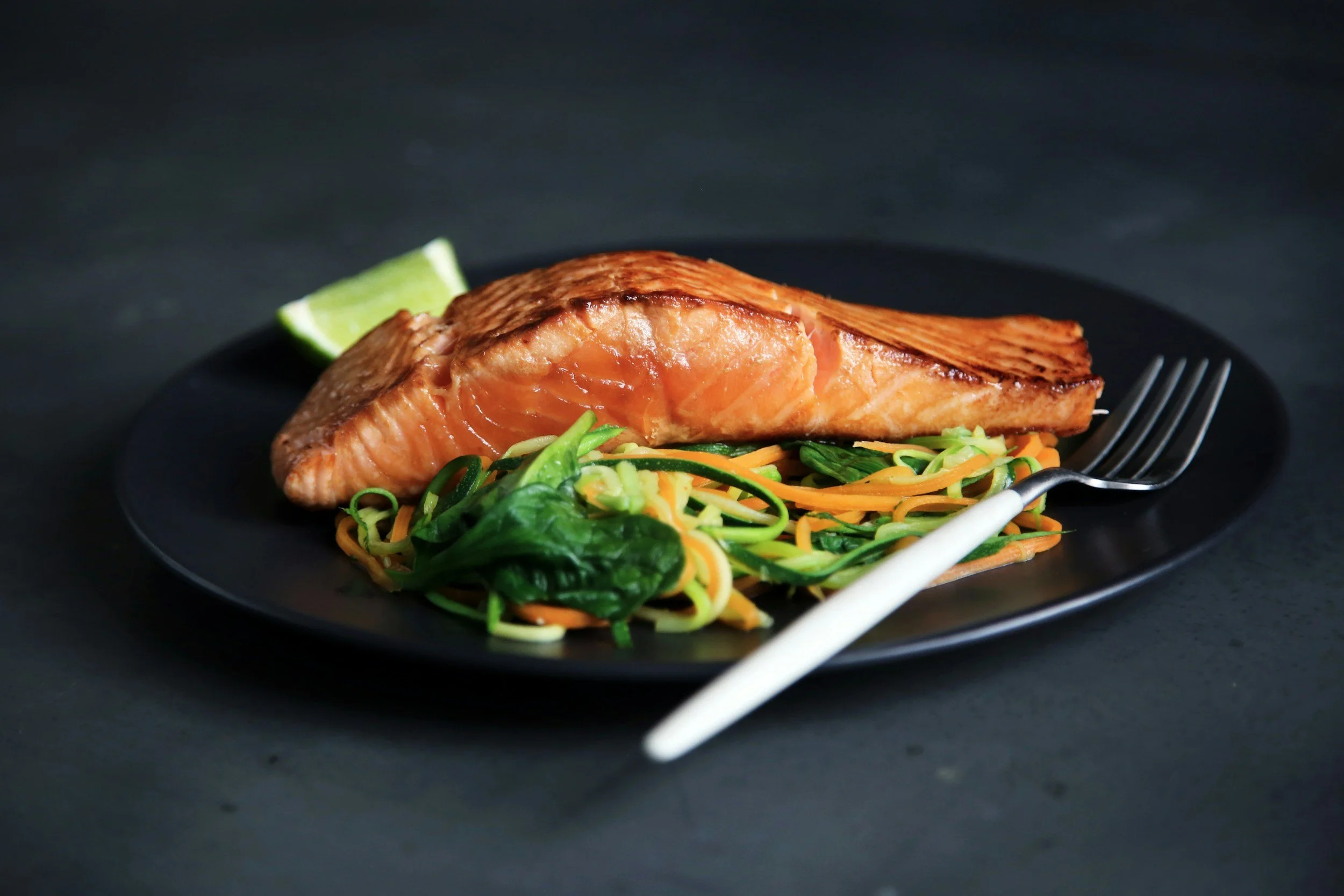
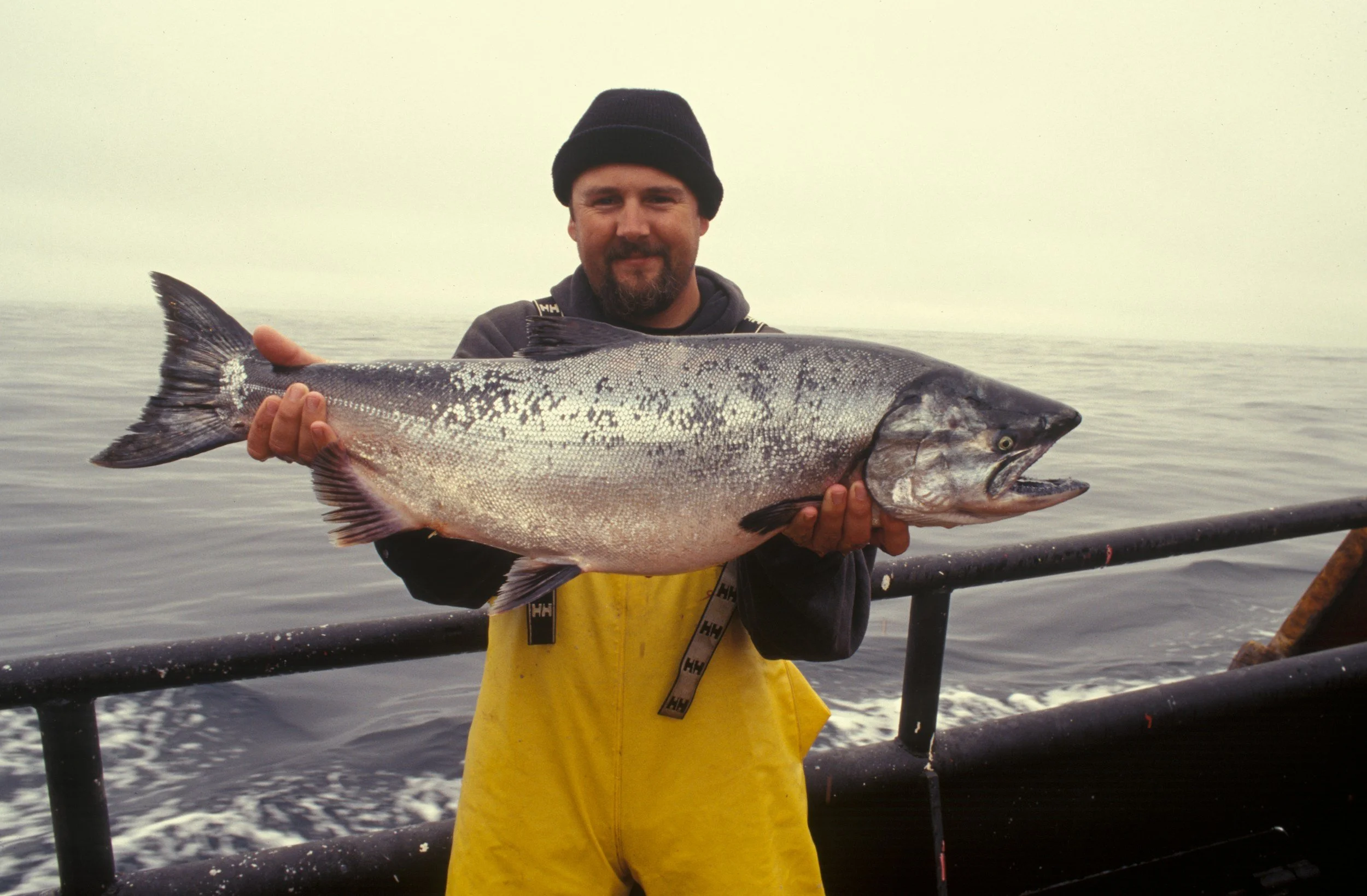
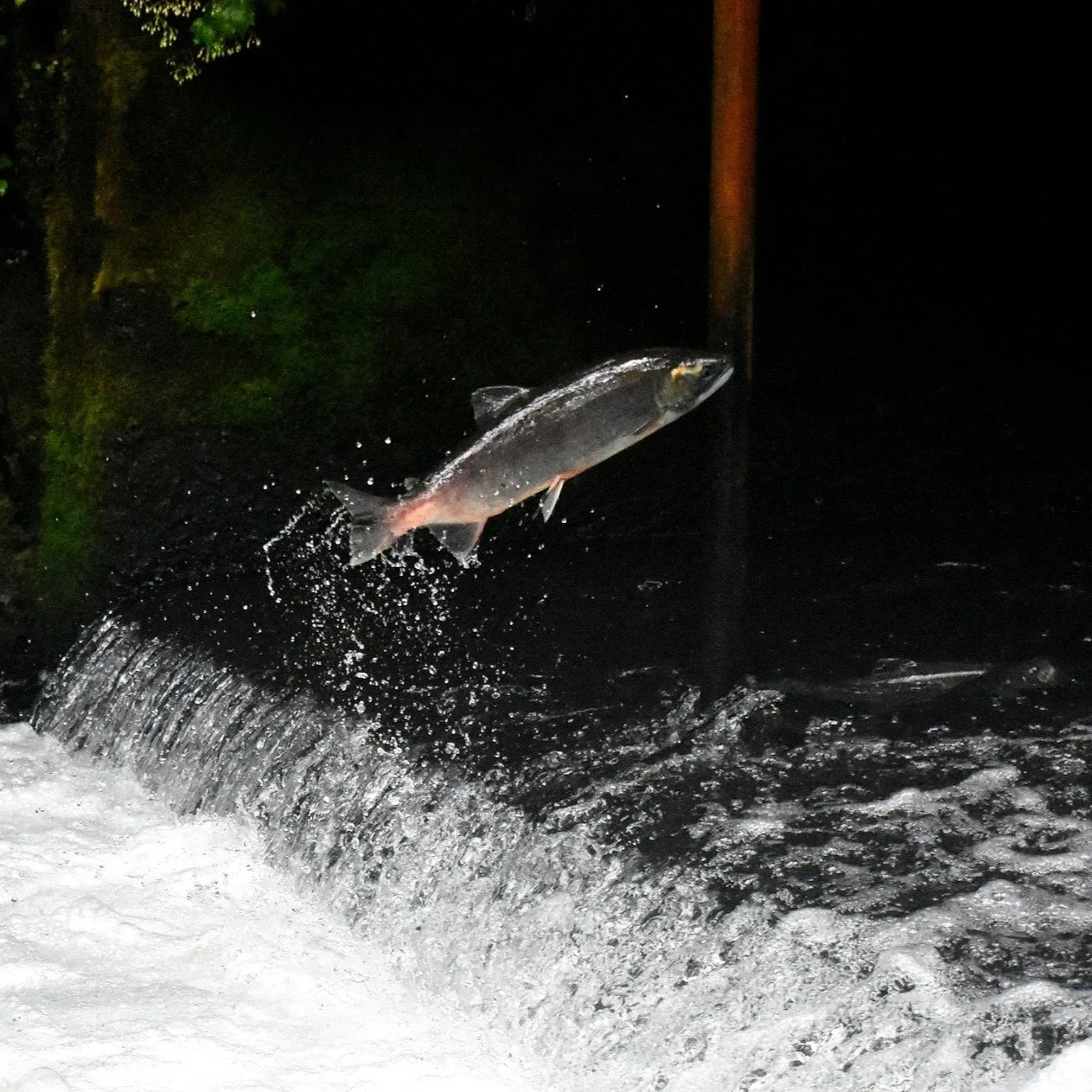
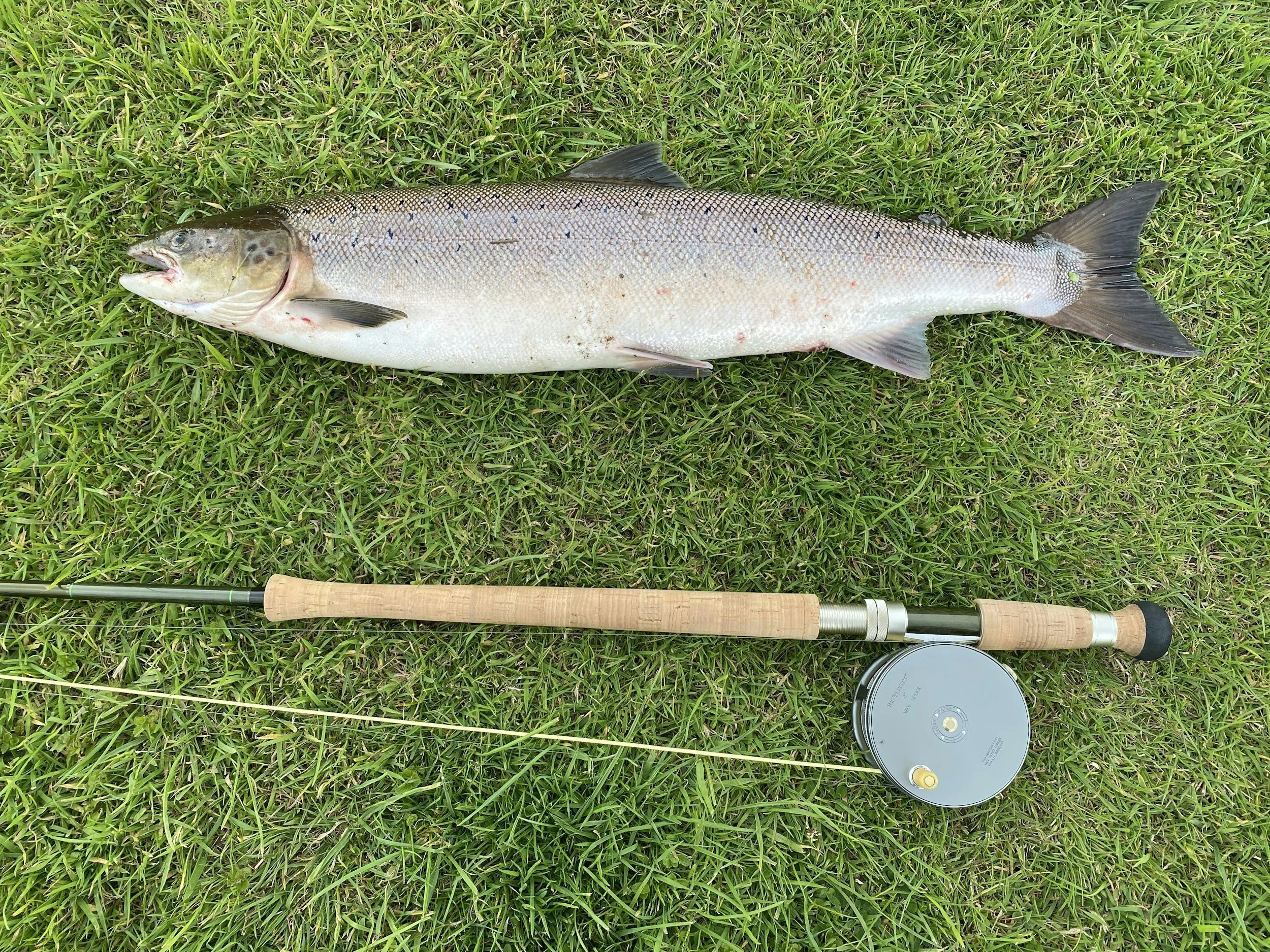
Salmon are anadromous fish, meaning they are born in freshwater, travel to the ocean to mature, and then return to freshwater to spawn. They are found in the North Atlantic and Pacific Oceans and some surrounding seas. There are several species of salmon, including Chinook, Sockeye, Coho, Chum, and Pink. These fish are known for their silver skin, which turns red as they migrate upstream to breed. Salmon are prized for their rich flavor, high protein content, and Omega-3 fatty acids, making them popular in culinary dishes and a sought-after catch for anglers worldwide.
HOW TO CATCH
Tips on How to Catch Salmon:
Research the best salmon fishing spots in your area, considering factors like time of year, water temperature, and the presence of other fish that salmon feed on.
Use the right gear such as a medium to heavy rod, quality fishing reel, strong fishing line, and appropriate hooks and lures for salmon.
Consider using live bait like herring or anchovies, or artificial lures that mimic the movement of baitfish.
Pay attention to the weather and water conditions, as salmon are more likely to bite during overcast days or when the water is slightly murky.
Practice proper casting techniques and be patient when waiting for a salmon to bite.
Once you feel a bite, set the hook firmly and be prepared for a strong fight as salmon are known for their powerful runs.
Use a landing net to safely bring in the salmon once you have successfully reeled it in.
Familiarize yourself with local regulations on salmon fishing, including size limits, catch limits, and any seasonal restrictions.
Consider joining a guided salmon fishing trip or seeking advice from experienced anglers to improve your chances of a successful catch.
Remember to respect the environment and practice catch-and-release whenever possible to help maintain sustainable salmon populations for future generations.
HOW TO FILET
How to Filet Salmon While at Camp
Start by placing the salmon on a clean and flat surface. Make sure you have a sharp knife, cutting board, and a receptacle for the fillets.
Locate the salmon's ventral side (belly) and dorsal side (back). Position the fish with the ventral side facing up.
With your sharp knife, make a small incision behind the pectoral fin and cut diagonally towards the head, following the contours close to the dorsal fin.
Continue the incision along the top of the fish, towards the head, until you reach the gills. Avoid cutting into the belly or intestines.
Next, turn the salmon over so the dorsal side is facing up. Make a small cut behind the gills and insert your knife to separate the fillet from the backbone. Use long, smooth strokes to glide along the ribs.
Once you've separated the fillet from the backbone, flip the fish back over to access the ventral side. Repeat the same cutting process to remove the second fillet.
Inspect both fillets for any remaining bones or scales. Use tweezers to remove any bones you encounter.
Rinse the fillets with clean water to remove any debris or blood.
Your salmon fillets are now ready to be cooked or stored for later use. Enjoy your freshly filleted salmon at your campsite!
HOW TO COOK
How to Cook Salmon at Camp with Minimal Ingredients
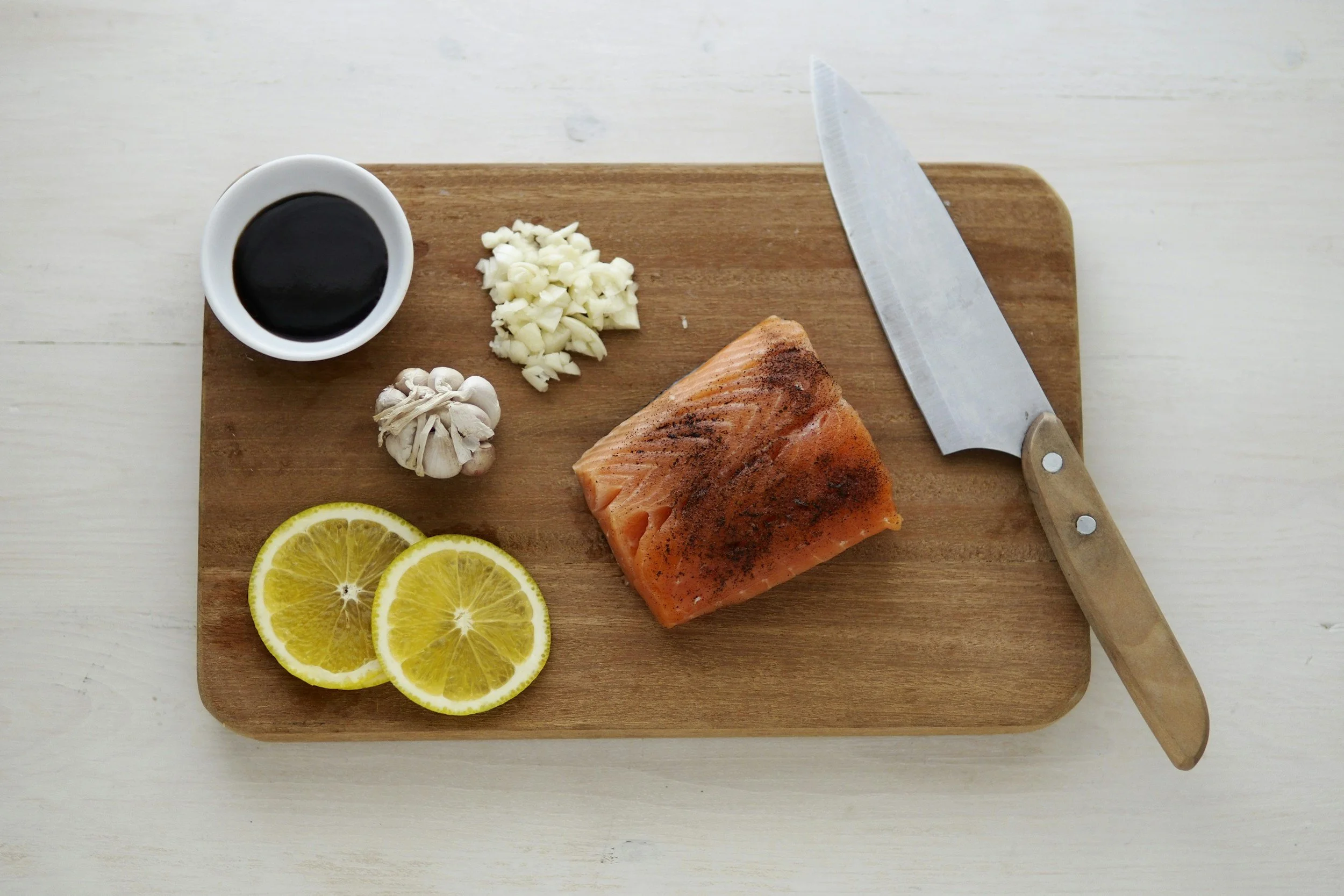
To cook salmon at camp with minimal ingredients, you will need the following:
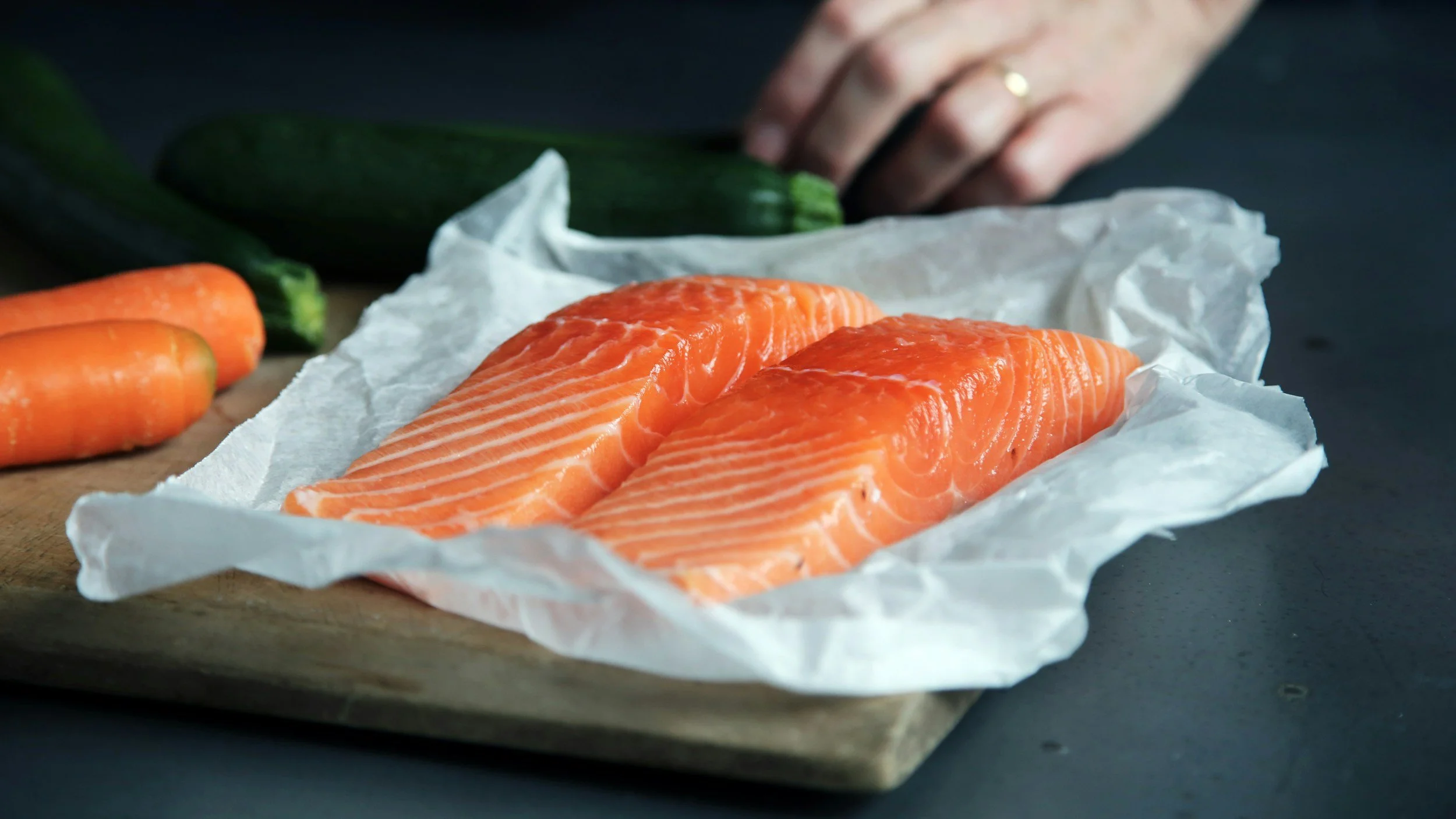
Salmon fillet
Aluminum foil
Lemon
Salt
Pepper
Herbs (optional)
Follow these steps:
Prepare the Campfire: Start a campfire and allow it to burn down to hot coals.
Season the Salmon: Place the salmon fillet on a piece of aluminum foil. Squeeze lemon juice over the salmon and season with salt, pepper, and any herbs you have on hand.
Wrap the Salmon: Fold the aluminum foil around the salmon to create a packet, ensuring it is tightly sealed.
Cook the Salmon: Place the foil packet on a grill or directly onto the hot coals. Cook for about 10-15 minutes, depending on the thickness of the fillet.
Check for Doneness: To check if the salmon is done, carefully open the foil packet and look for opaque flesh that flakes easily with a fork.
Serve: Once the salmon is cooked, carefully remove it from the foil packet and serve hot.
Enjoy your delicious and minimalistic campfire-cooked salmon!