OUTDOOR
OUTDOOR GARDENS
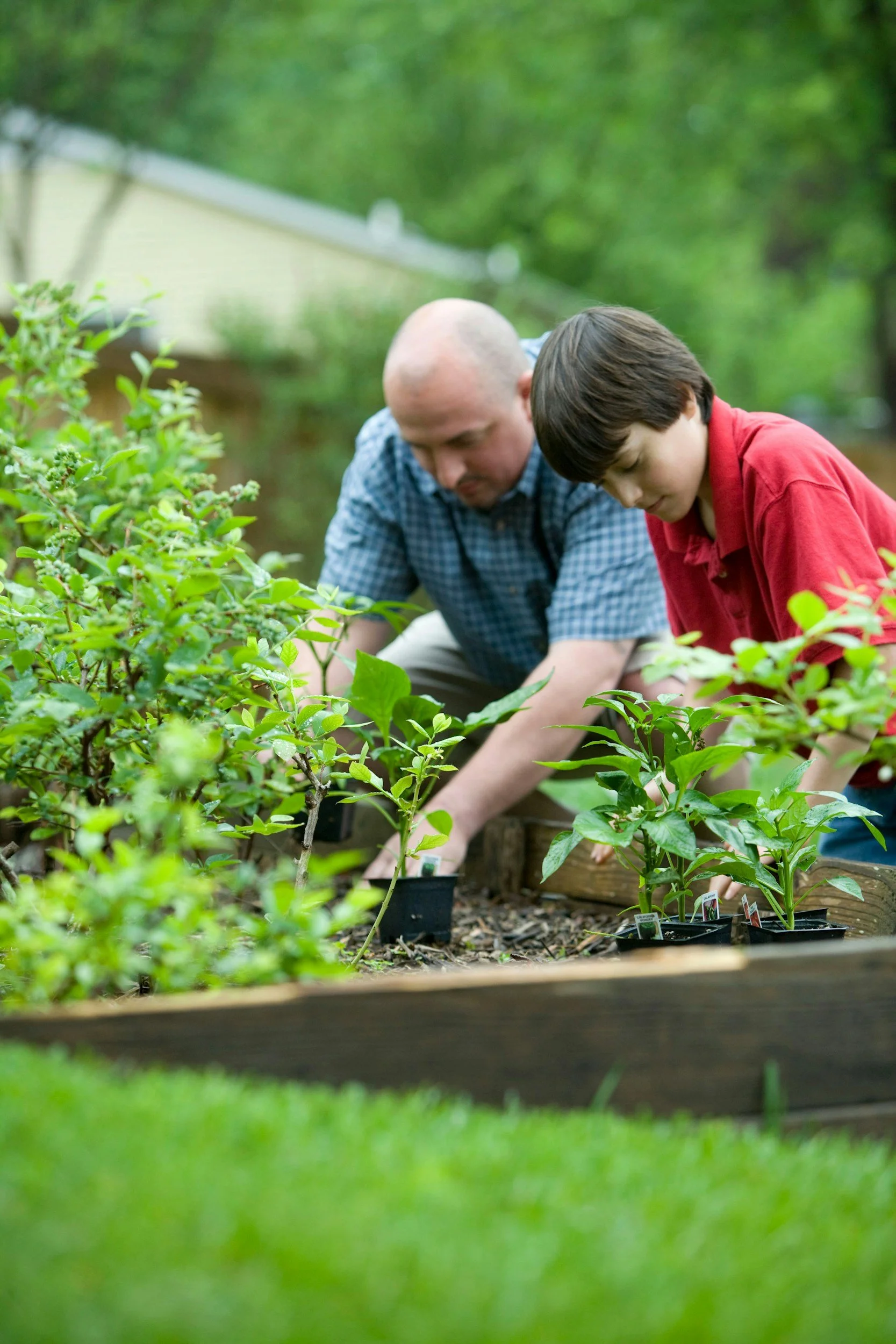
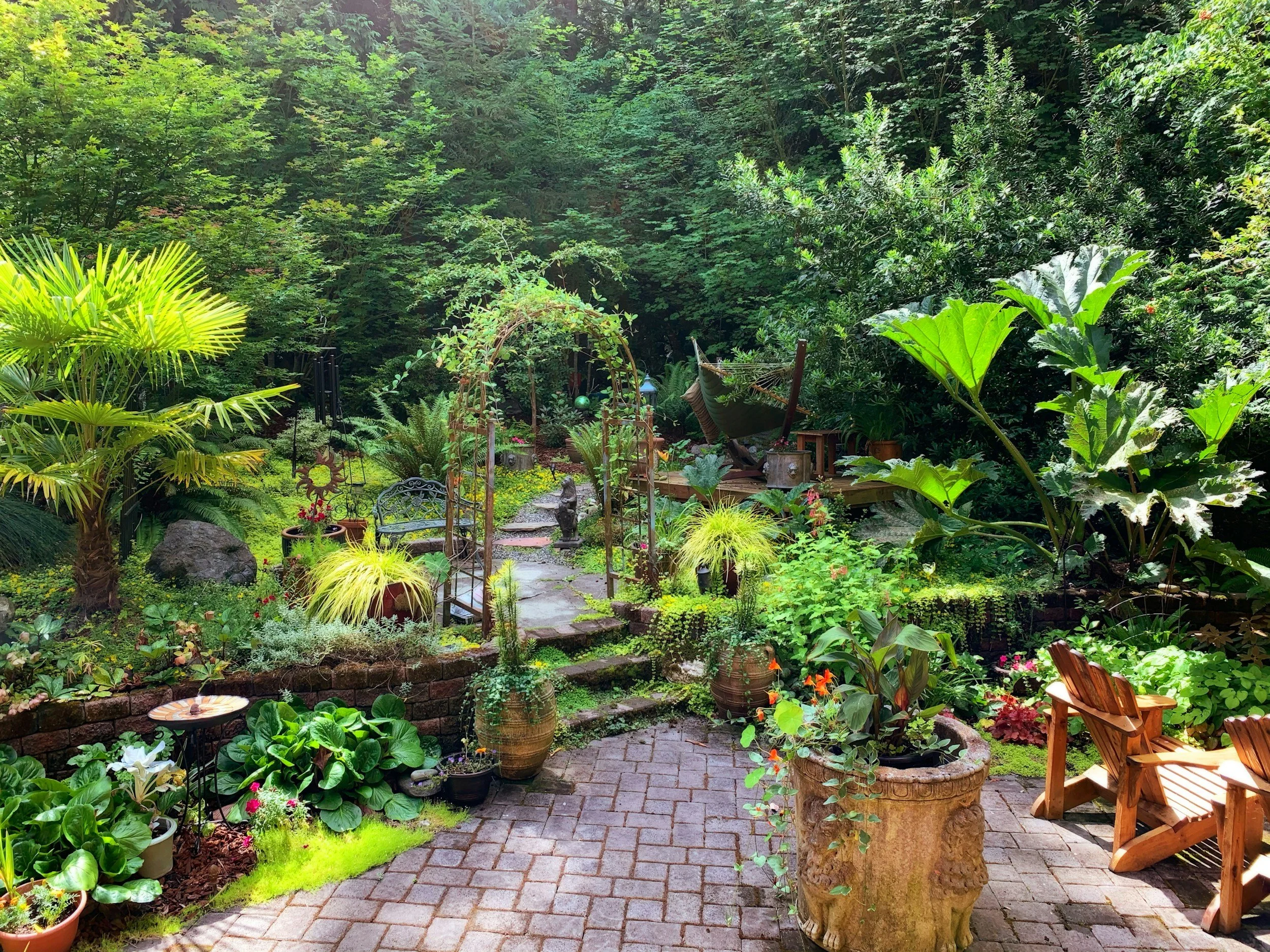
Gardening outdoors is not just a hobby but a therapeutic and rewarding activity that everyone should consider taking up. Working with the soil, planting seeds, and watching them grow into beautiful plants can be a deeply satisfying experience. Gardening also allows us to connect with nature, reduce stress, and promote physical activity. Moreover, growing our own vegetables and herbs can lead to healthier eating habits and reduce our carbon footprint by decreasing reliance on store-bought produce. Overall, gardening outdoors benefits both individuals and the environment, making it an important practice for all to embrace.
WHERE TO START
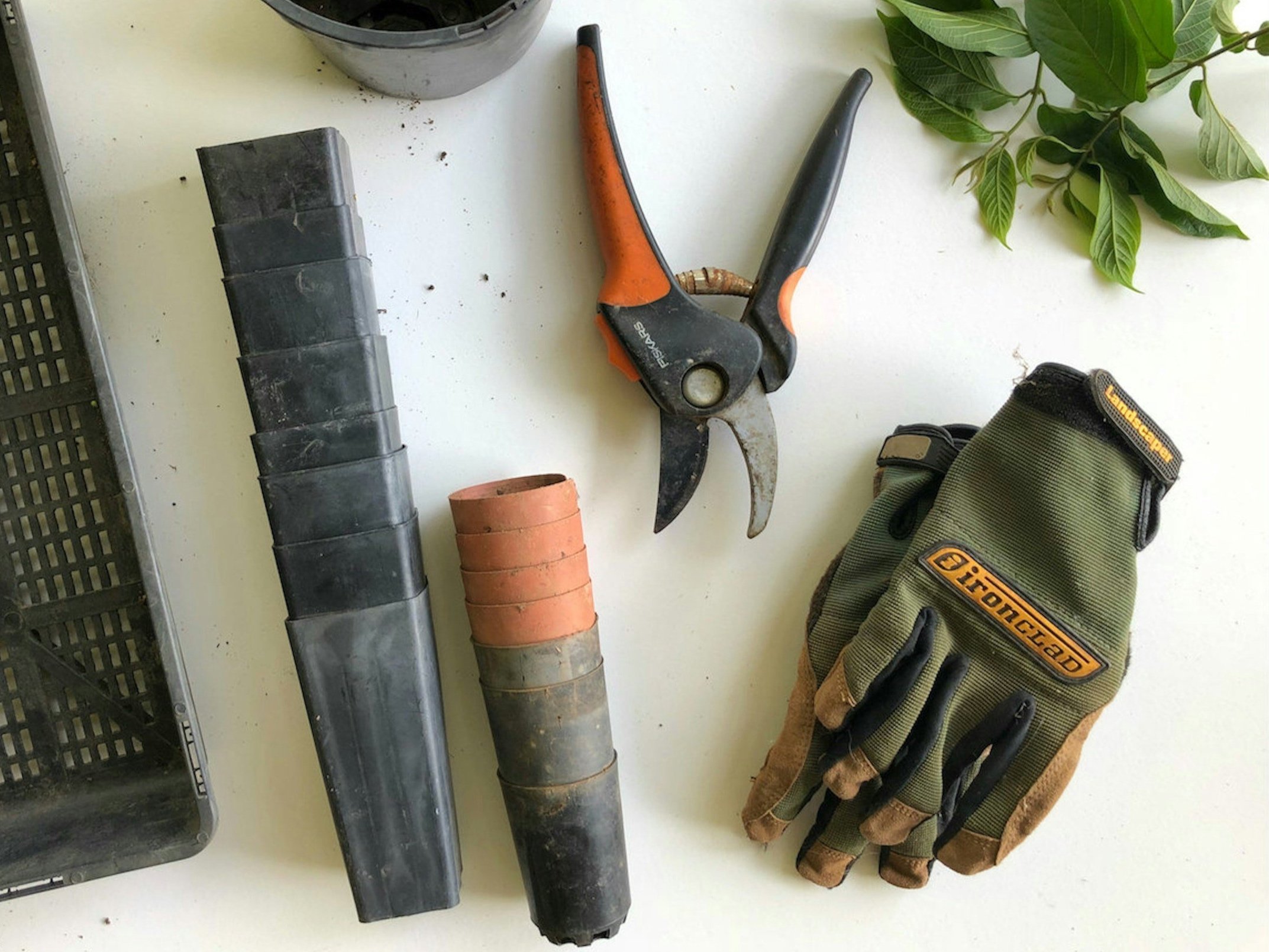
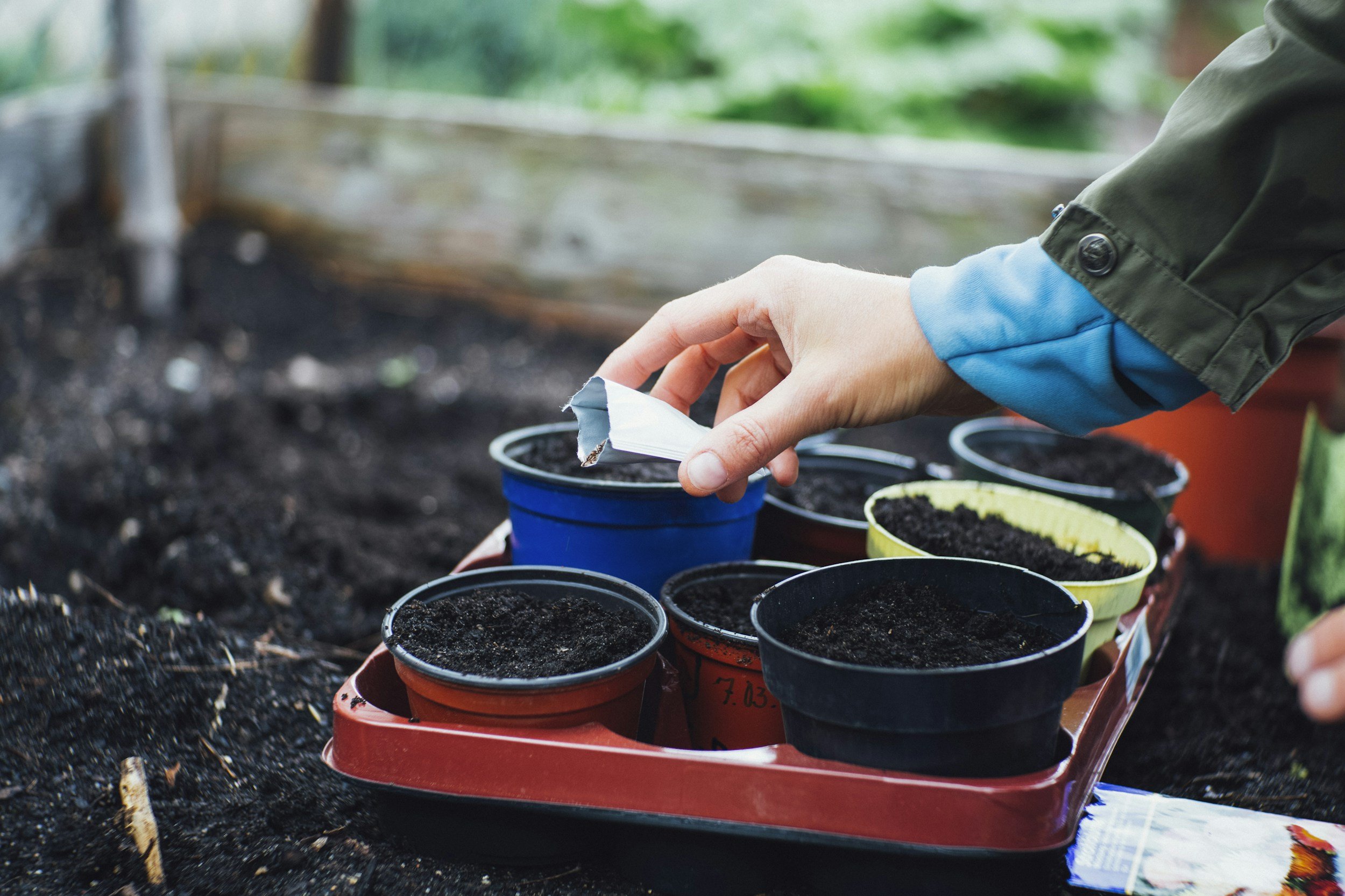
Before starting a garden, a beginner gardener will need several essential materials to ensure a successful growing experience. These include gardening gloves to protect hands from dirt and sharp objects, a trowel for planting and transplanting, a watering can or hose for watering plants, a garden fork for turning soil, and pruning shears for trimming plants. Additionally, beginners will need potting mix or soil for planting in containers, seeds or seedlings for growing plants, and fertilizers to provide essential nutrients for healthy plant growth. By having these basic materials on hand, beginner gardeners can kickstart their gardening journey with the right tools for the job.
WHAT PLANTS YOU SHOULD GET
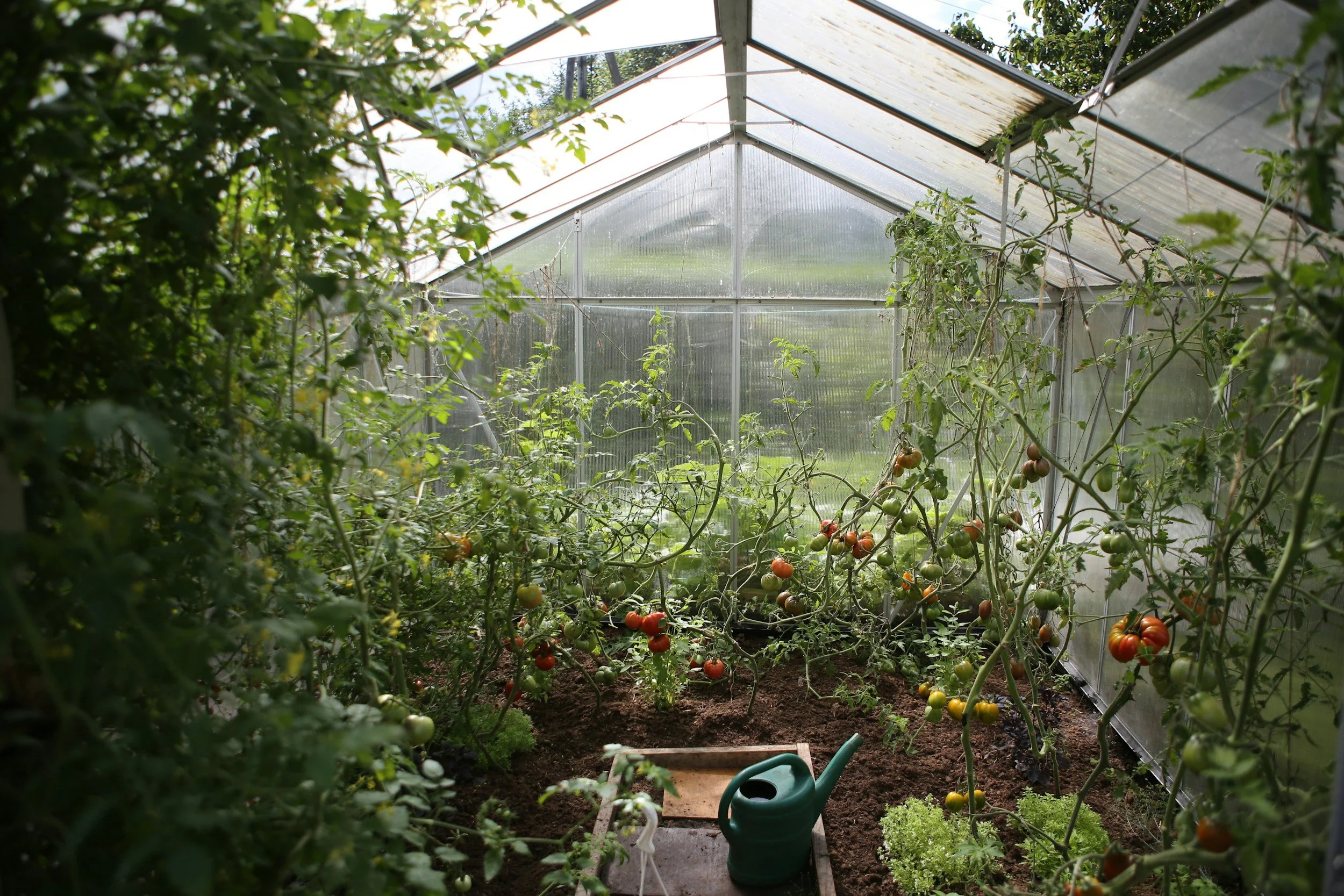
When starting a garden, it's essential to choose plants that are easy to care for and suitable for beginners. Here are the top 10 plants ideal for novice outdoor gardeners:
1. Basil - a fragrant herb great for cooking.
2. Marigolds - colorful flowers that deter pests.
3. Succulents - low-maintenance plants needing minimal water. 4. Lavender - aromatic and drought-tolerant herb.
5. Tomatoes - popular veggies that thrive in sunny spots.
6. Zinnias - vibrant flowers that attract butterflies.
7. Mint - rapidly growing herb perfect for container gardening.
8. Sunflowers - easy-to-grow plants adding a touch of whimsy.
9. Chives - versatile herbs with a mild onion flavor.
10. Daylilies - resilient flowers requiring little attention.
These plants are great choices for those new to gardening, offering a rewarding experience with minimal stress. Happy planting!
POTS
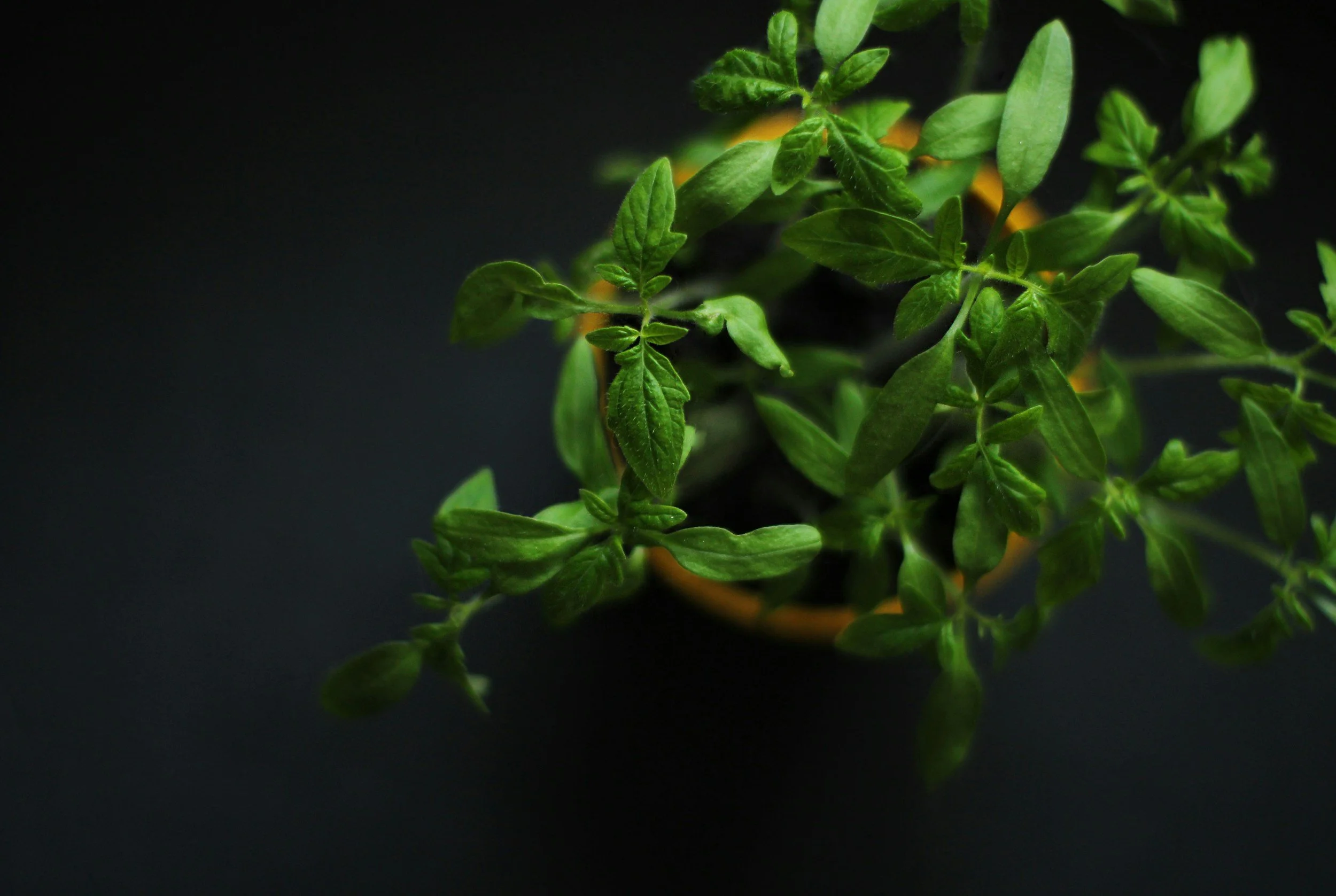
When choosing pots for an outdoor garden as a beginner, consider the size of the plant you intend to grow. Ensure the pot has enough depth and width to accommodate the plant's roots as it grows. Look for pots made from durable materials like plastic, terracotta, or wood that can withstand outdoor elements. Ensure the pot has drainage holes at the bottom to prevent waterlogging, which can cause root rot. Consider the style and design of the pot to complement your outdoor space. Choose lightweight pots if you plan to move them around frequently or heavier pots for more stability in windy conditions. Research the specific needs of the plant you are growing to select the most suitable pot for successful gardening.
Soil
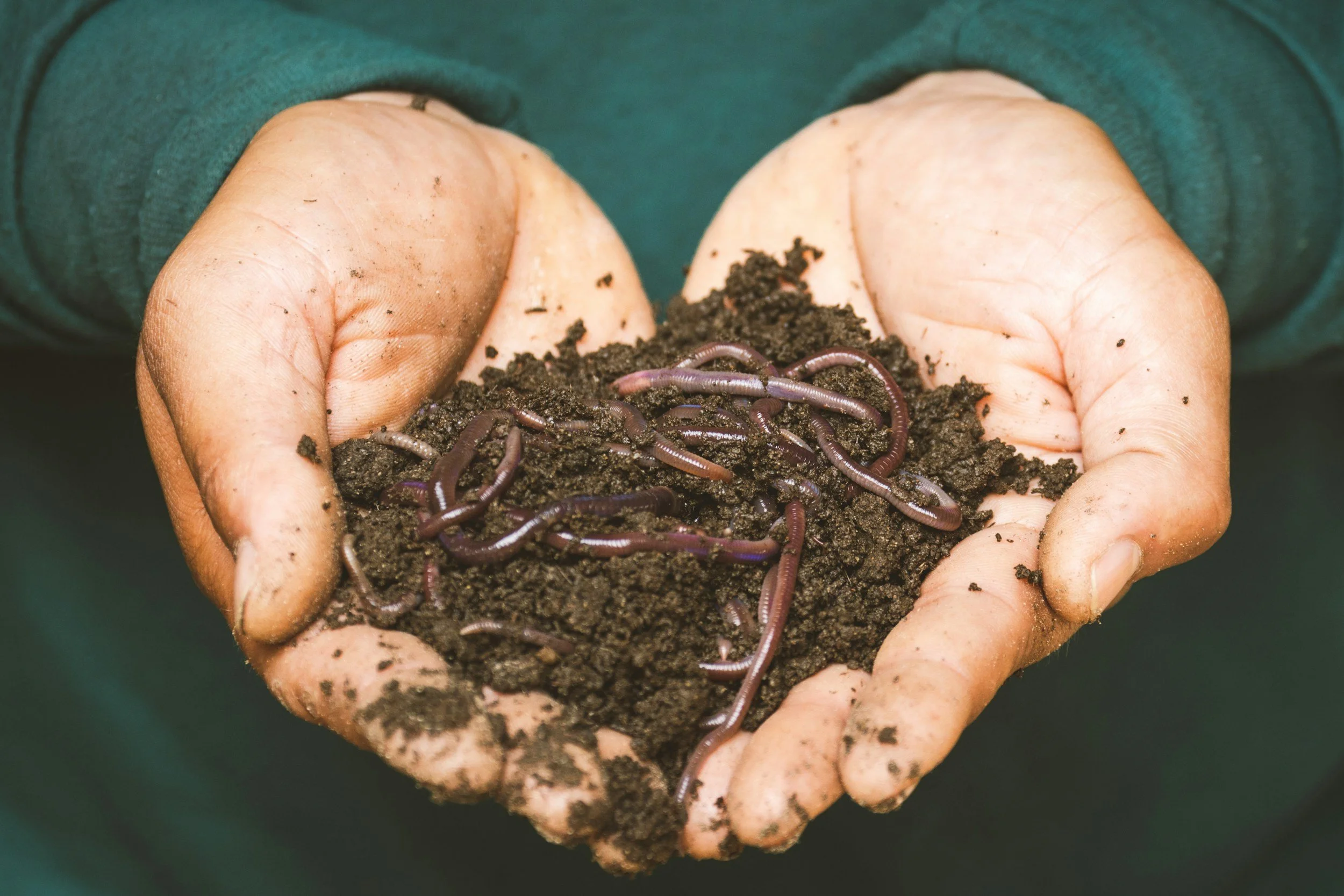
When choosing soil for your garden, beginner gardeners should look for a high-quality potting mix that is well-draining and nutrient-rich. A good potting mix should contain a blend of materials such as peat moss, vermiculite, and perlite to ensure proper aeration and moisture retention for your plants. Avoid using standard garden soil from your yard, as it may not provide the necessary nutrients and drainage for potted plants. Look for potting mixes specifically formulated for different types of plants, such as cacti or vegetables, to meet their specific needs. Remember to regularly fertilize your plants as nutrients in the potting mix can deplete over time with watering and plant growth.
FERTILIZER
Fertilizing your outdoor crops is essential for ensuring healthy growth and optimal yields. By providing necessary nutrients like nitrogen, phosphorus, and potassium, fertilizers support plant development, root strength, and overall resilience to environmental stressors. Proper fertilization promotes vibrant foliage, robust root systems, and bountiful harvests. It is crucial to select the right type of fertilizer, whether organic or synthetic, based on the specific needs of your crops and soil composition. Regularly fertilizing your outdoor crops in accordance with recommended guidelines can make a significant difference in the health and productivity of your garden.
PROPOGATION
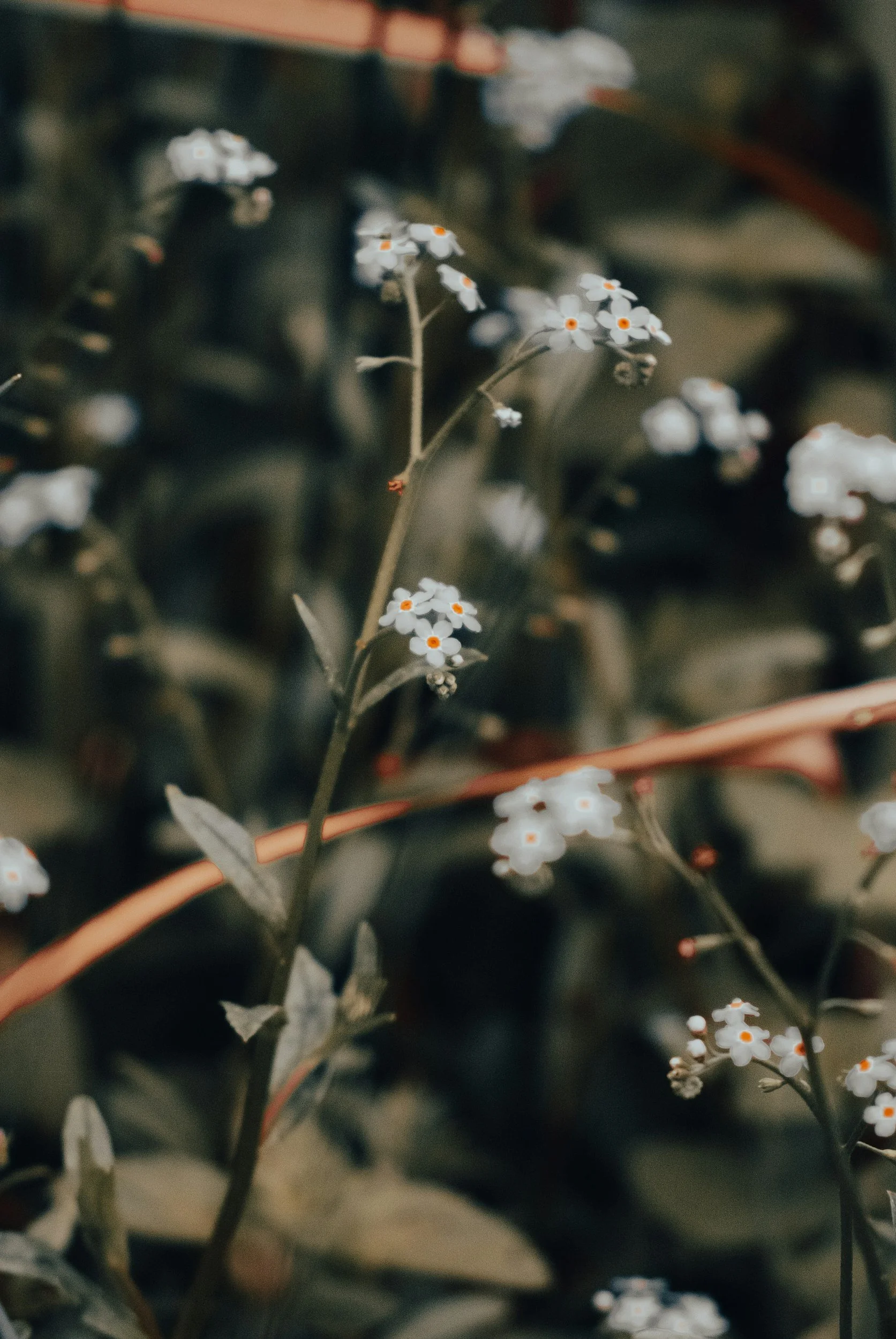
To propagate most common outdoor plants, you can use methods like division, cuttings, layering, or seeds. Division involves separating a plant into smaller sections, each with roots attached. Cuttings require snipping a healthy portion of a plant and encouraging it to grow roots in water or soil. Layering involves burying a plant stem while it's still attached to the parent plant until roots form. Lastly, growing plants from seeds involves collecting and planting mature seeds in appropriate soil and conditions. Remember to research specific plant needs for best propagation results.
MOST COMMON PESTS
EXAMINATION
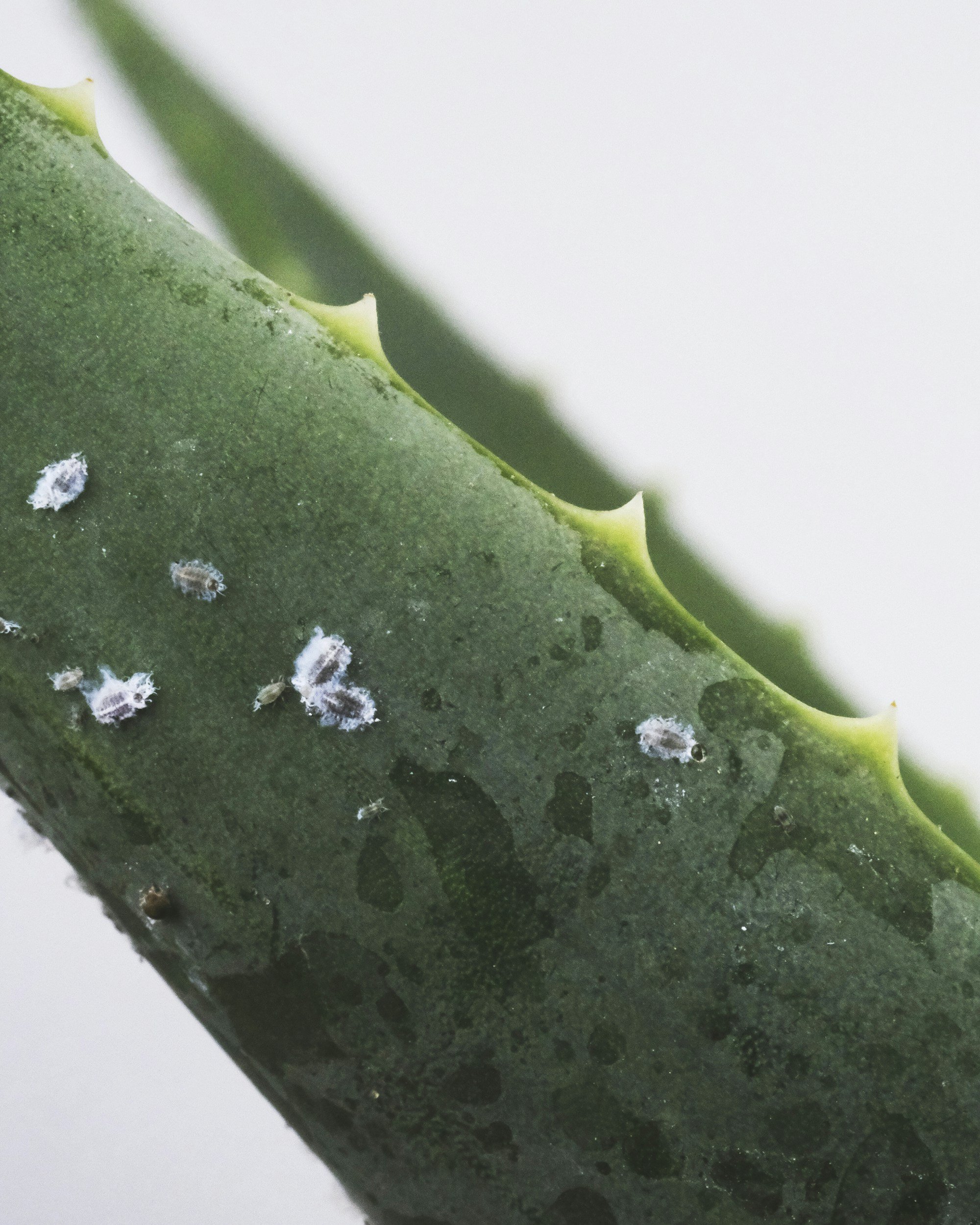
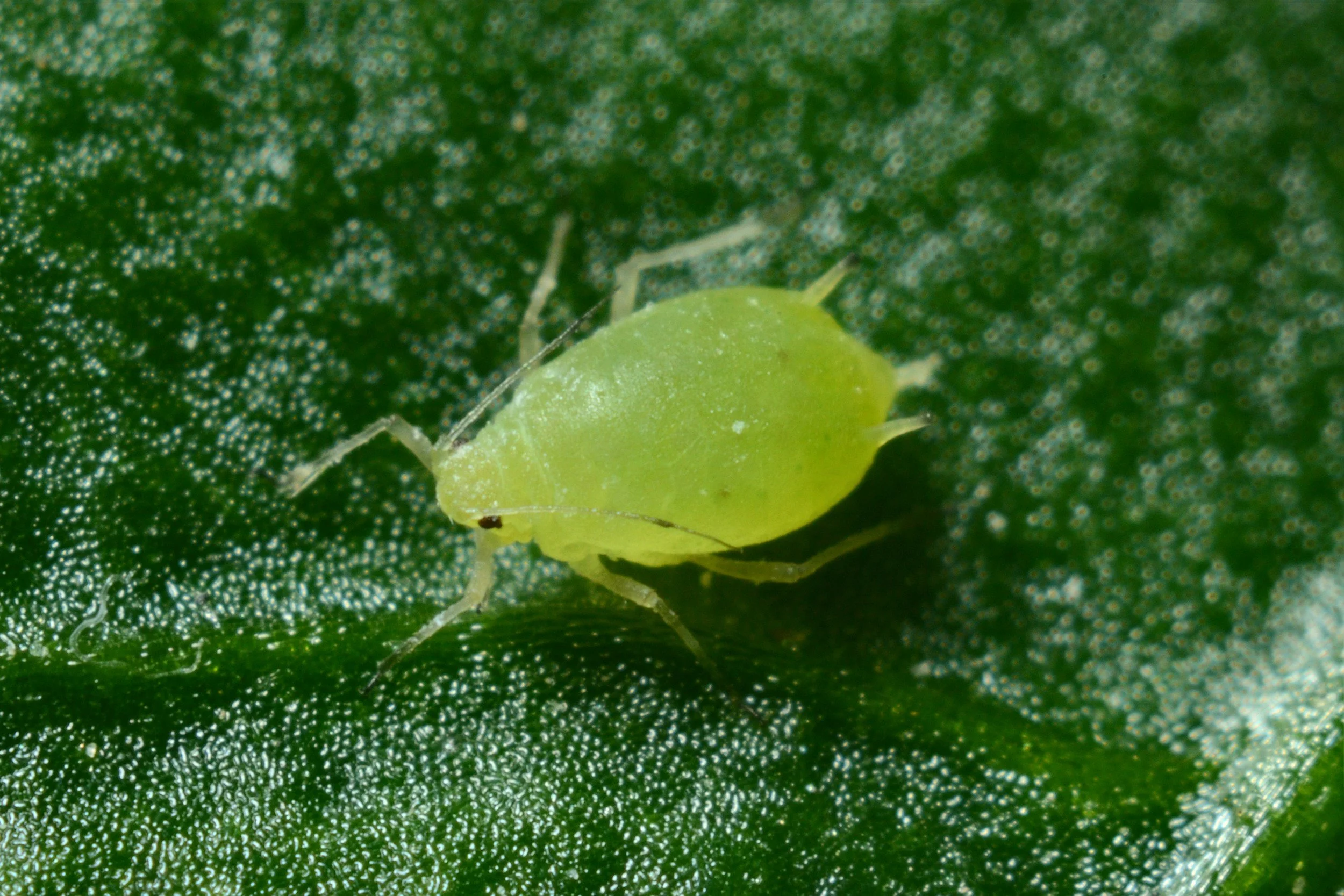
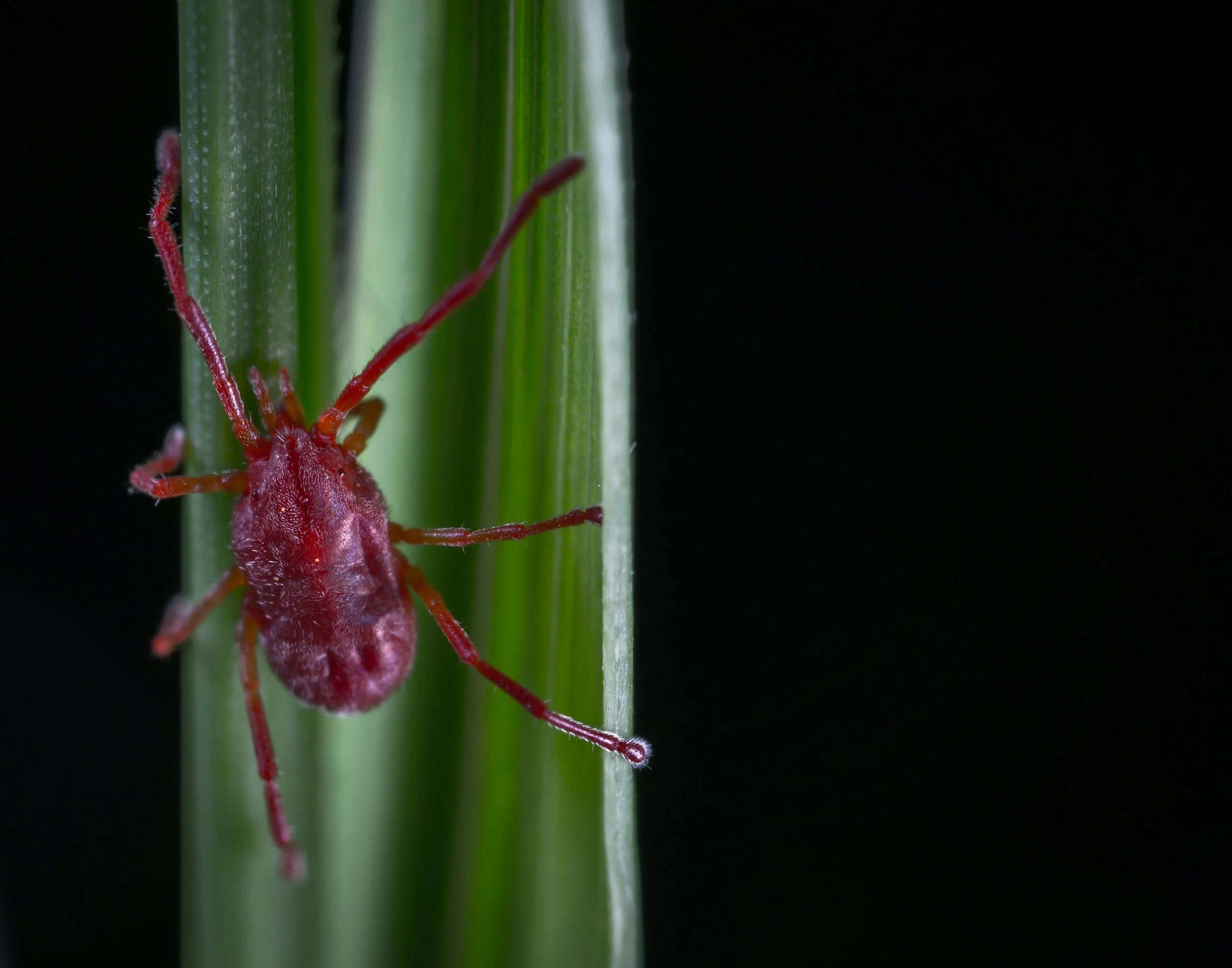
Common pests and bugs in an outdoor garden include aphids, spider mites, caterpillars, snails, slugs, and beetles. Aphids are tiny insects that suck sap from plants, causing yellowing and wilting of leaves. Spider mites are barely visible arachnids that feed on plant juices, leading to stippled leaves. Caterpillars munch on leaves, leaving behind holes and skeletonized foliage. Snails and slugs are known for chewing through leaves and stems, particularly in damp environments. Beetles, such as Japanese beetles, can devour plant foliage rapidly. Proper pest identification and management strategies are crucial to maintaining a healthy outdoor garden.
EXTERMINATION
To effectively get rid of pests in your outdoor garden, consider implementing natural remedies such as introducing beneficial insects like ladybugs or mantises that feed on common garden pests. You can also create physical barriers like row covers to protect your plants from insects. Proper garden maintenance, such as removing weeds and debris where pests may hide, is crucial in pest prevention. Additionally, using organic insecticidal soaps or neem oil can help control pest populations without harming beneficial insects. Regularly inspect your plants for signs of pest damage and promptly address any issues to prevent infestations from spreading. By incorporating these strategies into your gardening routine, you can successfully manage pests and promote a healthy garden ecosystem.
BEST TIPS TO KEEP YOUR PLANTS ALIVE
Provide Adequate Watering: Ensure your garden receives the right amount of water based on the plant's needs. Overwatering can lead to root rot, while underwatering can cause wilting and stunted growth.
Choose the Right Location: Place your garden where it can get sufficient sunlight based on the plant's requirements. Some plants thrive in full sun, while others prefer partial shade.
Regularly Weed and Mulch: Keep weeds at bay by regularly pulling them out. Mulching around plants helps retain soil moisture, suppress weeds, and provide nutrients as it breaks down.
Fertilize Appropriately: Feed your plants with the right type of fertilizer based on their needs. Follow instructions on the fertilizer package to prevent overfertilizing, which can harm plants.
Monitor for Pests and Diseases: Keep an eye out for any signs of pests or diseases in your garden. Early detection can help you address issues promptly and prevent them from spreading.
By following these tips, you can help ensure your outdoor garden thrives and stays healthy.