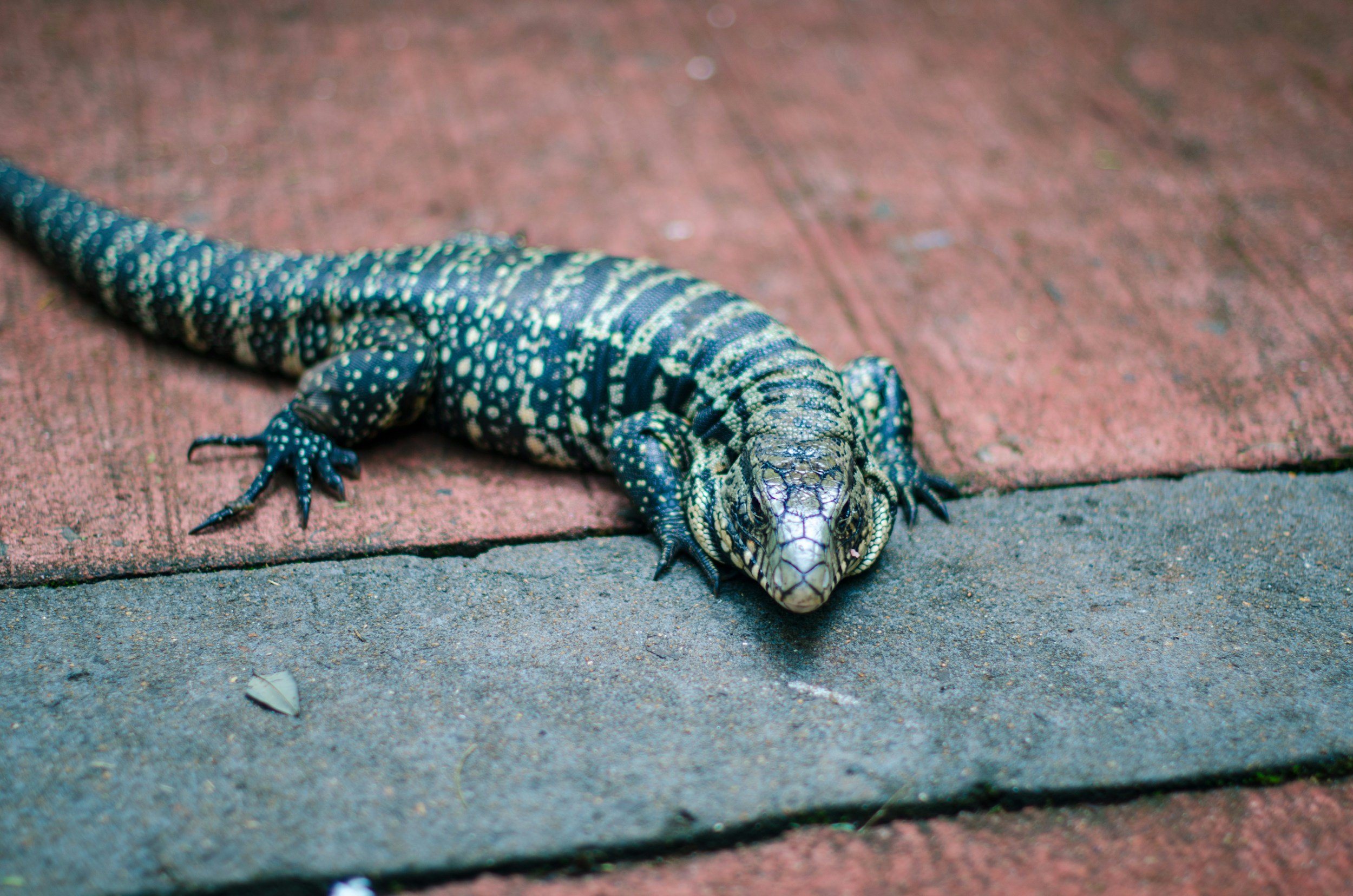
LIZARDS
MOST COMMON IN AMERICA
When camping in America, some of the most common lizards that people may encounter include the Eastern Fence Lizard, the Western Fence Lizard, and the Common Five-lined Skink. These lizards are typically found in a variety of habitats such as forests, deserts, and grasslands. The Eastern Fence Lizard is known for its grayish-brown coloration and the distinctive dark lines running along its back. The Western Fence Lizard can be identified by its blue belly, while the Common Five-lined Skink is often recognized by the five yellowish stripes on its sleek body. Observing these fascinating reptiles can add an extra element of excitement to any camping trip in the great outdoors.
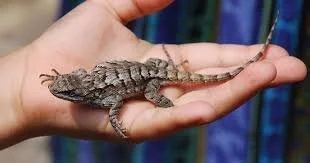
Eastern Fence
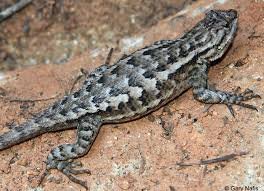
Western Fence
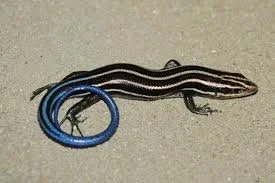
5 lined skink
EASTERN FENCE
The Eastern fence lizard, scientifically known as Sceloporus undulatus, is a reptile commonly found across the eastern United States. These lizards are characterized by their gray-brown coloration with dark, wavy lines running along their back. Adult Eastern fence lizards can grow up to 7-8 inches in length, with the males exhibiting brightly colored blue patches on their throat and belly during the breeding season.
These lizards are often seen basking in the sun on fences, tree trunks, or rocks, as they are diurnal creatures that rely on external heat sources to regulate their body temperature. Eastern fence lizards are known to have a diet that consists mainly of insects, such as ants, beetles, and spiders.
In terms of behavior, Eastern fence lizards are quite territorial and will display push-up behaviors to assert dominance or attract mates. They are also known for their impressive ability to detach their tail when threatened by predators, which then continues to wiggle to distract the predator while the lizard makes its escape.
Overall, the Eastern fence lizard plays a significant role in controlling insect populations and is a fascinating species to observe in its natural habitat.
WESTERN FENCE
The Western fence lizard, commonly referred to as the blue-belly lizard, can be easily spotted along the western coast of North America, specifically from Oregon all the way down to Baja California. These lizards are recognizable by their blue abdominal area and their tendency to swiftly engage in push-up movements when they sense danger approaching. It's a common sight to observe them sunbathing on rocks or fences, a behavior that aligns with their given name. In terms of diet, Western fence lizards predominantly consume insects such as ants, beetles, and spiders, contributing significantly to the control of pest numbers within their environment. Moreover, these lizards offer an added benefit by assisting in the management of tick populations, as they possess a natural resistance to the bacteria responsible for causing Lyme disease.
FIVE-LINED SKINK
The five-lined skink is a small, smooth-scaled lizard found throughout the eastern United States. It is easily identified by the five distinct yellowish stripes running down its body, which fade as the skink matures. These stripes serve as a form of camouflage, helping the skink blend in with its surroundings.
Five-lined skinks are primarily insectivores, preying on a variety of insects such as crickets, beetles, and caterpillars. They are also known to eat spiders and other small invertebrates. Despite their small size, these skinks play a vital role in controlling insect populations in their habitats.
These lizards are most commonly found in wooded areas, where they can be seen basking on rocks, logs, or tree stumps. They are agile climbers and are often spotted climbing trees or fences in search of food or mates. Five-lined skinks are oviparous, meaning they lay eggs rather than giving birth to live young.
In conclusion, the five-lined skink is a fascinating reptile native to the eastern United States. With its striking appearance and important role in controlling insect populations, this small lizard serves as a valuable member of its ecosystem.