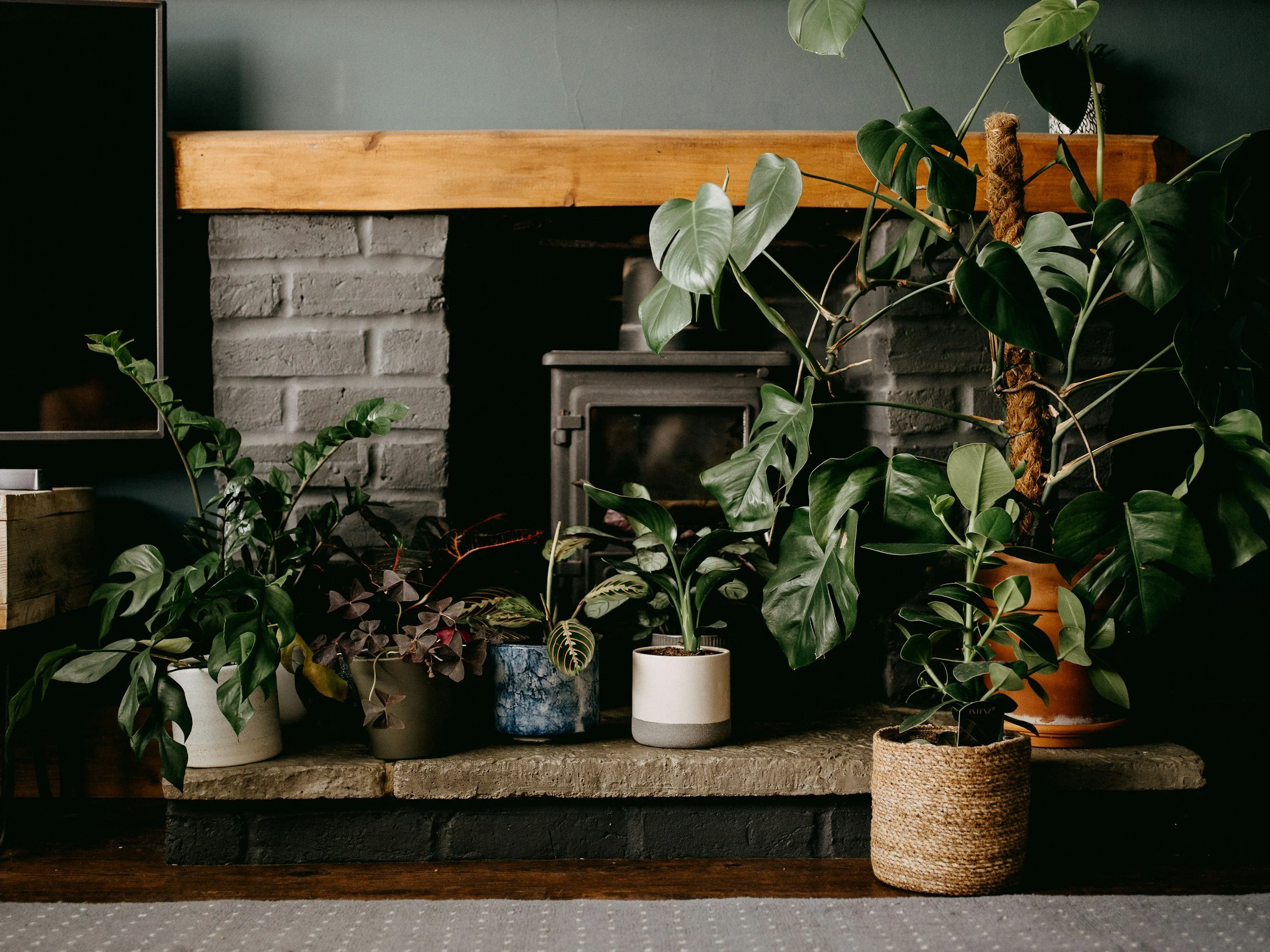
INDOOR
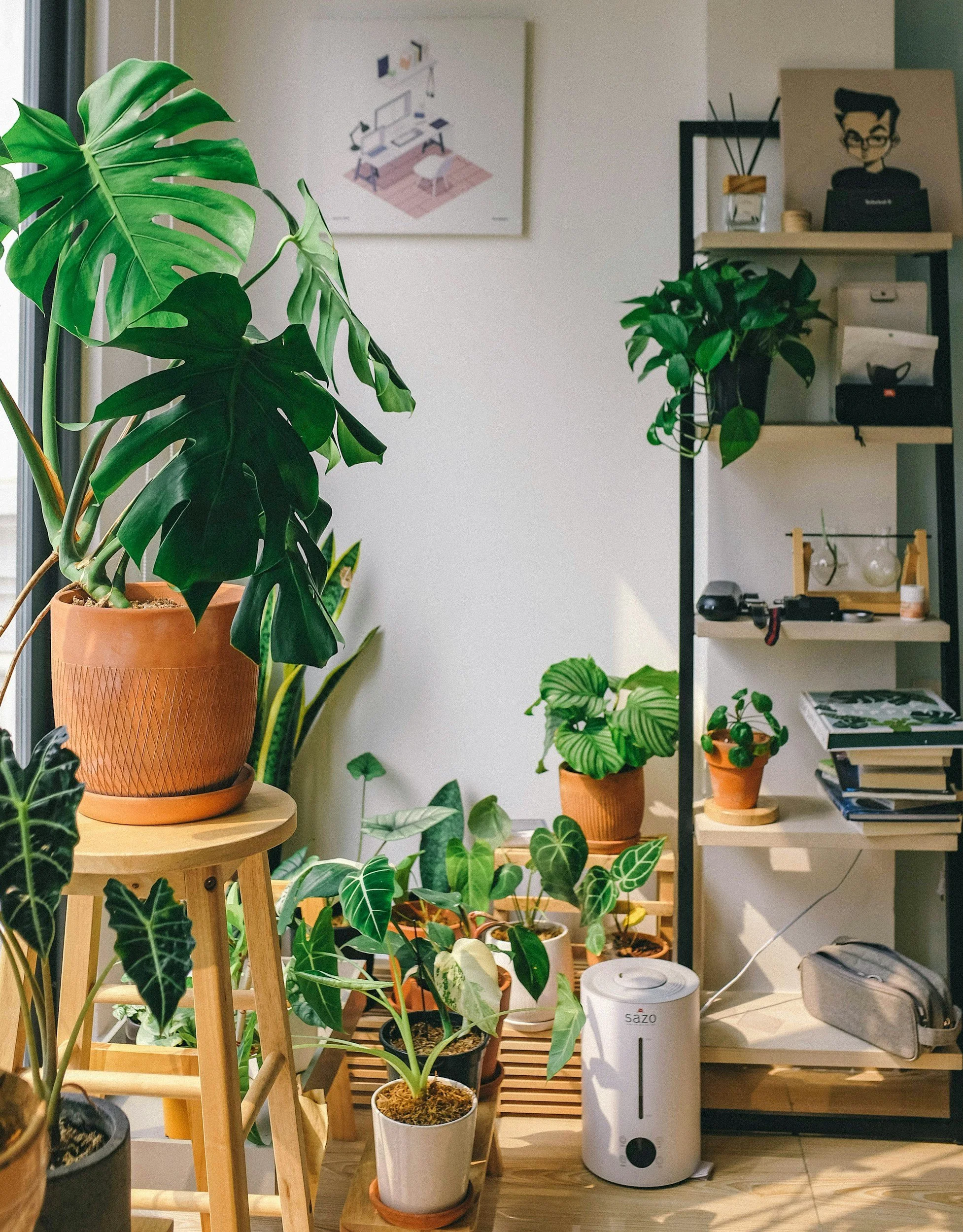
INDOOR PLANTS
Indoor gardening has become increasingly popular as more people are choosing to bring nature into their homes. Growing plants indoors provides many benefits, including the ability to cultivate a variety of plants regardless of the outdoor climate, making it accessible for individuals living in apartments or urban areas with limited outdoor space. Additionally, indoor plants have been shown to improve air quality by removing toxins and increasing oxygen levels, ultimately contributing to a healthier living environment. With the convenience of growing herbs, vegetables, and decorative plants indoors, it is no surprise that more individuals are opting to create their own indoor garden oasis.
WHERE TO START
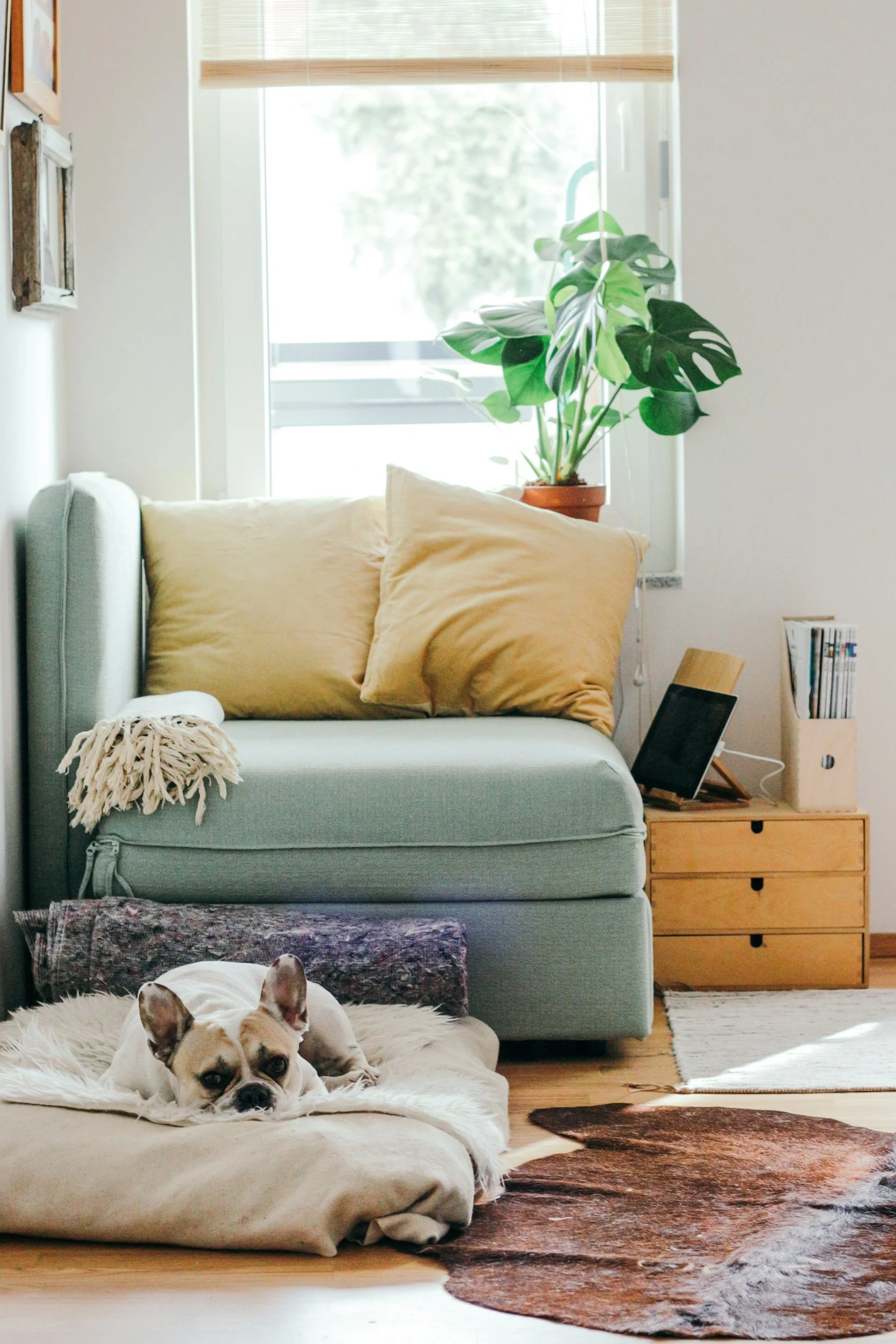
Before bringing an indoor plant home, a first-time indoor plant grower should first check the various light conditions available in their home. Different plants require different levels of sunlight, so it is essential to know the amount of natural light that enters the living space. Additionally, assessing the room temperature and humidity levels is crucial, as certain plants thrive in specific environments. It is also important to consider the available space for the plant to ensure it has sufficient room to grow. Finally, beginners should research and select a plant species that aligns with their lifestyle and level of gardening expertise to set themselves up for a successful indoor gardening experience.
WHAT PLANTS SHOULD YOU GET?
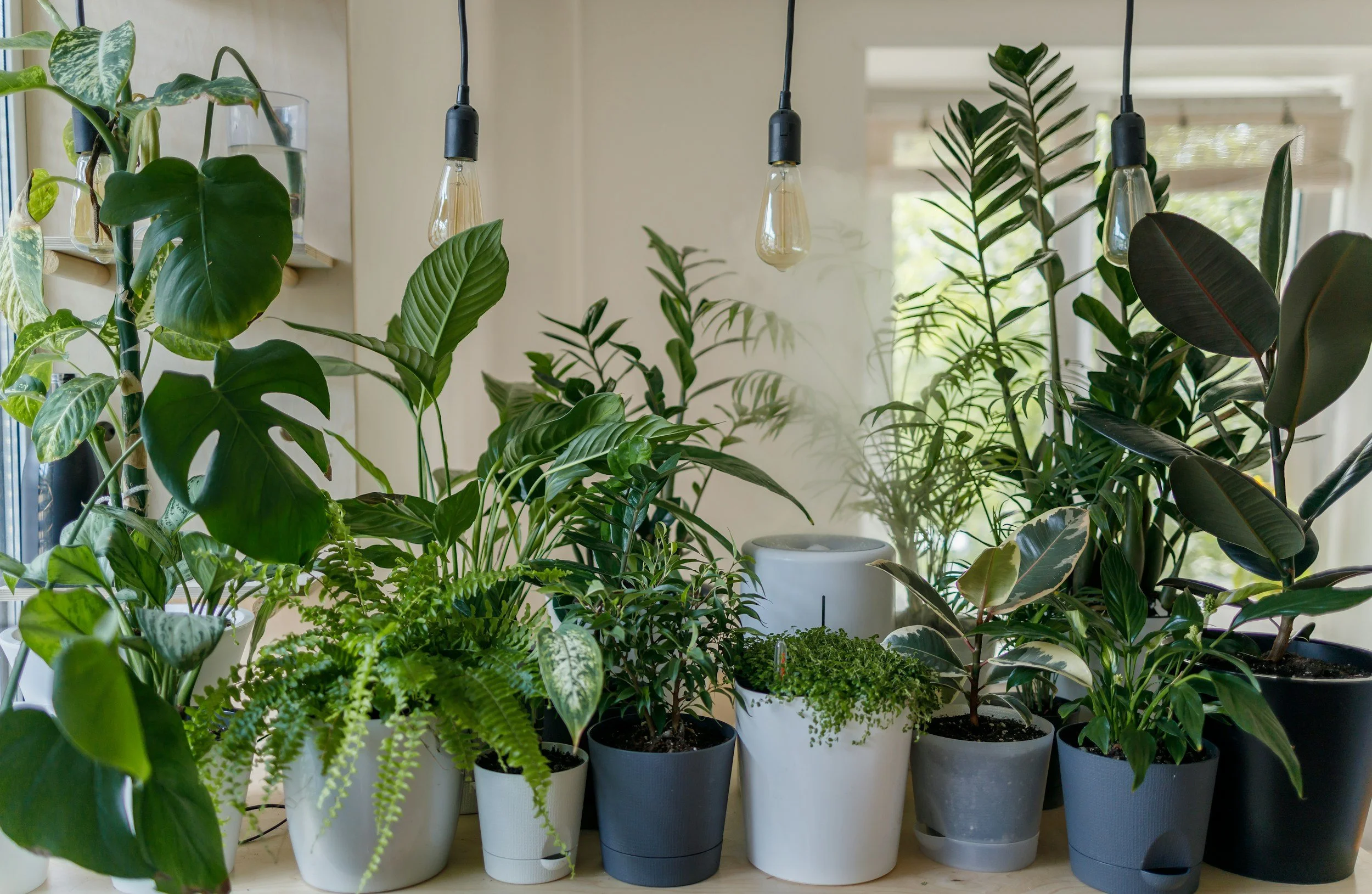
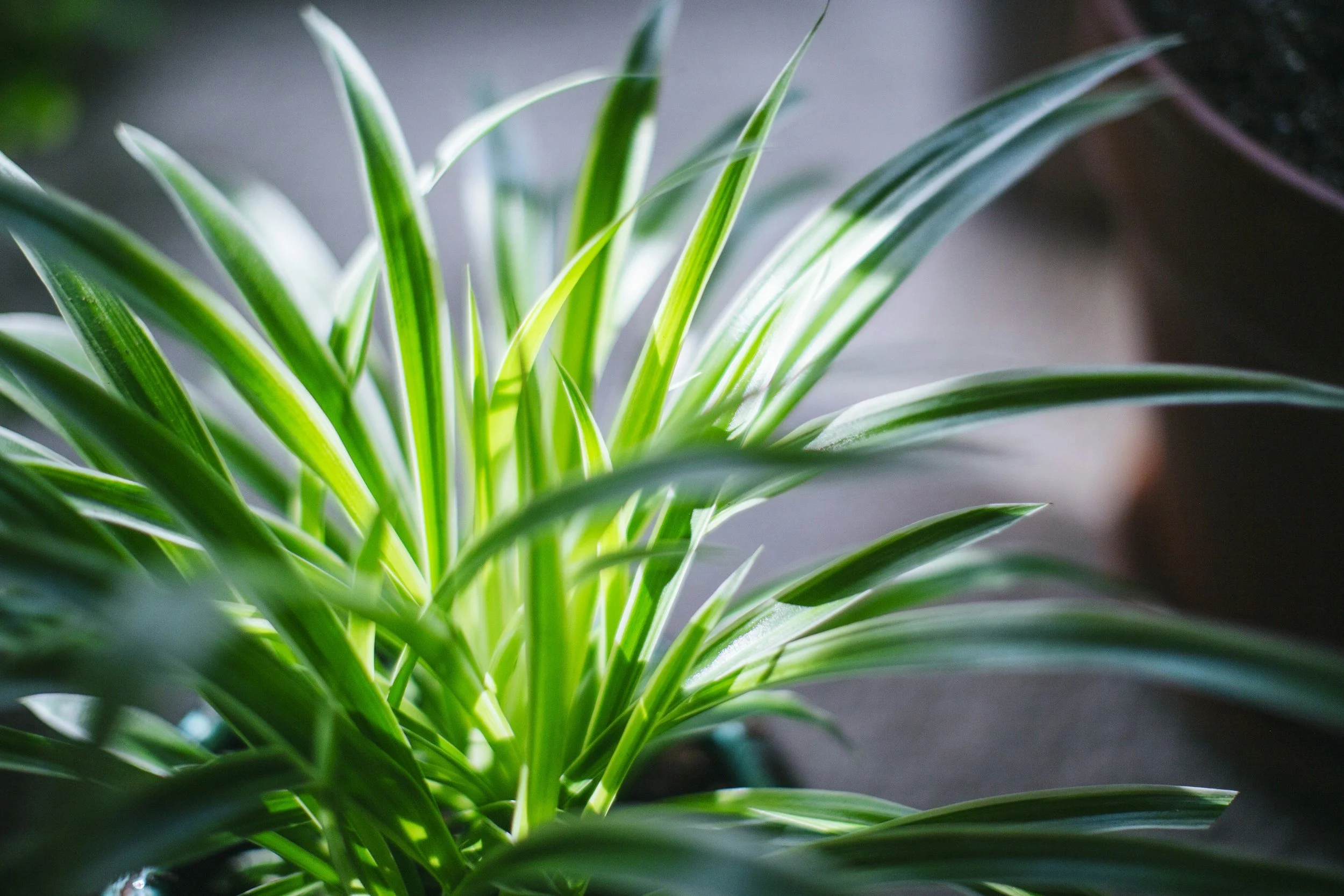
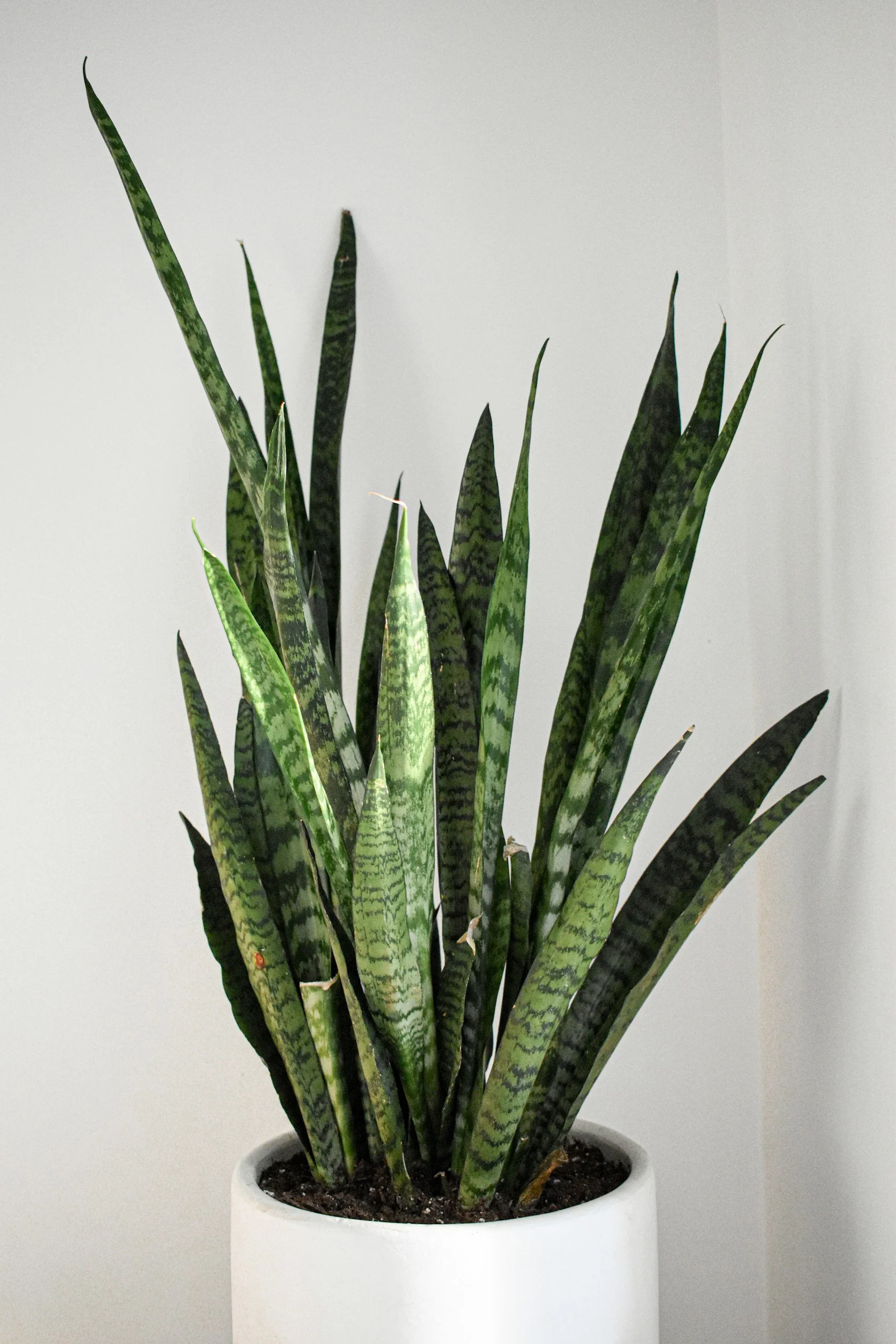
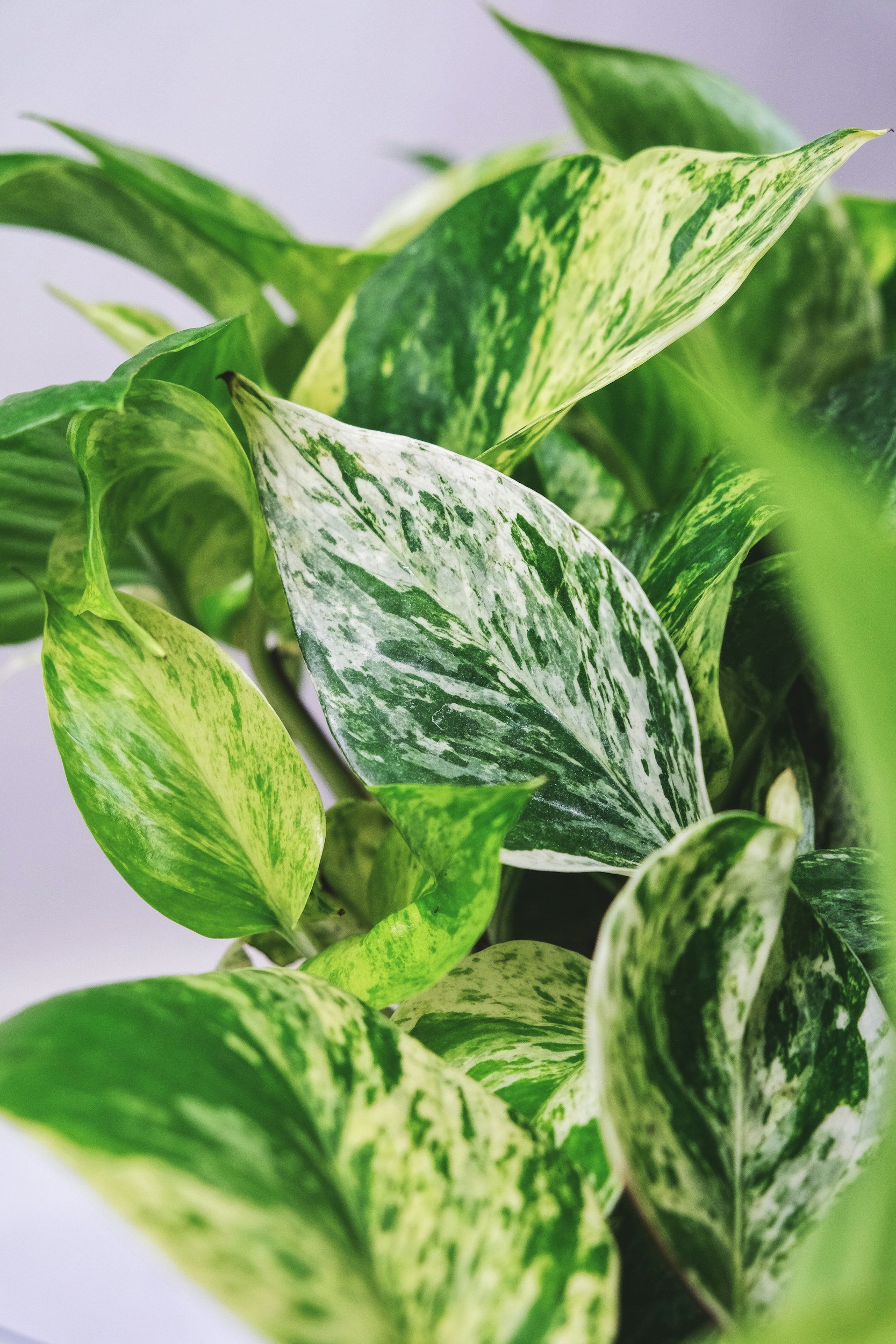
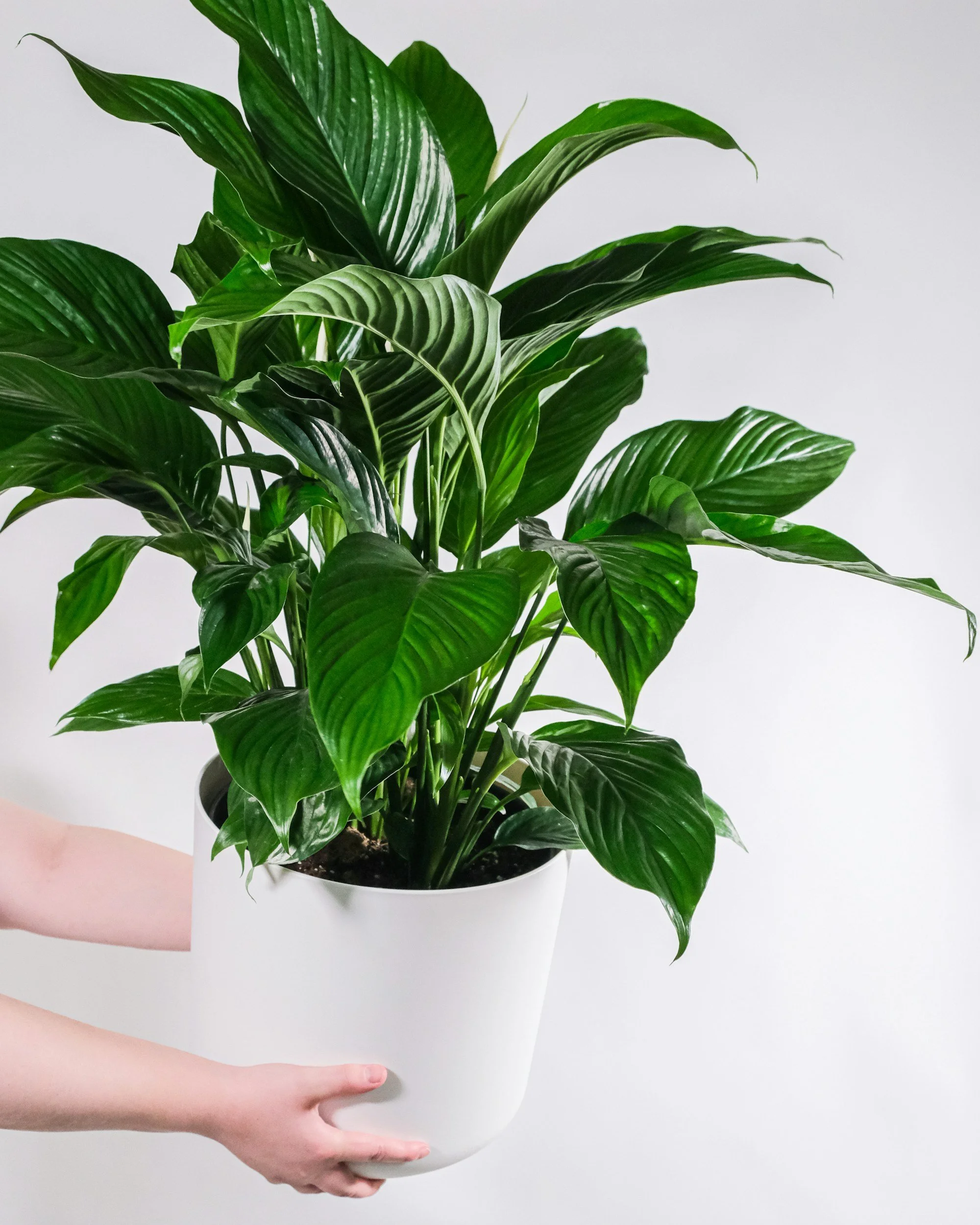
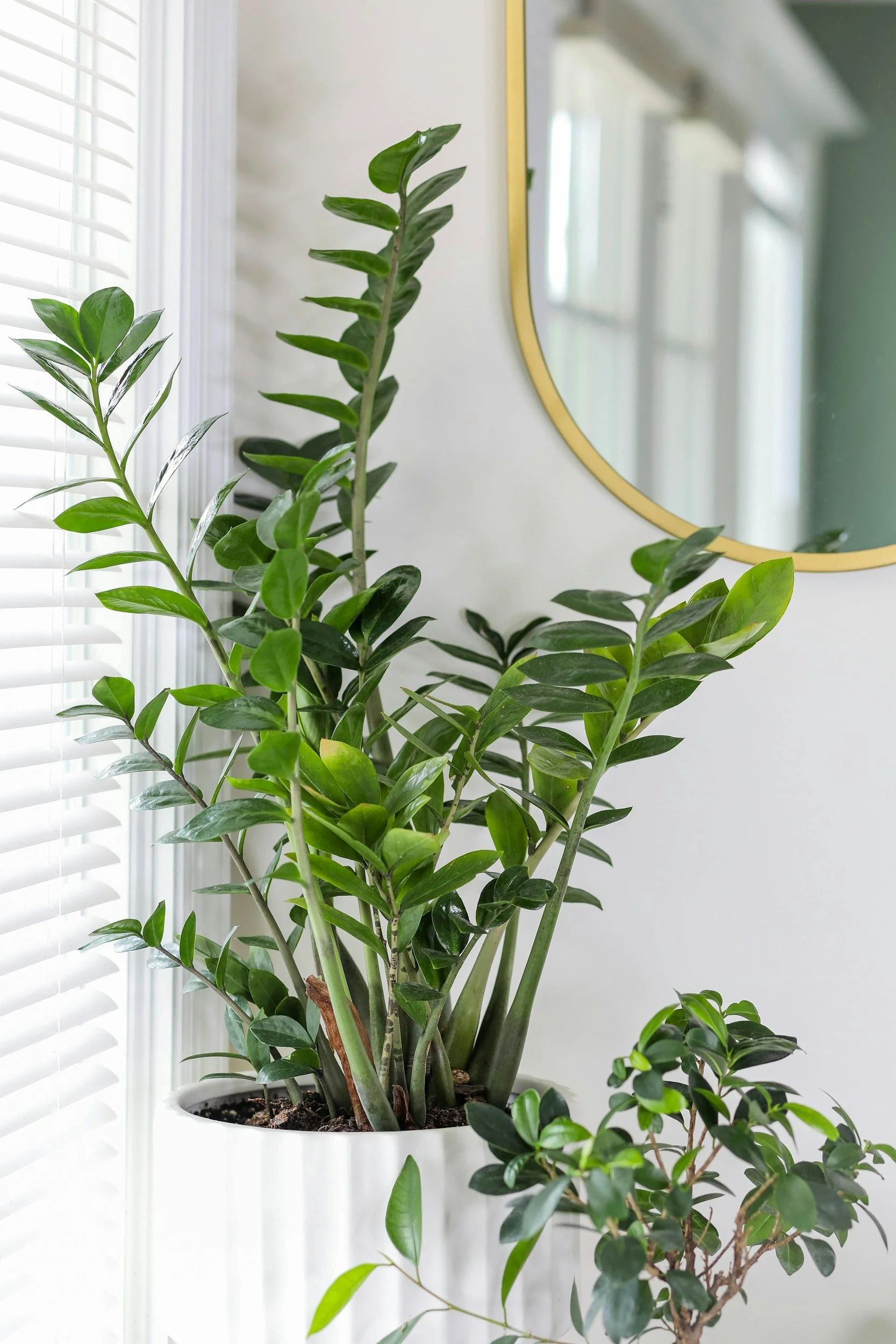
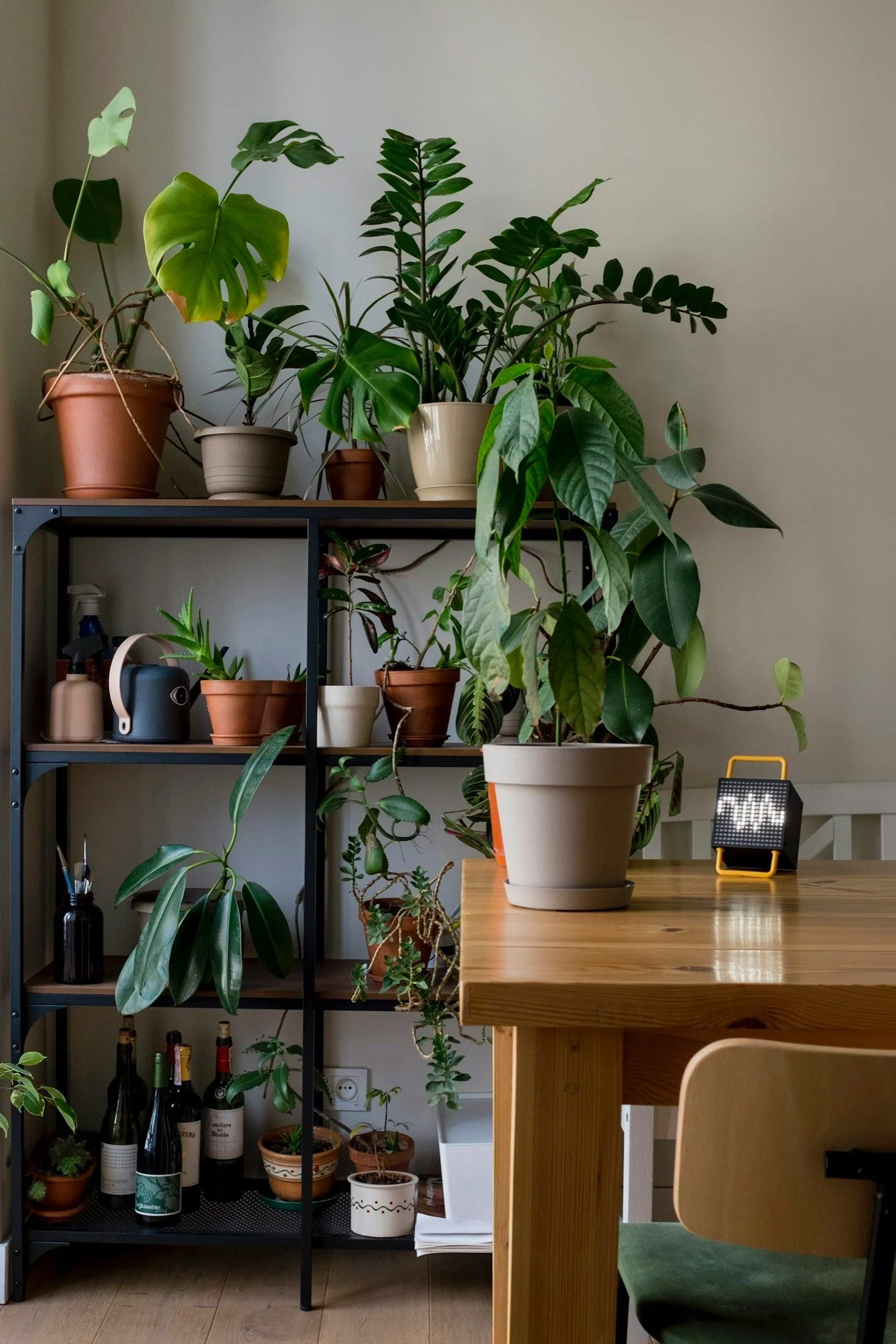
If you're new to indoor plants, consider starting your collection with easy-to-care-for varieties like the Spider Plant, Snake Plant, Pothos, Peace Lily, and ZZ Plant. Spider Plants are resilient and produce "babies" easily. Snake Plants are hardy and can thrive in low light. Pothos come in different varieties and are great for hanging baskets. Peace Lilies are excellent for adding a touch of elegance with their white blooms. ZZ Plants are known for their ability to survive with minimal sunlight and water, making them almost indestructible. These five plants are excellent choices for beginners looking to bring greenery into their indoor spaces.
POTS
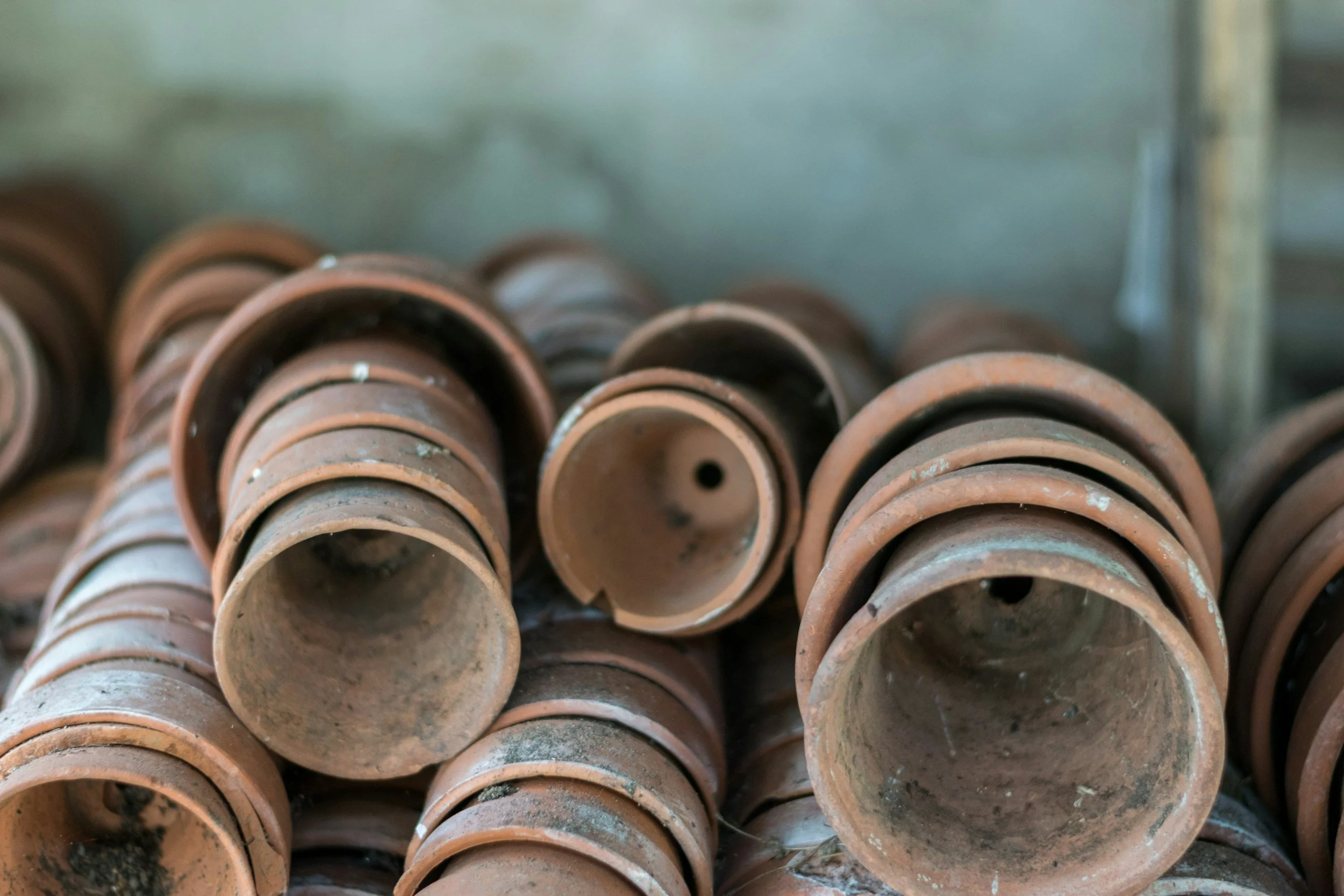
When choosing pots and saucers for indoor plants, it is essential to consider the size, material, and drainage capabilities. Opt for pots with drainage holes to prevent overwatering and root rot. Clay pots are porous and allow for better airflow to the roots, but they may require more frequent watering. Plastic pots retain moisture better and are lighter in weight. Select a pot size that accommodates the plant's roots without being too snug or too loose. Saucers should be able to catch excess water without causing the plant to sit in standing water. Ultimately, the best type of pot and saucer will depend on the specific needs of the indoor plant in terms of watering frequency, root aeration, and overall aesthetic.
Soil
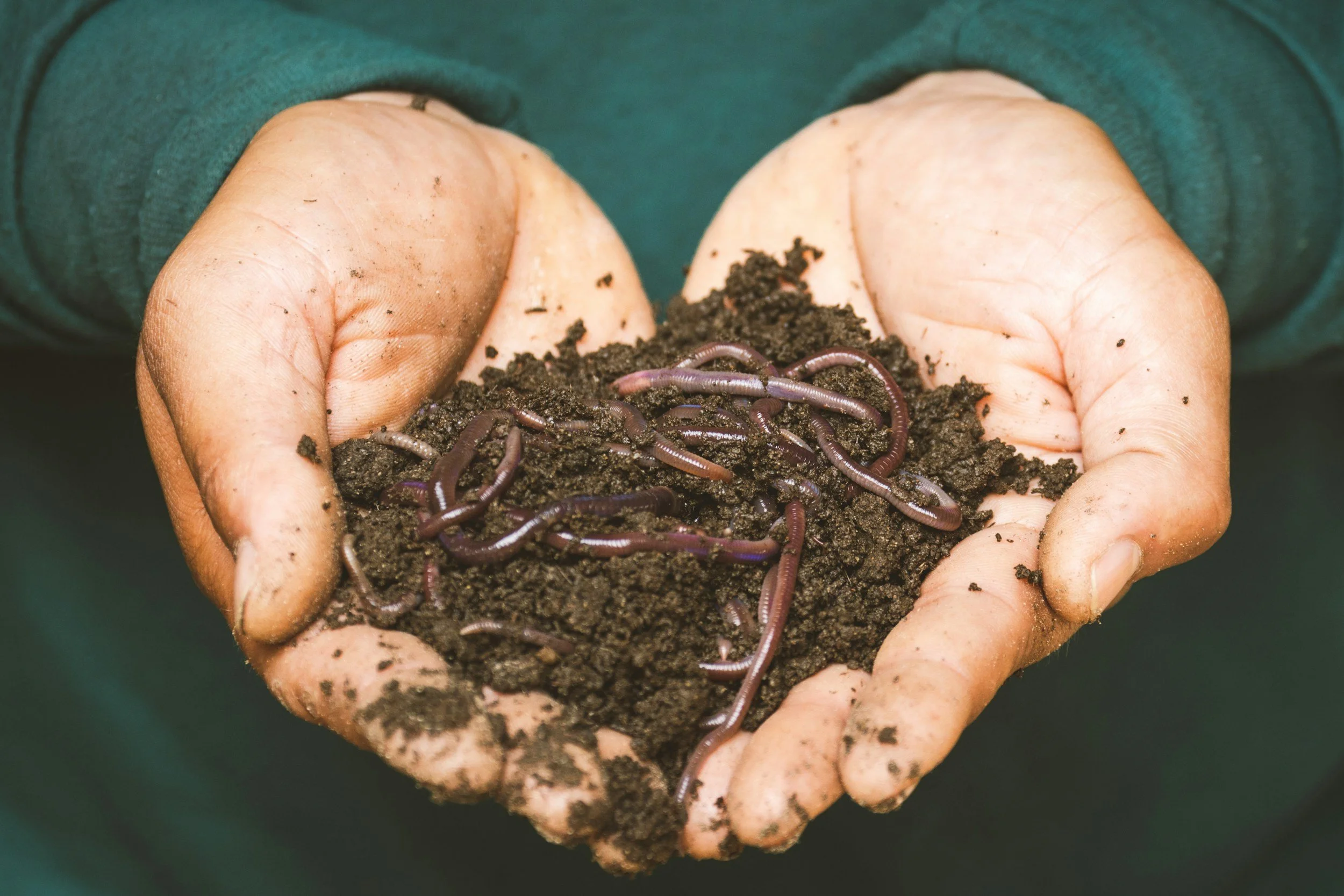
Indoor plants generally require a soil that provides adequate drainage, aeration, and nutrients for healthy growth. A basic soil mix for most indoor plants can consist of a combination of peat moss, perlite, and a small amount of sand or vermiculite to improve drainage. This mixture helps prevent waterlogging, which can lead to root rot, while also ensuring that roots have access to oxygen. Additionally, incorporating some organic matter like compost or well-rotted manure can provide essential nutrients for plant growth. It's important to use a well-balanced soil mix to support indoor plants' overall health and vitality.
WATERING
When watering indoor plants, it is essential to strike a balance to prevent overwatering or underwatering. Overwatering can lead to root rot and other issues, while underwatering can cause wilting and stunted growth. To determine when a plant needs water, check the topsoil with your finger - if it feels dry about an inch deep, it's time to water. Different plants have varying watering needs, so it's crucial to research each plant's requirements. Factors like humidity, light exposure, and pot size also influence a plant's watering schedule. Additionally, investing in a moisture meter can help accurately gauge when it's time to water your indoor plants. Remember, it's better to underwater than overwater, as most indoor plants are more tolerant of drought than excess water.
FERTILIZER
Fertilizing plants is crucial for their health and growth as it provides essential nutrients that may be lacking in the soil. Plants rely on fertilizers to thrive, ensuring they receive a balanced diet of nutrients like nitrogen, phosphorus, and potassium. One of the most common types of fertilizer used indoors is a balanced liquid fertilizer. This type of fertilizer is popular among indoor plant owners due to its ease of application and quick absorption by the plants, promoting healthy foliage and vibrant blooms. It is recommended to fertilize indoor plants regularly during the growing season to support their overall well-being and encourage optimal growth.
PROPOGATION
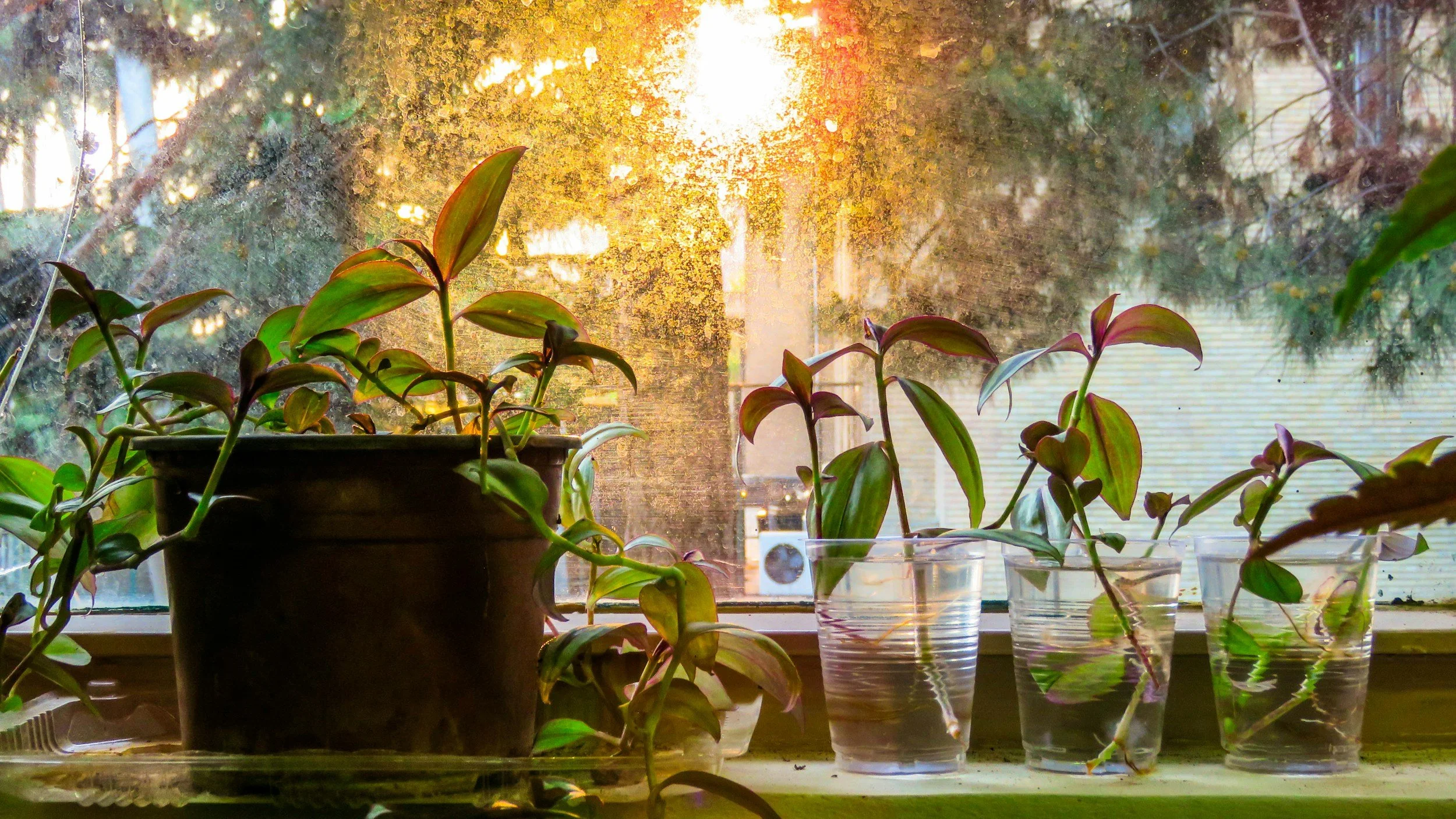
Propagating indoor plants is a rewarding way to expand your plant collection. Beginners can start by propagating through stem or leaf cuttings. For stem cuttings, select a healthy stem and place it in water or directly in soil after cutting it at an angle. For leaf cuttings, carefully remove a leaf from the plant and let it dry before placing it in soil. Another method is propagating through division, where you separate a mature plant into smaller sections with roots. Air layering is a more advanced technique involving creating roots on a stem before cutting it for planting. Experimenting with these different methods can lead to successful propagation and a flourishing indoor garden.
HYDROPONICS
Introduction to LECA for Hydroponics Beginners
LECA, or Lightweight Expanded Clay Aggregate, is a popular growing medium used in hydroponic systems. It consists of small, clay pellets that are both lightweight and porous, providing an ideal environment for plant roots to thrive. Here are some key points for beginners looking to use LECA in their hydroponic setups:
Benefits of LECA:
Excellent Drainage: LECA allows for adequate aeration and drainage, preventing waterlogging and root rot.
Reusable: Unlike soil, LECA can be reused multiple times after proper cleaning and sterilization.
pH Neutral: LECA has a neutral pH, providing a stable environment for nutrient uptake.
How to Use LECA in Hydroponics:
Rinsing: Before use, rinse the LECA thoroughly to remove any dust or debris.
Soaking: Allow the LECA to soak in water for a few hours to ensure it is fully saturated.
Plant Placement: Place your plants in the LECA, ensuring the roots are in direct contact with the pellets.
Maintenance Tips:
Nutrient Solution: In a hydroponic system, regularly monitor and adjust the nutrient solution to meet the plant's needs.
Checking Moisture Levels: Check the moisture level of the LECA regularly to prevent drying out or oversaturation.
Cleaning: Periodically clean the LECA to remove any algae or mineral deposits.
MOST COMMON PESTS
EXAMINATION
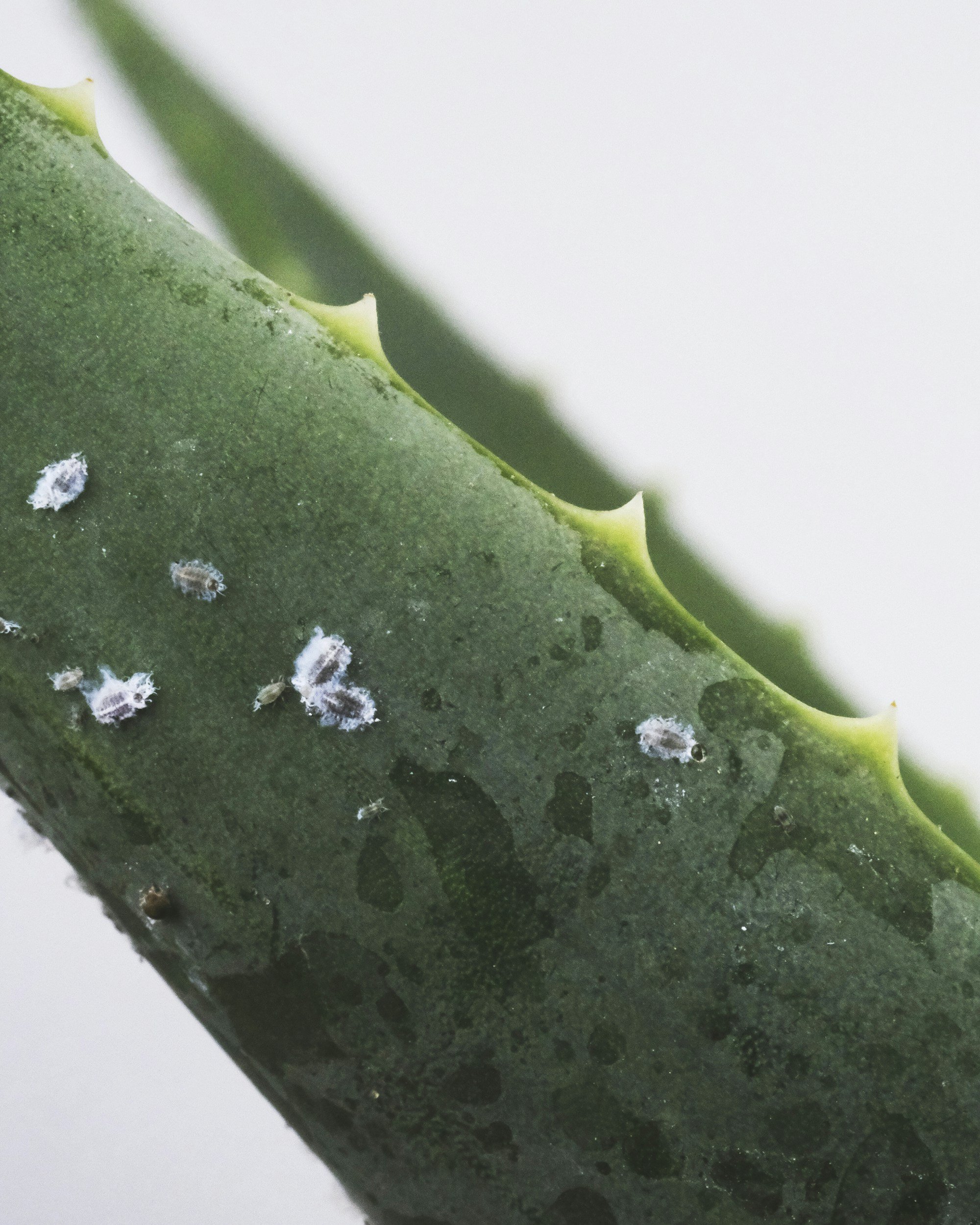
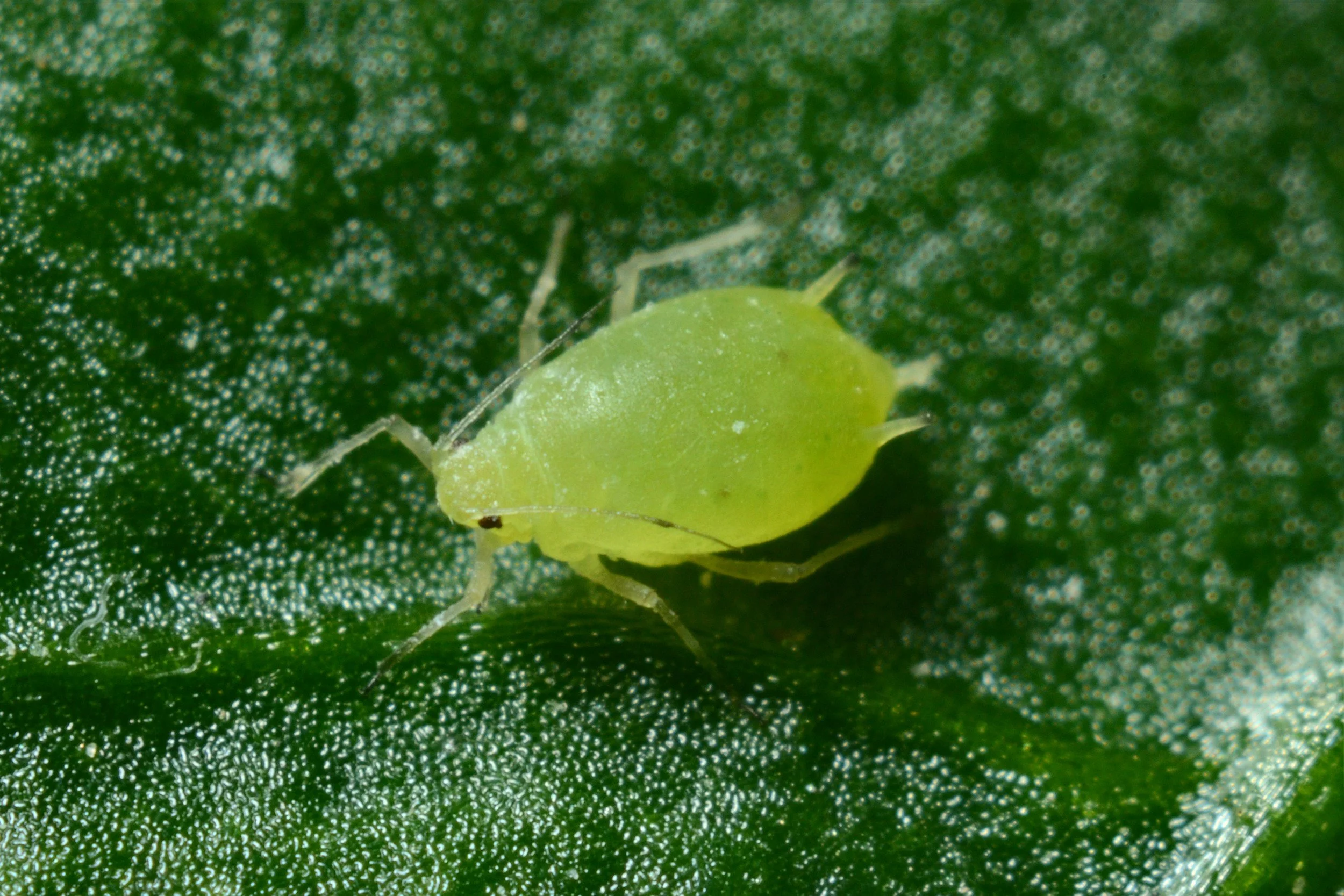
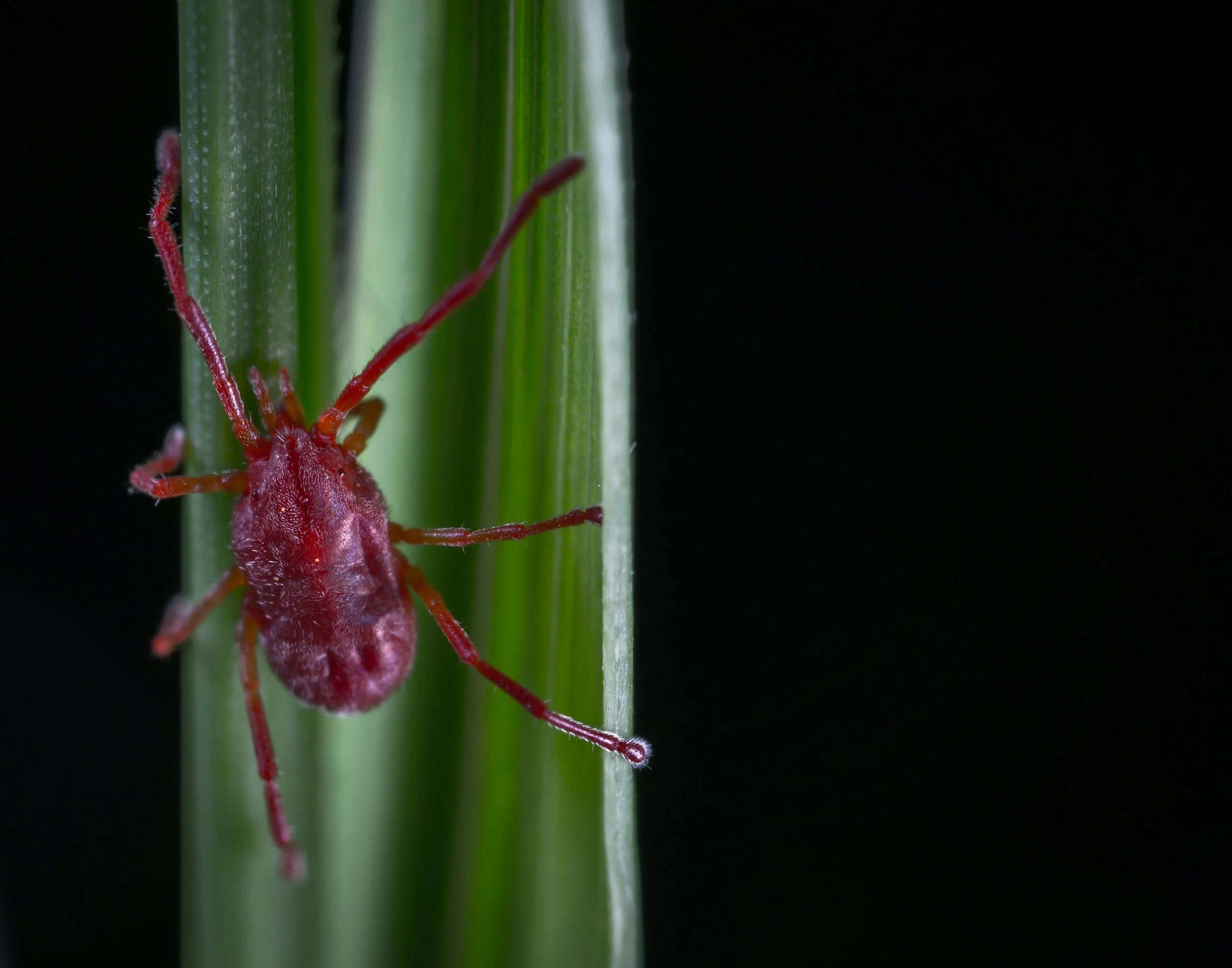
Spider mites, aphids, fungus gnats, and mealybugs are some of the most common pests that you may encounter in your house plants. Spider mites are tiny arachnids that suck on plant juices, leading to yellow speckling on leaves. Aphids, small insects typically found on the undersides of leaves, also feed on plant juices and can multiply rapidly. Fungus gnats are small, flying insects that lay eggs in the soil, with larvae feeding on plant roots. Mealybugs are soft-bodied, segmented insects that leave a white, cotton-like residue on plants while sapping their nutrients.
EXTERMINATION
To get rid of pests from your indoor plants, the best way is to create a homemade insecticidal soap spray. Mix 1 tablespoon of mild liquid soap with 1 quart of water in a spray bottle. Shake well and spray the solution onto the affected plants, making sure to cover both the tops and bottoms of the leaves. The soap helps to suffocate and kill the pests, such as aphids, spider mites, and mealybugs, without harming the plants. Repeat the application every few days until the pests are eradicated. Remember to test the spray on a small area of the plant first to ensure it does not cause any damage.
BEST TIPS TO KEEP YOUR PLANTS ALIVE
Make sure your indoor plants receive the right amount of sunlight. Different plants have different light requirements, so it is essential to place them in locations where they can get adequate sunlight based on their specific needs.
Water your indoor plants properly. Overwatering or underwatering can be detrimental to plant health. Be sure to water your plants according to their individual requirements and check the soil moisture levels regularly.
Monitor the humidity levels in your home. Indoor plants often thrive in environments with higher humidity levels. To increase humidity, you can use a humidifier or place a tray of water near your plants to maintain optimal growing conditions.
Regularly inspect your plants for pests and diseases. Keep an eye out for any unusual spots, discoloration, or pest infestations on your plants. If you notice any issues, address them promptly to prevent further damage.
Repot your indoor plants when necessary. As plants grow, they may outgrow their current pots, leading to root-bound plants. Repot your plants into larger containers when you see signs of overcrowding, such as roots growing out of the drainage holes or stunted growth.