FROGS
MOST COMMON IN AMERICA
In America, some of the most common frogs people see or hear include the American Bullfrog, the Green Frog, the Northern Leopard Frog, the Pacific Chorus Frog, the Spring Peeper, and the Western Toad. These frogs can be found in a variety of habitats across the country, from ponds and lakes to forests and wetlands. Each type of frog has its own distinctive call, which often helps people identify them by sound.
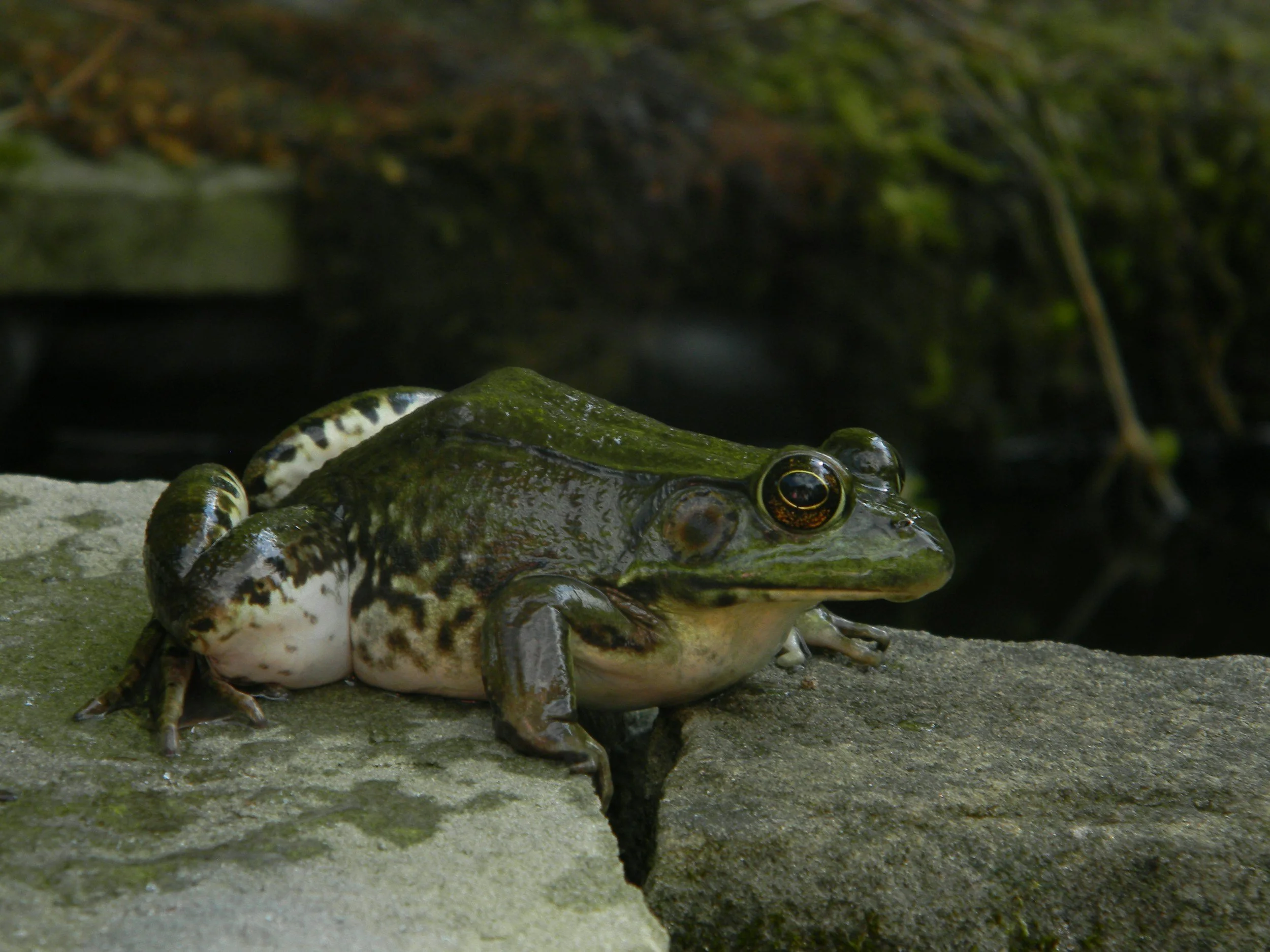
American Bullfrog
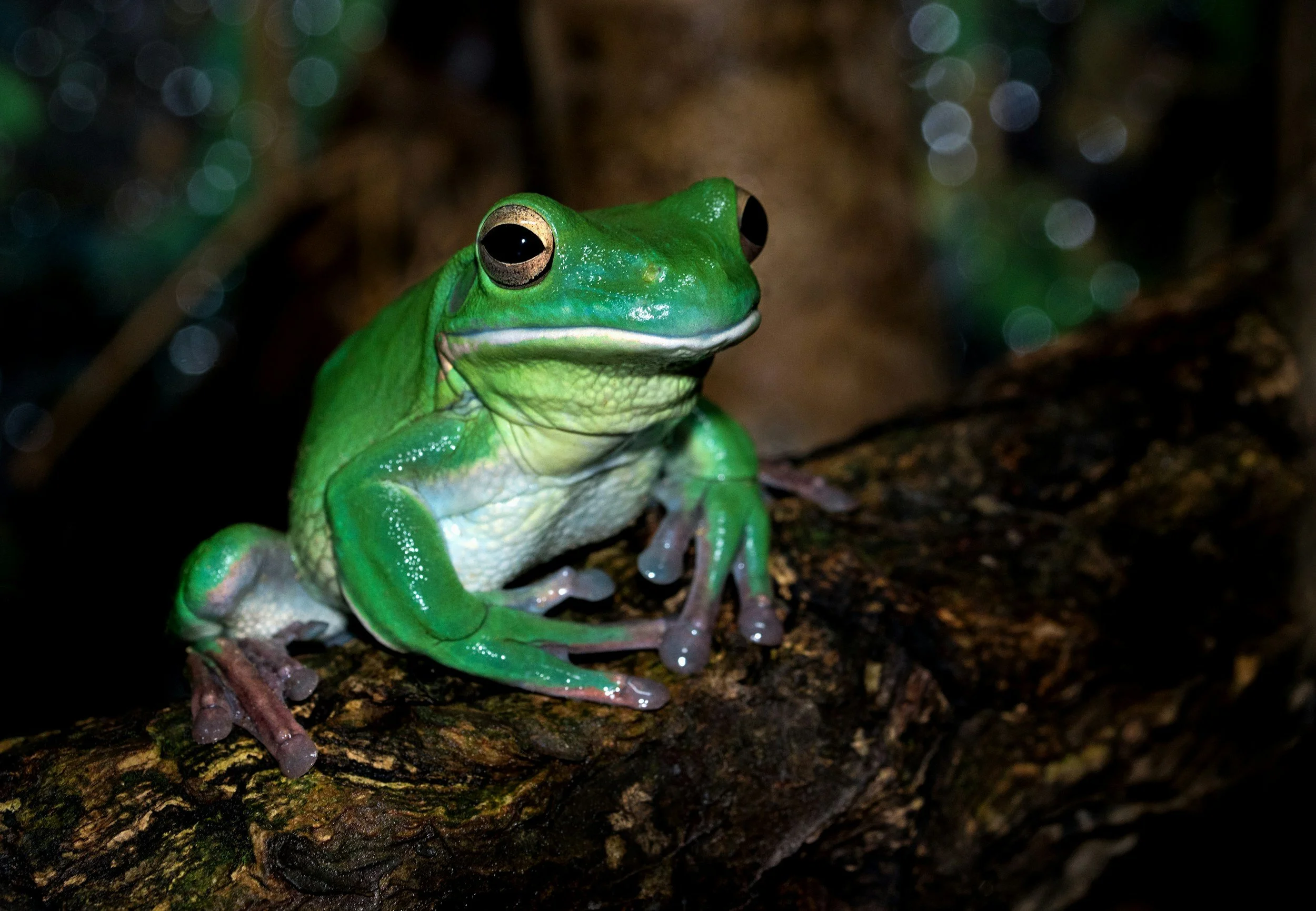
Green Frog
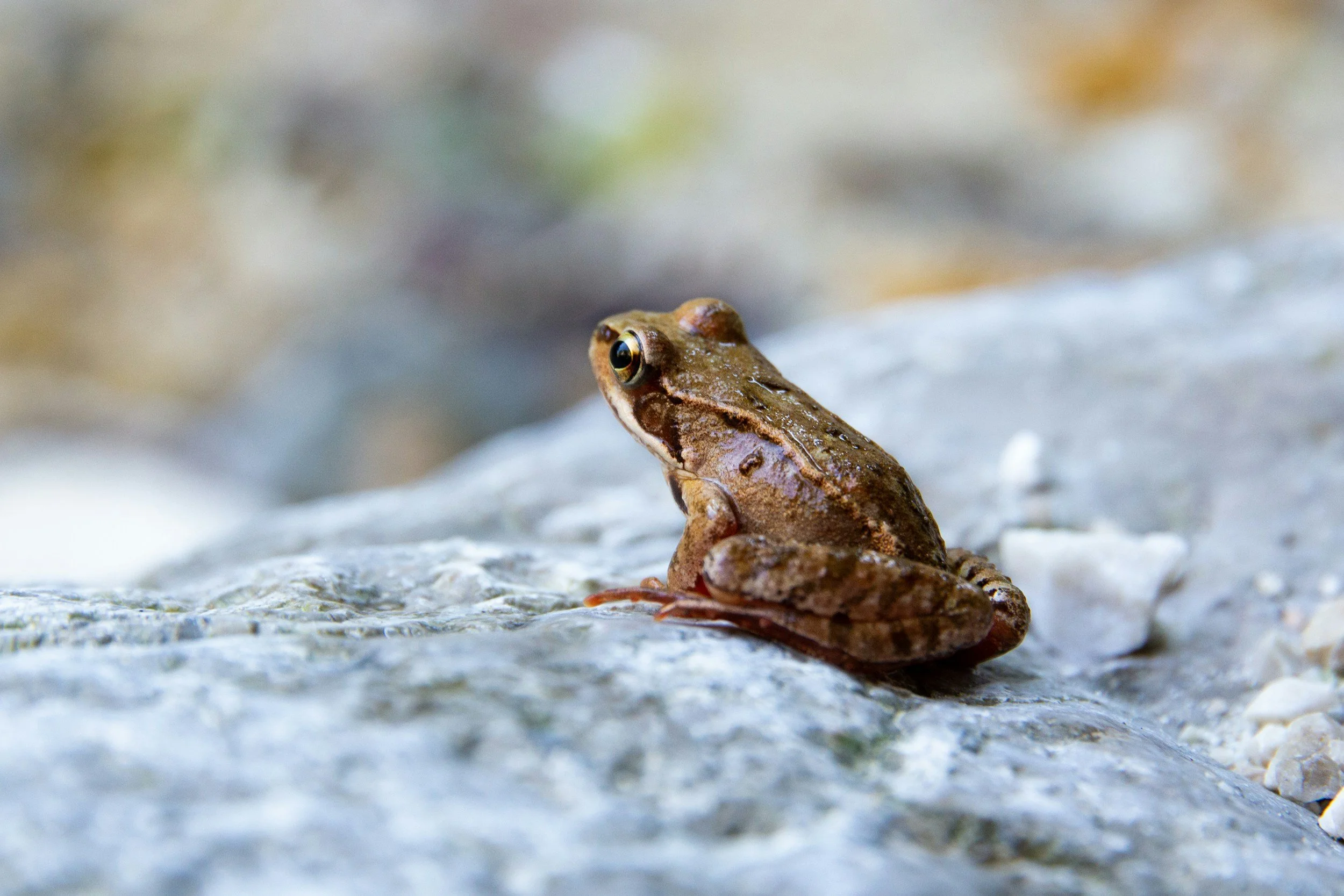
Chorus Frog
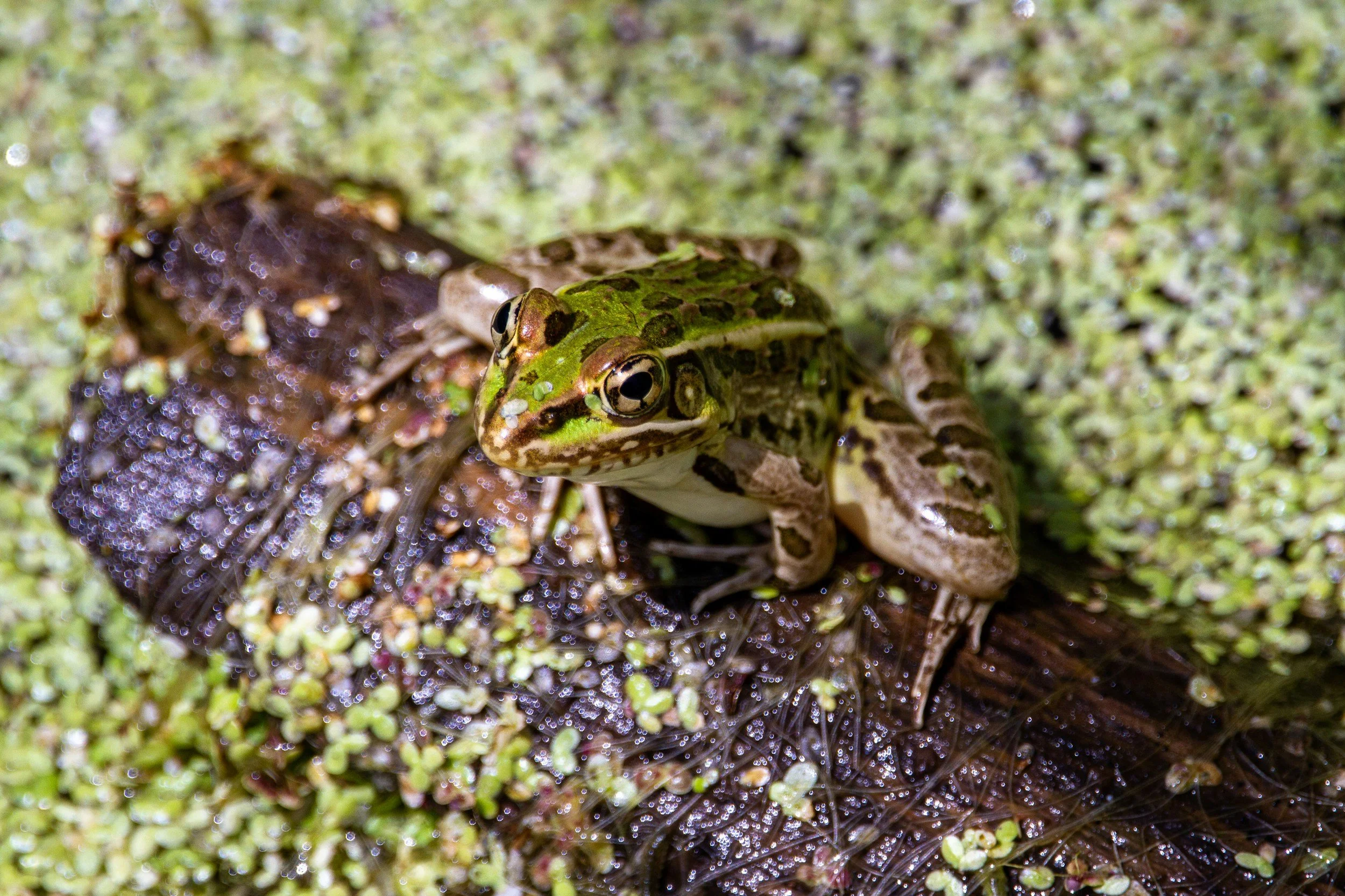
Leopard Frog
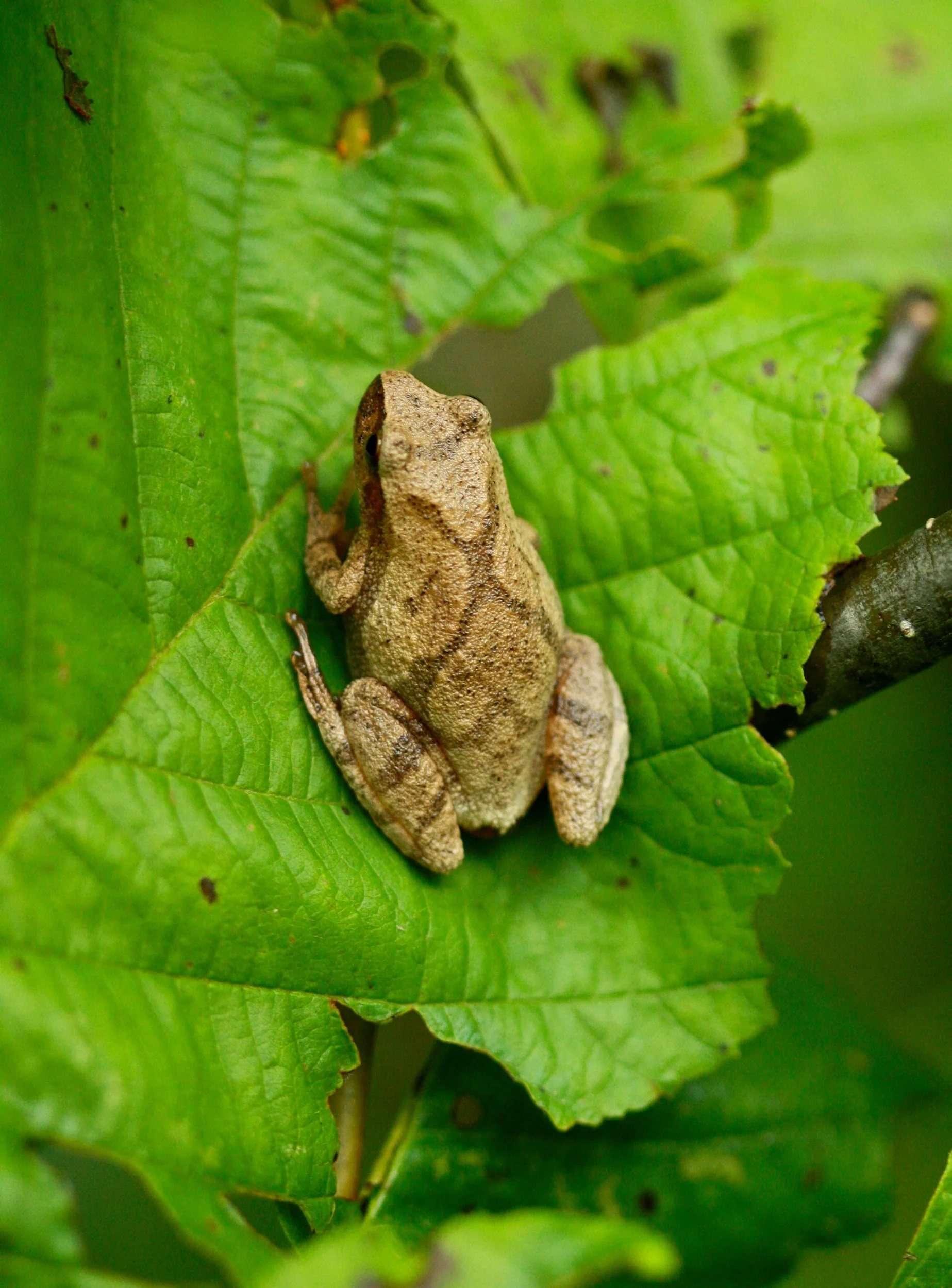
Spring Peeper
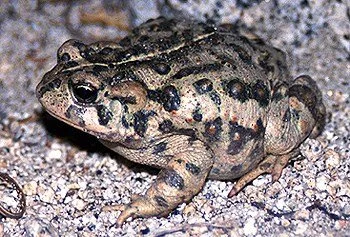
Western Toad
AMERICAN BULLFROG
The American Bullfrog (Lithobates catesbeianus) is the largest frog found in North America, known for its deep green color and distinct croaking sound. These amphibians are excellent jumpers, thanks to their powerful hind legs, allowing them to swiftly catch prey and evade predators. American Bullfrogs are semi-aquatic and can be found near freshwater sources like ponds, lakes, and marshes. They play a vital role in controlling insect populations, making them beneficial to the ecosystem. Interestingly, these frogs have an extensive vocal range and use their calls to attract mates during the breeding season. It is not uncommon to hear the booming chorus of male bullfrogs during the spring and summer months.
NORTHERN LEOPARD
The Northern Leopard Frog, scientifically known as Lithobates pipiens, is a common species of frog found across North America. This amphibian is easily recognizable by its vibrant green coloration with dark spots that resemble a leopard's markings, hence its name. Northern Leopard Frogs are semi-aquatic creatures, often found near ponds, marshes, and other freshwater habitats. They play a vital role in controlling insect populations and are an important part of the food chain for many predators. These frogs are known for their distinctive call, which sounds like a series of low snoring chuckles. Unfortunately, Northern Leopard Frog populations have been declining in recent years due to habitat loss and pollution, making conservation efforts crucial for their survival.
GREEN FROG
The Green Frog, scientifically known as Lithobates clamitans, is a common amphibian species found throughout North America. These frogs are easily identifiable by their smooth green skin, webbed feet, and distinct call that resembles a banjo string being plucked. Green Frogs prefer freshwater habitats such as ponds, lakes, and marshes where they can hunt for insects, small fish, and even smaller frogs. They play a vital role in their ecosystem by helping control populations of insects and serving as prey for larger animals. Green Frogs are fascinating creatures that are appreciated by nature enthusiasts and researchers alike for their unique characteristics and important place in the natural world.
SPRING PEEPER
Spring peepers, scientifically known as Pseudacris crucifer, are small tree frogs commonly found in the eastern United States and Canada. These tiny frogs are named after their high-pitched peeping calls, which can be heard in wetlands, wooded areas, and grassy fields during the spring months. Spring peepers have distinct X-shaped markings on their backs, which help camouflage them among the vegetation. These nocturnal amphibians play a vital role in their ecosystems by feeding on insects, including mosquitoes, making them a natural form of pest control. Spring peepers also serve as an important food source for many predators, contributing to the local food chain dynamics.
PACIFIC CHORUS
The Pacific chorus frog, also known as the Pacific tree frog, is a small amphibian native to the Pacific Northwest region of North America. This frog species is known for its iconic ribbit sound that can be heard during the spring and summer months near ponds, wetlands, and other freshwater habitats. Pacific chorus frogs are quite adaptable and can be found in a variety of environments, from forests and grasslands to urban areas. They are typically green or brown in color, with dark stripes or markings that help camouflage them from predators. These frogs play a vital role in the ecosystem by consuming insects and serving as a food source for larger predators.
WESTERN TOAD
The western toad, also known as Anaxyrus boreas, is a fascinating amphibian native to western North America. These toads can be found in various habitats, including forests, grasslands, and even deserts. They are known for their distinctive dry, warty skin and varying shades of green, brown, or reddish coloration, providing camouflage from predators. Western toads play a vital role in controlling insect populations, making them beneficial to have in garden and outdoor spaces. During the breeding season, typically in the spring, these toads migrate to breeding ponds or marshes where females lay long strings of eggs. Despite facing threats such as habitat destruction and pollution, conservation efforts aim to protect the western toad population for future generations to enjoy observing these unique creatures in the wild.