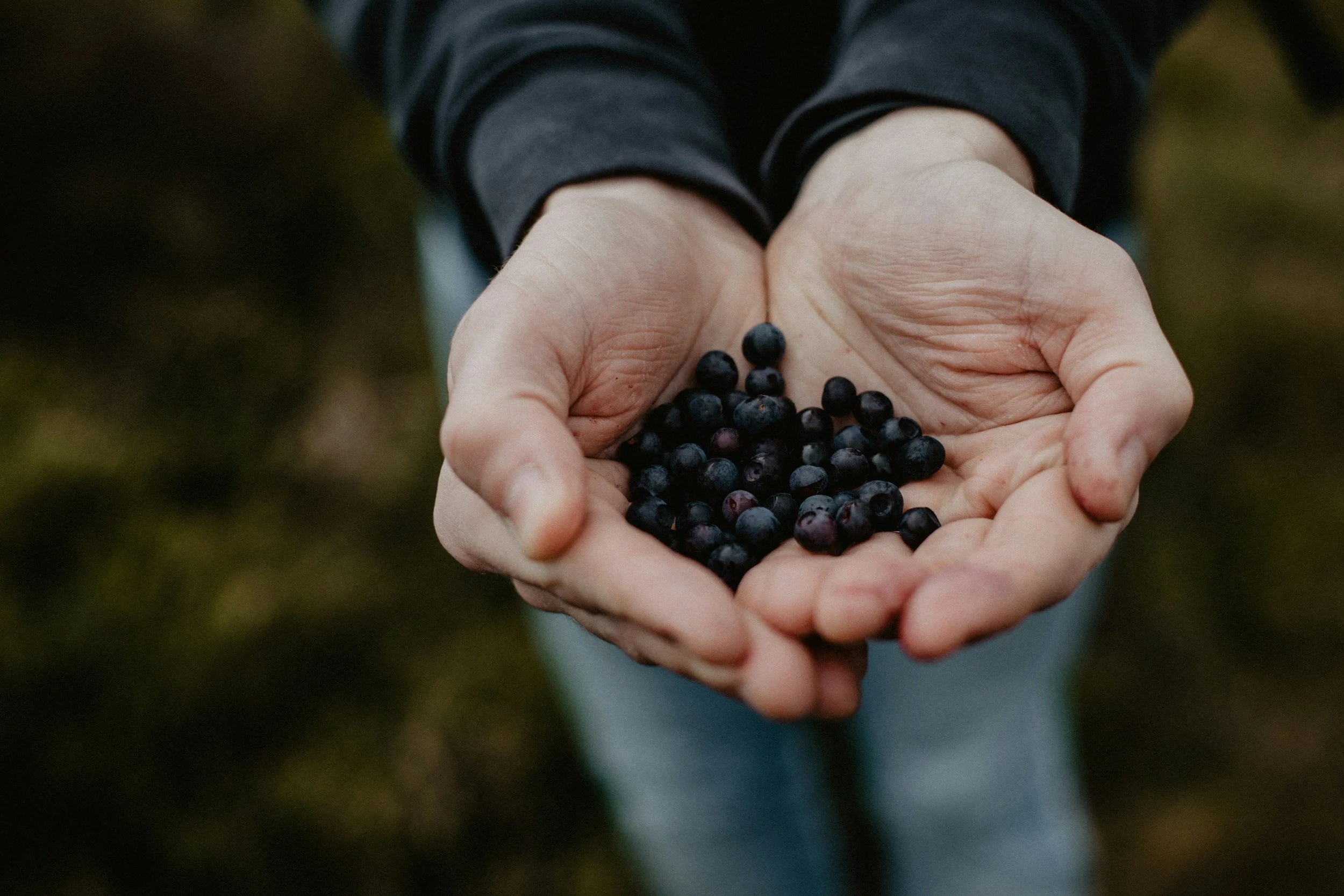
Foraging
Beginners Guide to Foraging
Foraging, the act of searching for wild food resources, can be a rewarding and sustainable way to connect with nature. Here are some tips for beginners looking to start foraging:
1. Educate Yourself: Before heading out to forage, take the time to educate yourself about the plants and mushrooms in your area. Invest in guidebooks or attend workshops led by experienced foragers to learn about what is safe to eat and what to avoid.
2. Start with Easy-to-Identify Plants: Beginners should start by focusing on easily identifiable plants such as dandelions, blackberries, and wild garlic. Avoid any plants with look-alike poisonous counterparts.
3. Respect Nature: When foraging, it's crucial to respect nature and the environment. Only take what you need and never pick endangered species or disturb wildlife habitats.
4. Obtain Permission: If you're foraging on private land or in a park, make sure to obtain permission from the landowner or relevant authorities before harvesting any wild plants.
5. Stay Safe: Be cautious and never consume any wild plants unless you are 100% certain of their identification. Some plants can be toxic and cause adverse reactions.
6. Harvest Ethically: Harvest in a sustainable manner by only taking a small portion of the plant population, allowing them to continue growing and providing food for wildlife.
Remember, foraging is a skill that improves with practice. Start by familiarizing yourself with a few safe species and gradually expand your knowledge as you gain more experience in identifying edible wild plants.