ESSENTIAL SKILLS
10 IMPORTANT Skills Every Camper Should Have
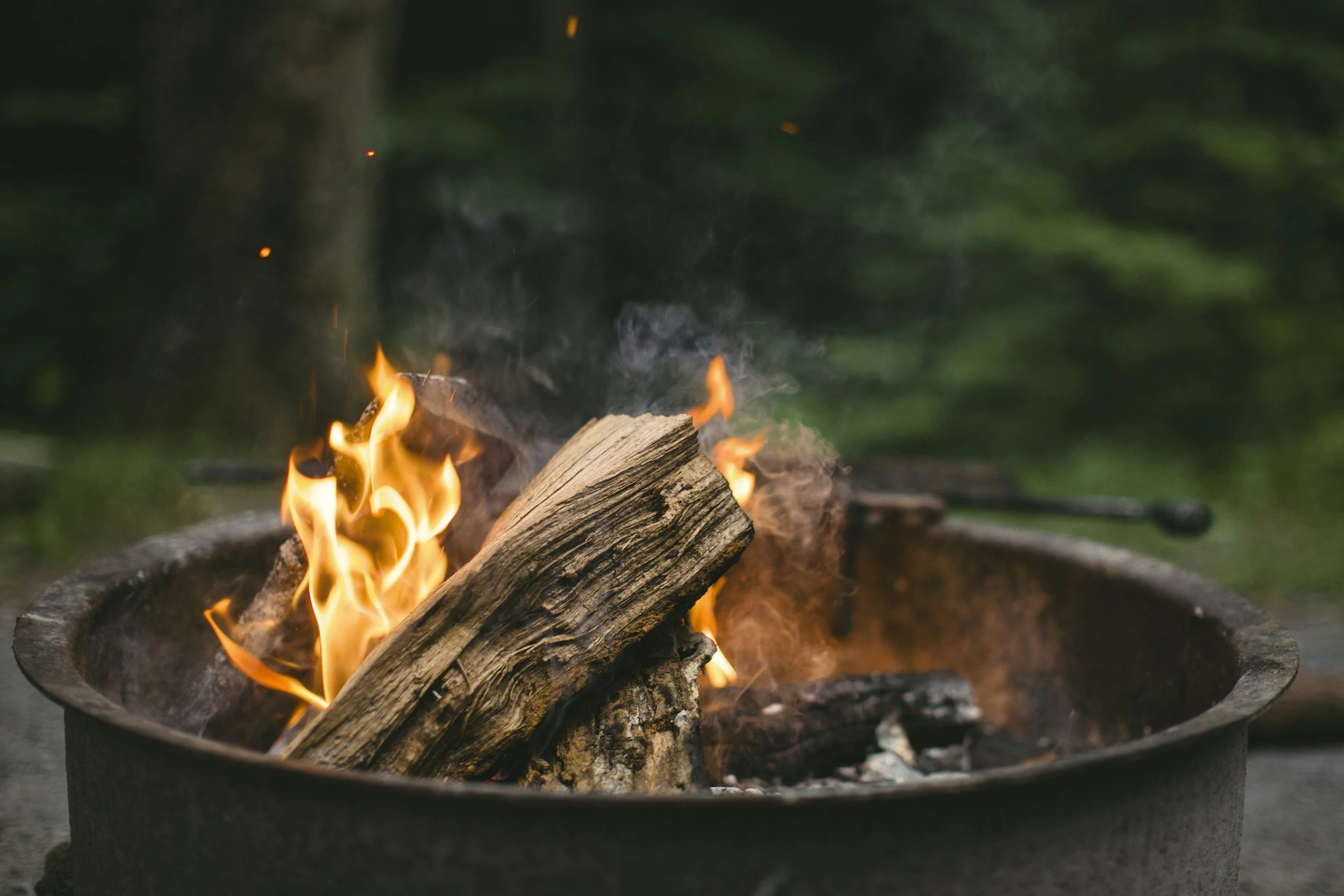
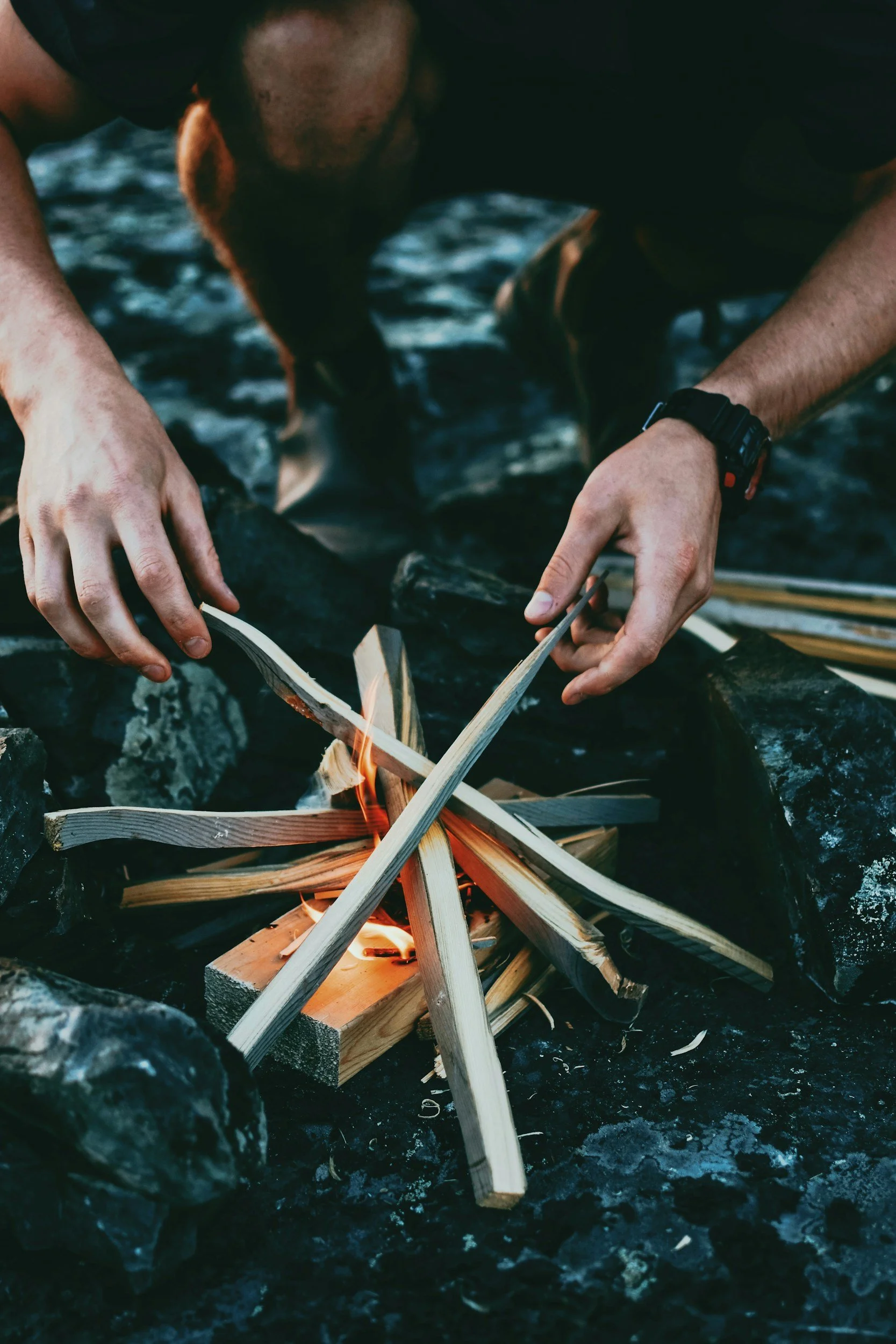
Fire Starting: Starting a fire is vital for cooking, warmth, and repelling bugs. Use matches, lighters, or fire starters.
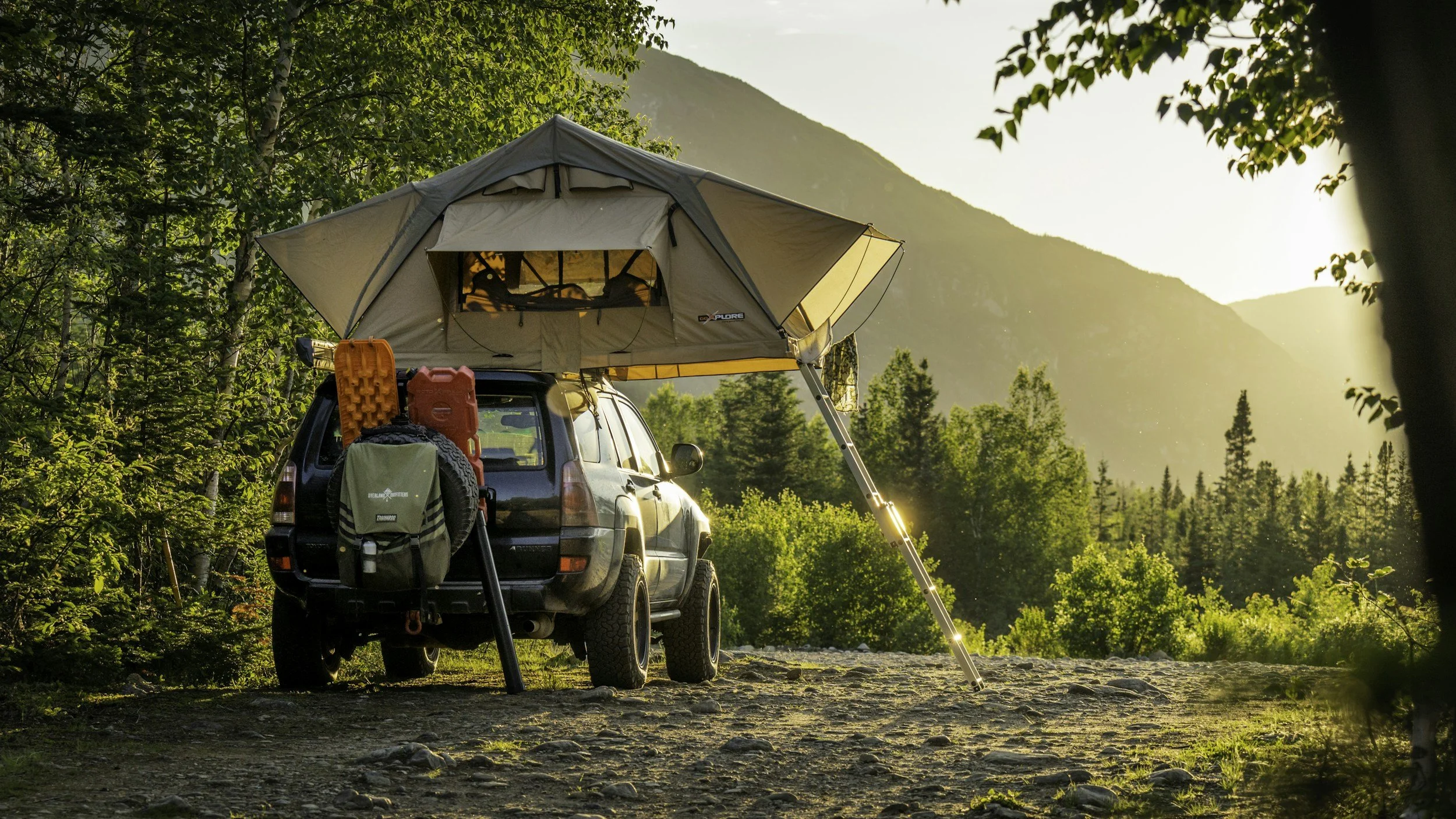
Setting Up Camp: Setting up tent, sleeping bag, outdoor space is crucial for camping.
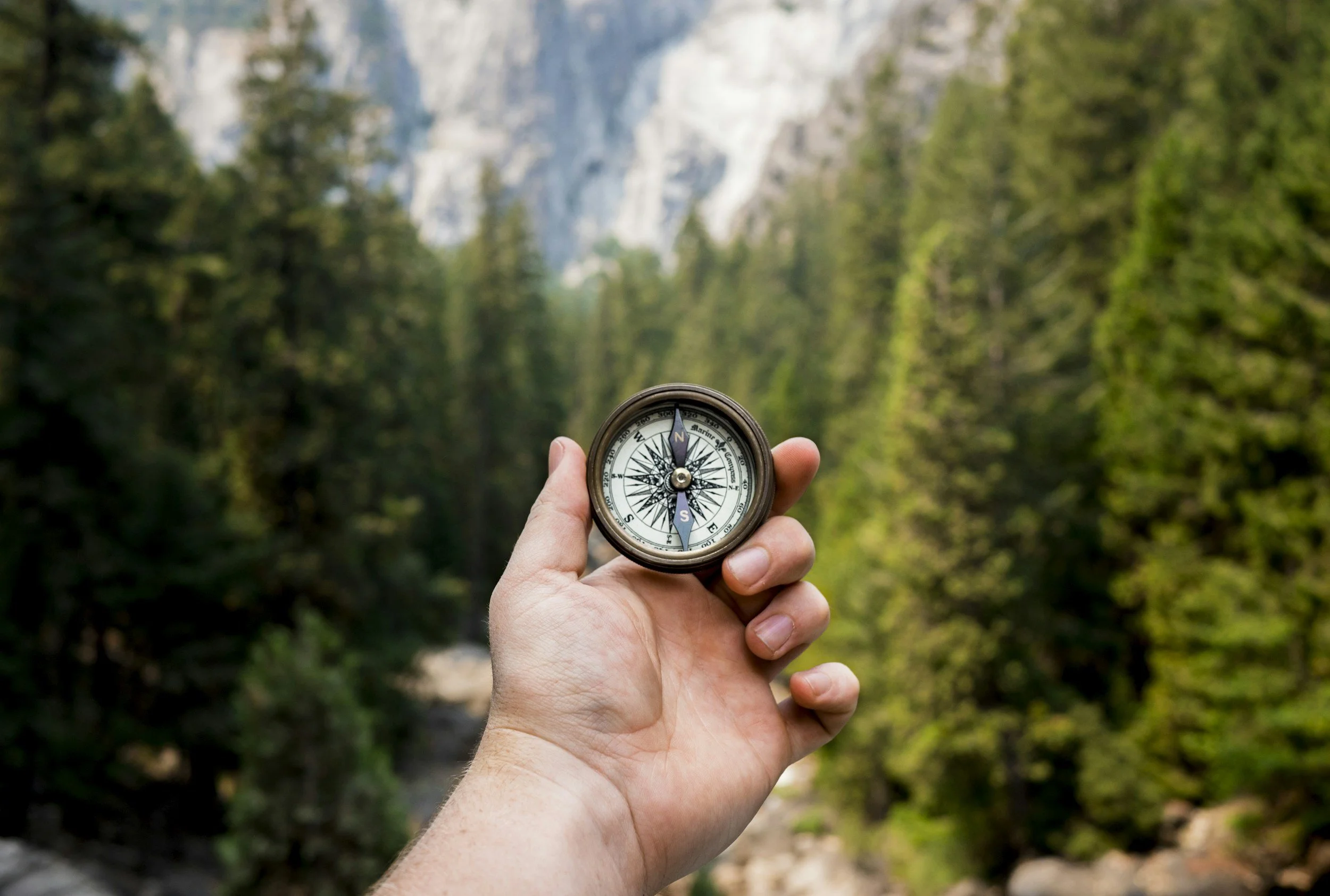
Navigating: Understanding how to read a map, use a compass, and navigate trails will prevent getting lost in the wilderness.
First Aid: Having basic first aid knowledge for treating cuts, burns, and insect bites can help a lot in emergencies.
Cooking Over a Campfire: Mastering the art of cooking meals over a campfire or portable stove adds to the camping experience.
Water Purification: Knowing how to purify water from natural sources to make it safe for drinking is vital for staying hydrated.
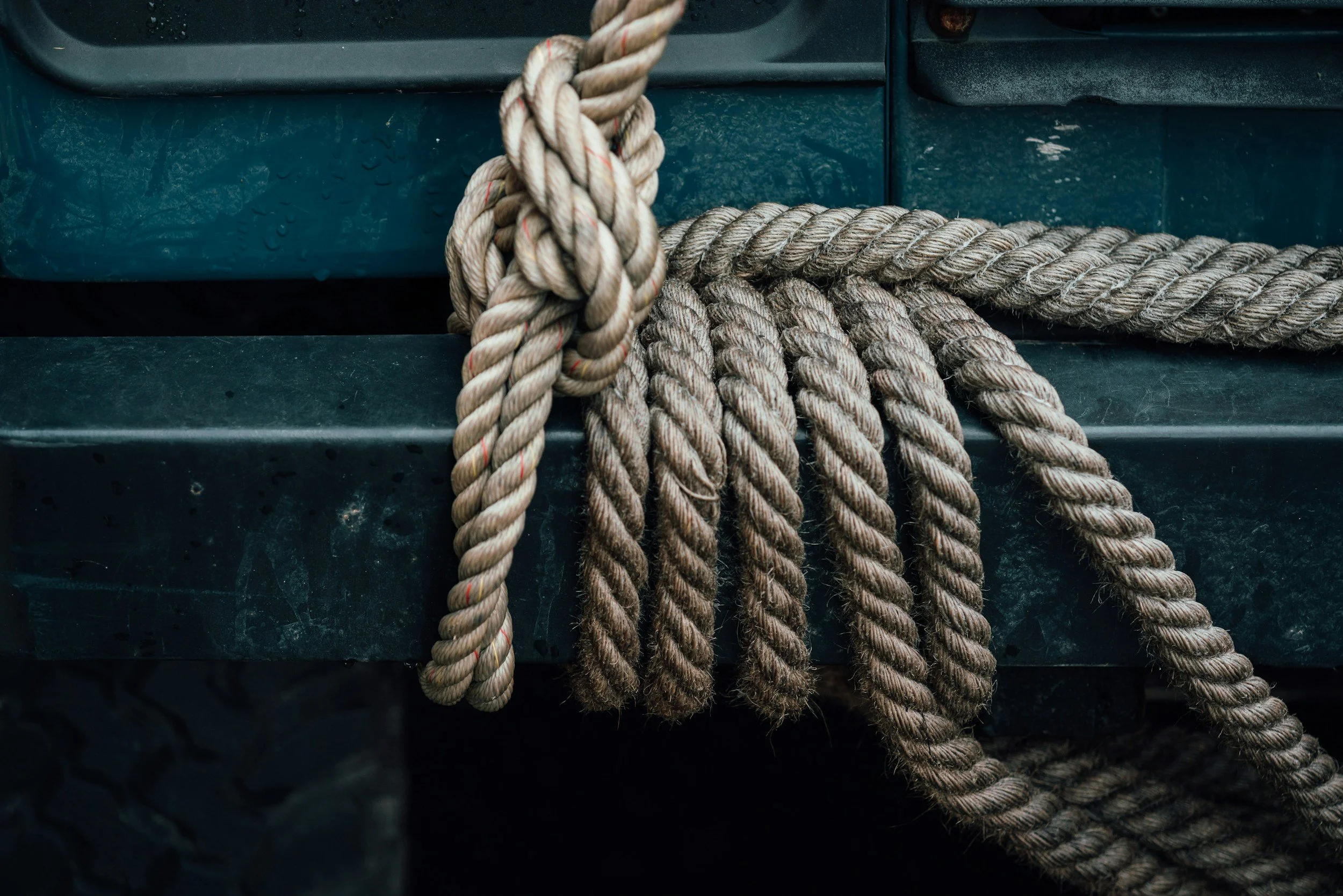
Knot Tying: Learning various knots for securing tents, hanging food away from wildlife, or setting up tarps is a valuable skill.
Leave No Trace Principles: Adopting principles like carrying out trash and reducing impact on the environment helps protect nature.
Basic Repair Skills: Repairing simple gear issues like a ripped tent or a damaged zipper can prevent minor problems from ruining a trip.
Wildlife Awareness: It's important for campers to understand wildlife, recognize animal tracks, and store food securely to stay safe.
( 1 ) HOW-TO BUILD A FIRE
Choose a location: Select a level spot away from overhanging branches, dry grass, or other flammable objects. Use a fire ring or build a small pit with rocks to contain the fire.
Gather materials: Collect tinder (small sticks, dry leaves, or bark), kindling (larger sticks or twigs), and fuel wood (larger logs). Make sure your wood is dry to help the fire catch quickly.
Arrange your materials: Create a tinder bundle in the center of your fire ring. Place kindling around the tinder in a teepee or log cabin shape, leaving space for air to flow.
Light the fire: Use matches or a lighter to ignite the tinder. Blow lightly on the flames to help them spread to the kindling. Add more kindling as needed to build the fire.
Feed the fire: Once the kindling is burning steadily, gradually add larger pieces of fuel wood to the fire. Continue to feed the fire with wood to keep it burning.
Maintain the fire: As the fire burns, shift the wood around occasionally to ensure even burning. Avoid adding too much wood at once, as this can smother the fire.
Extinguish the fire: When you're done enjoying the fire, allow it to burn down to ashes. Pour water over the fire and stir the ashes to ensure it is completely out. Never leave a fire unattended.
( 2 ) HOW TO SET UP YOUR CAMPING SPOT
Choosing the Perfect Spot
Look for flat ground to pitch your tent.
Consider proximity to water sources and bathrooms.
Check for a level surface to sleep on.
Setting Up Your Tent
Lay down a tarp or footprint to protect the tent floor.
Assemble the tent according to the instructions.
Ensure the rainfly is properly secured for weather protection.
Organizing Your Gear
Use storage bins or bags to keep gear organized.
Keep frequently used items easily accessible.
Store food securely to prevent attracting wildlife.
Building a Campfire
Check fire regulations before starting a fire.
Clear the fire pit area of any debris.
Use rocks to create a fire ring for safety.
Creating a Cozy Outdoor Living Space
Bring comfortable chairs or portable seating.
Set up a table for cooking and eating.
Use outdoor mats to define different areas of your campsite.
Extra Tips
Hang a lantern or string lights for nighttime ambiance.
Keep insect repellent and sunscreen handy.
Leave no trace: clean up your campsite before you leave.
( 3 ) Learn to Navigate
Study the Map: Before heading out, familiarize yourself with the map of the camping area. Note key landmarks, water sources, and your intended route.
Use a Compass: A reliable compass is a crucial tool for navigation. Learn how to orient yourself using the compass and map together.
Identify Natural Markers: Look for natural indicators like mountains, rivers, and rock formations to aid in orientation.
Pay Attention to the Sun: The sun rises in the east and sets in the west. Use this knowledge to roughly determine directions during the day.
Learn Basic Navigation Skills: Understand concepts like reading contours on a map, estimating distances, and recognizing different types of terrain.
Mark Your Trail: As you hike, mark your trail with conspicuous signs like stacked rocks or ribbons to help you find your way back.
Stay Updated: Be aware of your surroundings at all times. Take note of any changes in landscape or weather conditions that could affect your navigation.
Practice Navigation: Before embarking on complex camping trips, practice your navigation skills in familiar terrain to build confidence.
( 4 ) First Aid Basics for Camping
First Aid Kit: Always carry a well-stocked first aid kit that includes band-aids, gauze pads, adhesive tape, antiseptic wipes, tweezers, scissors, pain relievers, and any necessary personal medications.
CPR and Rescue Breathing: It is advisable to learn CPR (Cardiopulmonary Resuscitation) and rescue breathing techniques in case of cardiac arrest or respiratory emergencies.
Wound Care: Cleanse wounds with antiseptic wipes or clean water, apply an antibiotic ointment, and cover with a sterile bandage to prevent infection.
Sprains and Strains: Use the R.I.C.E. method - Rest, Ice, Compression, Elevation - for treating sprains and strains to reduce swelling and promote healing.
Insect Bites and Stings: Remove stingers by scraping them off with a credit card, wash the area with soap and water, apply a cold compress, and consider taking an antihistamine for itching or swelling.
Heat-Related Illnesses: Stay hydrated, seek shade, and wear light clothing to prevent heat exhaustion or heatstroke. If someone shows signs of heat-related illnesses, move them to a cooler place and apply cold packs.
Hypothermia: Keep warm and dry in cold weather to prevent hypothermia. If someone shows signs of severe shivering, confusion, slurred speech, or drowsiness, seek medical help immediately.
Snake Bites: Keep the affected area immobilized below the heart, remove tight clothing or jewelry, and seek medical assistance as soon as possible.
( 5 ) How to Cook Over a Campfire Like a Pro
Cooking over a campfire can be a delightful experience when done right. Here are some tips to help you master the art of campfire cooking:
1. Choose the Right Spot: Select a flat spot away from any overhanging branches or bushes. Make sure the fire is allowed at your campsite and use a designated fire pit if available.
2. Gather High-Quality Firewood: Use dry, seasoned hardwood like oak or maple for your campfire. Avoid softwoods like pine, as they can create excess smoke and impart a resinous flavor to your food.
3. Build the Fire Correctly: Start with kindling to get the fire going, then gradually add larger pieces of wood. Create a stable base and consider using a simple fire lay like teepee or log cabin for better airflow.
4. Use the Right Cookware: Pack lightweight but durable cookware for your trip. Cast iron pans, griddles, and Dutch ovens are excellent choices for campfire cooking.
5. Preparing Ingredients: Prep ingredients ahead of time to make cooking at the campsite easier. Consider marinating meats or chopping vegetables at home before your trip.
6. Cooking Techniques: Use long-handled utensils to cook over the fire safely. Rotate food regularly for even cooking and keep a close eye on the heat to prevent burning.
7. Practice Fire Safety: Always have a way to extinguish the fire quickly, whether with water or sand. Never leave the fire unattended, and let it burn down to embers before disposing of it properly.
( 6 ) WATER PURIFICATION
When camping outdoors, it is essential to ensure that the water you consume is safe and free from harmful bacteria or parasites. Here are some simple methods to purify water during your camping trip:
Boiling: One of the most effective ways to purify water is by boiling it. Bring the water to a rolling boil for at least one minute (three minutes at higher altitudes) to kill off any pathogens.
Water Filtration: Using a portable water filter or purification system is another convenient method. These devices can remove bacteria, protozoa, and other contaminants from water sources.
Chemical Tablets: Water purification tablets or drops are easy to use and handy for camping. Follow the instructions on the product packaging for the correct dosage and wait time before consuming the water.
UV Light: UV light pens or devices can also be used to purify water by neutralizing pathogens. Simply follow the manufacturer's instructions for the recommended treatment time.
Improvised Filter: In a pinch, you can create an improvised filter using layers of cloth, sand, and charcoal. This method can help remove larger particles and some bacteria from the water.
Remember, always try to collect water from flowing sources like streams or rivers, as they are less likely to be stagnant and contaminated. Avoid water near industrial sites or agricultural areas. Stay hydrated and stay safe during your camping adventures!
( 7 ) THE ART OF KNOT TYING
Knot tying is crucial for outdoor activities like fishing, camping, and hiking. Knowing how to tie different knots is essential for tasks such as setting up a tent, securing gear, fishing, and first aid. Each knot has a specific purpose, like making loops or joining ropes. Being good at knot tying helps outdoor lovers stay safe, do more, and enjoy nature. Learning the proper ways to tie knots is important for keeping gear safe and activities running well outdoors.Here are a few example scenarios of when knot tying can be very useful:
Hanging a bear bag to store food away from the campsite.
Creating a clothesline for drying wet clothes or towels.
Tying guy lines to stabilize a tent in uneven terrain.
Joining two ropes together to extend the length for a specific task.
Building a makeshift splint for first aid emergencies.
Securing a boat or kayak to a dock or tree.
Making a ladder or climbing aid with ropes and sticks.
Rigging a makeshift shelter using a tarp and branches.
Setting up a hammock for relaxing in the campsite.
Securing a tarp over a tent during windy weather.
( 8 ) Leave No Trace Principles
Plan Ahead and Prepare: Research the area you will be visiting, pack the necessary equipment, and plan your activities to minimize impact on the environment.
Travel and Camp on Durable Surfaces: Stick to established trails and campsites to avoid damaging vegetation and soil.
Dispose of Waste Properly: Pack out all trash, leftover food, and litter. Dispose of waste in designated receptacles or take it with you.
Leave What You Find: Leave rocks, plants, and historical artifacts as you found them to preserve the natural environment for others.
Minimize Campfire Impact: Use a stove for cooking instead of making a campfire. If a campfire is necessary, use established fire rings and keep it small.
Respect Wildlife: Observe animals from a distance and avoid feeding them. Store food securely to prevent wildlife encounters.
Be Considerate of Other Visitors: Respect other hikers and campers by keeping noise levels down and yielding the trail to others.
Remember, by following these principles, we can all enjoy the outdoors responsibly and help preserve our natural resources for future generations.
(9) Basic Repair Skills
Seam Repair on Tents: Learning how to properly fix a torn seam on your tent can prevent leaks during unexpected rain showers. Use a seam sealer or repair tape for a quick fix in the outdoors.
Zipper Replacement: Zippers on camping gear can often malfunction. Knowing how to replace a zipper on a tent or backpack can be a lifesaver. Keep a repair kit with extra zippers handy.
Gear Patching: Being able to patch up holes or tears in gear such as sleeping bags or backpacks can prolong their lifespan. Use repair patches and adhesive specific to the material.
Understanding Knots: Knowing a few essential knots like the bowline, clove hitch, and square knot can help with various repairs and setups while camping. Practice tying these knots before your trip.
Flashlight Maintenance: Keep your camp flashlight in working condition by knowing how to change batteries, replace bulbs, and clean the contacts. A reliable light source is crucial in the dark.
Tent Pole Repair: Familiarize yourself with fixing or splinting a damaged tent pole. Carry a repair sleeve or duct tape to mend a broken pole temporarily.
Waterproofing Gear: Understand how to properly re-waterproof your rain gear, tent, and backpack. Utilize waterproofing sprays or wash-in treatments to maintain gear effectiveness.
(10) A Guide to Wildlife Awareness
When camping, it is important to be aware of the wildlife around you to ensure a safe and enjoyable experience. Here are some tips to help you stay safe and protect the wildlife:
Research Beforehand: Learn about the wildlife in the area you will be camping in. Know what animals are common in that region and what to do if you encounter them.
Food Storage: Keep your food stored securely in bear-proof containers or hung high between trees to prevent attracting wildlife, especially bears and other scavengers.
Keep a Clean Campsite: Properly dispose of your trash and food scraps. Clean up after meals and store anything with a scent away from your sleeping area.
Respect Their Space: Do not approach or feed wild animals. Keep a safe distance and never try to touch or interact with them.
Make Noise: Make noise while hiking to alert animals of your presence and avoid surprising them. This is particularly important in areas with dense vegetation or poor visibility.
Do Not Leave Pets Unattended: If you bring pets camping, keep them on a leash and supervised at all times. Pets can provoke wildlife or get lost.
Be Prepared: Carry bear spray, a whistle, and know how to use them in case of an encounter. Also, have a first aid kit handy for any wildlife-related incidents.
Respect the Environment: Leave no trace of your visit. Minimize your impact on the ecosystem and respect wildlife habitats.
By following these tips, you can ensure a safe and respectful experience with wildlife while camping. Enjoy your time in nature while being mindful of the animals that call it home.