BUTTERFLIES
MOST COMMON IN AMERICA
When camping or hiking in America, you are likely to encounter some common butterflies native to different regions of the country, such as the Monarch butterfly, the Eastern Tiger Swallowtail, the Cabbage White butterfly, the Painted Lady butterfly, and the Mourning Cloak butterfly. These beautiful creatures contribute to the natural beauty of the outdoors with their vibrant colors and graceful flight patterns, enhancing the overall experience of being in nature.
MONARCH
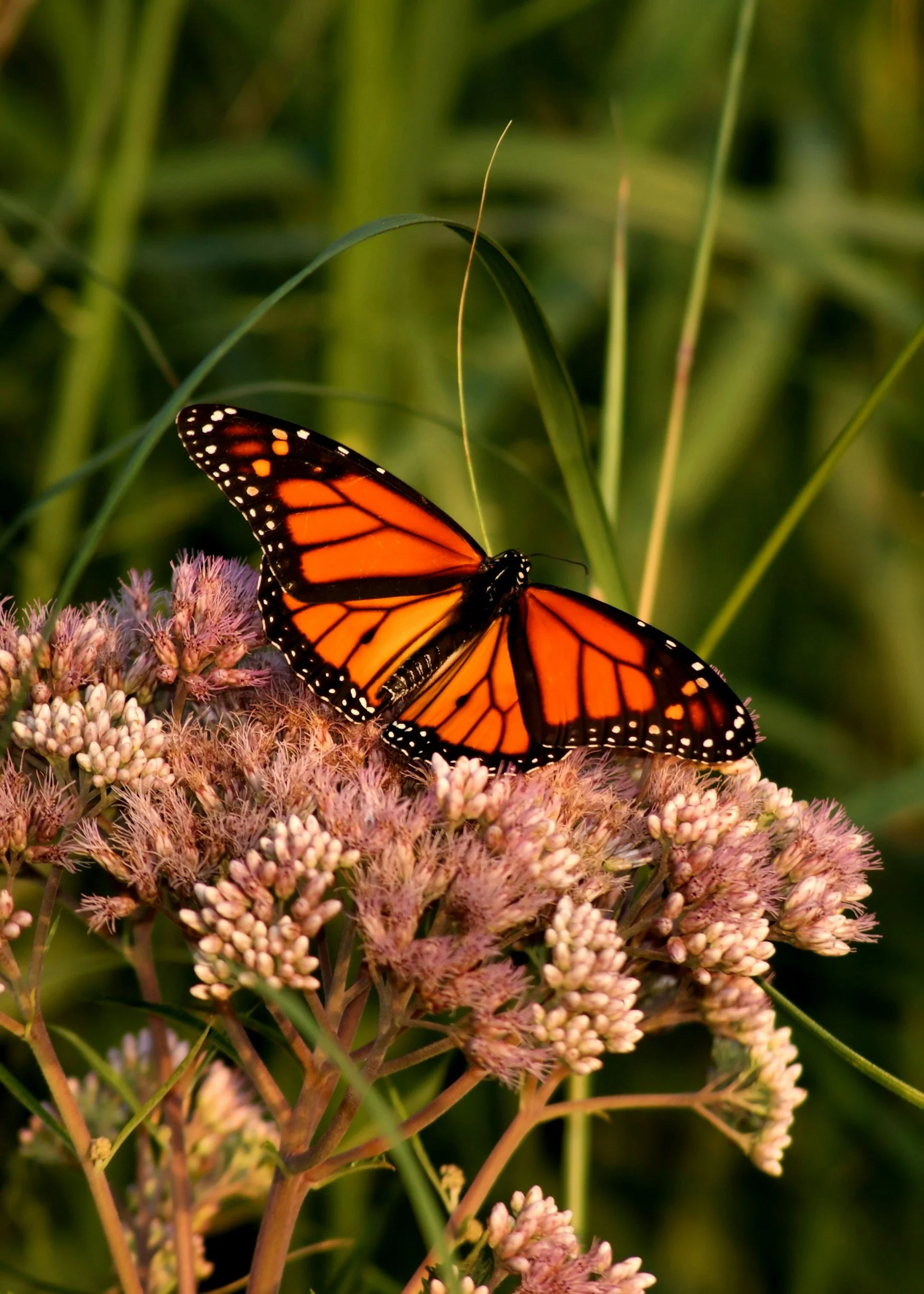
Monarch butterflies (Danaus plexippus) are well-known for their distinct orange, black, and white patterned wings. These iconic insects play a crucial role in the ecosystem as both pollinators and indicators of environmental health.
Monarch butterflies are particularly important for their role in pollination. As they feed on nectar from various flowers, they inadvertently transfer pollen from one plant to another, aiding in the fertilization and reproduction of flowering plants. This process is essential for the production of fruits, seeds, and new plants, ultimately supporting biodiversity and ecosystem stability.
Furthermore, the annual migration of monarch butterflies is a natural wonder that spans thousands of miles. Each year, millions of monarchs undertake a remarkable journey from North America to overwintering sites in Mexico. This migration not only showcases the impressive navigational skills of monarch butterflies but also highlights the interconnectedness of habitats across borders.
However, monarch butterflies face numerous threats that jeopardize their populations. Loss of habitat, climate change, pesticide use, and other human activities have significantly impacted monarch butterfly numbers in recent years. The decline in monarch populations serves as a stark reminder of the challenges facing many pollinators and the urgent need for conservation efforts.
To protect monarch butterflies and ensure their important role in the ecosystem, conservation actions are essential. Planting native milkweed species, which serve as the sole food source for monarch caterpillars, creating butterfly-friendly habitats, reducing pesticide use, and supporting monarch butterfly research and conservation initiatives are crucial steps in safeguarding these majestic insects for future generations.
EASTERN TIGER SWALLOWTAIL
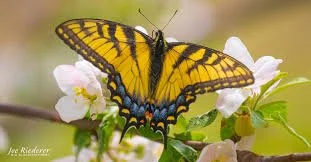
The Eastern swallowtail, scientifically known as Papilio glaucus, is a stunning species of butterfly abundant in Eastern North America. Its distinct yellow and black wings, often adorned with blue spots on females, make it a captivating sight. These butterflies are recognized for their elegant flight styles and favor habitats like gardens, meadows, and forests. Vital to pollination, they contribute by feeding on nectar from a variety of flowers. For nature lovers who relish wildlife observation, spotting the Eastern swallowtail in Eastern North America during the spring and summer is a rewarding experience.
CABBAGE WHITE
The Cabbage White Butterfly (Pieris rapae) is a common pest in gardens across North America. These butterflies lay their eggs on plants in the cabbage family, such as broccoli, kale, and, of course, cabbage. The larvae, known as cabbage worms, feed on the leaves of these plants, causing damage to crops.
One way to control the population of Cabbage White Butterflies in your garden is by regularly inspecting the undersides of leaves for their tiny yellow eggs. By removing these eggs promptly, you can prevent infestations before they begin.
Additionally, planting decoy crops like nasturtiums can help deter these butterflies from laying eggs on your valuable vegetables. Nasturtiums attract the butterflies and provide an alternative location for them to lay their eggs, keeping your cabbage family plants safe.
By being proactive and implementing these strategies, you can protect your garden from the destructive impact of the Cabbage White Butterfly.
PAINTED LADY
The painted lady butterfly (Vanessa cardui) is renowned for its extensive geographic range and seasonal migrations. Its striking orange and black wing patterns make it a frequent visitor in North America, Europe, Asia, and Africa. These butterflies, with a wingspan averaging about 2 inches, sustain themselves by sipping nectar from a diverse array of flowers. Their yearly migratory journeys span thousands of miles, establishing them as among the most well-traveled butterfly species globally. Witnessing the graceful flight of a painted lady butterfly brings immense joy to nature lovers and photography enthusiasts alike.
MOURNING CLOAK
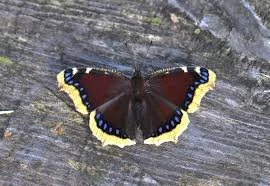
The Mourning Cloak butterfly, scientifically known as Nymphalis antiopa, is a stunning insect native to North America. This butterfly is easily recognizable by its dark wings bordered with vibrant blue and yellow spots. The wingspan of the Mourning Cloak butterfly can range from 2.75 inches to 4 inches, making it a sizable presence in any outdoor setting.
One interesting fact about the Mourning Cloak butterfly is its exceptional lifespan compared to other butterfly species. While many butterflies live for only a few weeks, the Mourning Cloak butterfly can survive for up to 11 months in adulthood. This longevity is due to their ability to hibernate during the winter months, emerging in the spring to mate and start the life cycle anew.
In terms of habitat, the Mourning Cloak butterfly prefers wooded areas, parks, and gardens where it can find ample sources of sap, fermenting fruit, and nectar from flowers like milkweed, dandelions, and asters. Despite their delicate appearance, Mourning Cloak butterflies are resilient and can adapt to various environments, making them a common sight across North America.
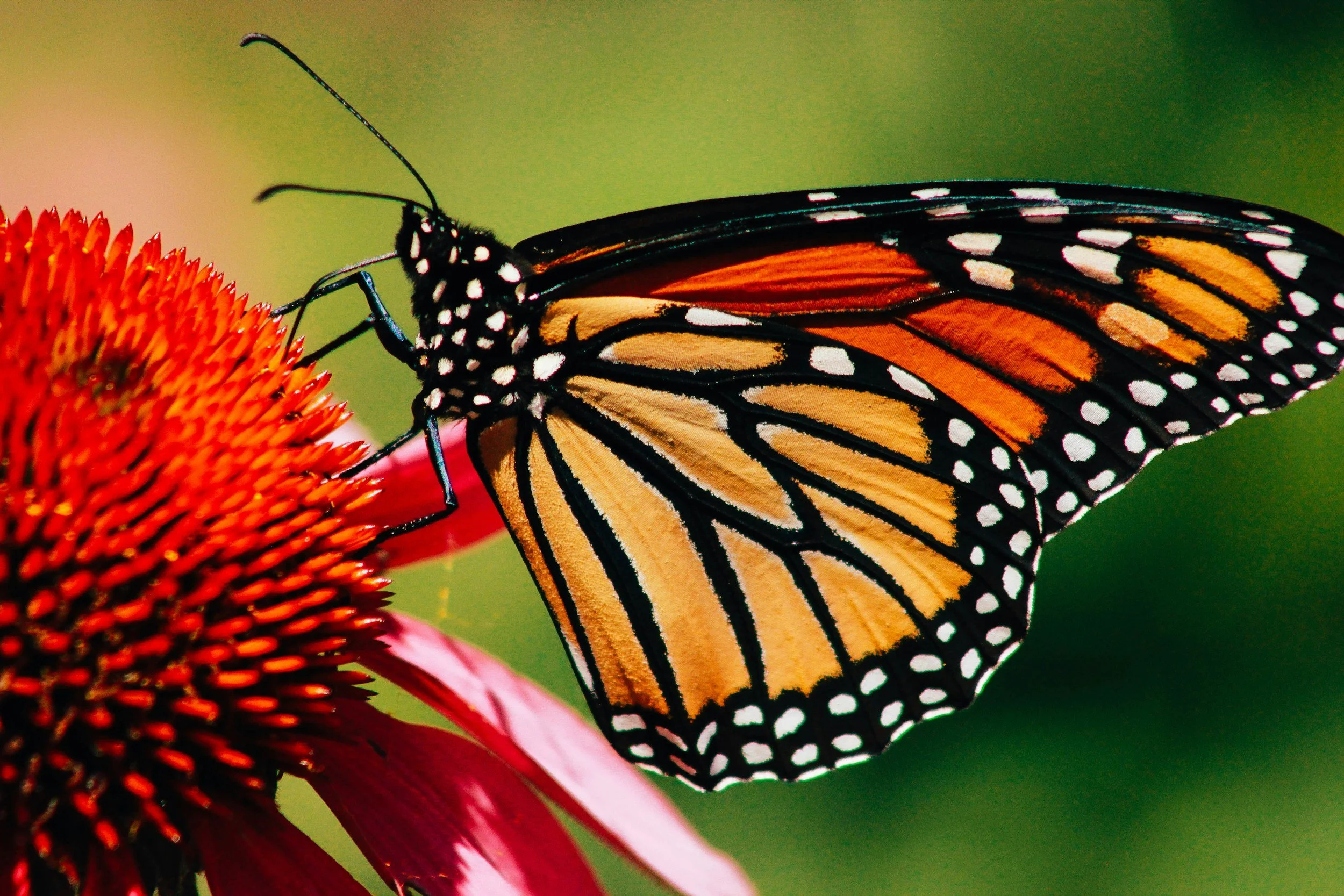
Monarch
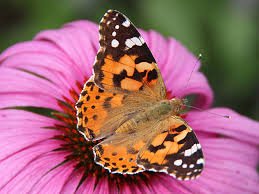
Painted Lady
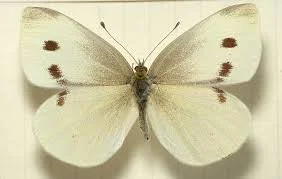
White Cabbage
Eastern Tiger Swallowtail