BEARS
Black Bears
Black bears (Ursus americanus) are large mammals that are native to North America. They are widely distributed across the continent, inhabiting various types of forests, mountains, and wetlands. Black bears are known for their black or dark brown fur, but they can also be found in shades of cinnamon and even white in some regions.
These omnivorous creatures have a varied diet that includes berries, nuts, insects, fish, and small mammals. Black bears are opportunistic feeders and will often forage for food in both natural and human-made environments. This behavior sometimes leads to conflicts with humans, especially in areas where their habitats overlap.
Despite their name, black bears can also have brown fur, and their size can vary significantly depending on their location and access to food. Adult black bears typically weigh between 200 to 600 pounds, with males (boars) being larger than females (sows). They have strong limbs with sharp claws that make them excellent climbers and swimmers.
Black bears are generally shy and elusive animals, but they can become aggressive if they feel threatened or if they are defending their cubs. It is important to exercise caution and avoid surprising a black bear in the wild. If encountered, it is advisable to speak calmly, back away slowly, and not make direct eye contact.
In the United States, black bears are protected in many areas to conserve their populations and habitats. Conservation efforts focus on managing human-bear conflicts, protecting critical habitats, and promoting coexistence strategies. Education plays a crucial role in raising awareness about black bears and how to safely interact with them in the wild.
Overall, black bears are fascinating creatures that play a vital role in the ecosystem. By understanding their behavior and habitat needs, we can better appreciate and protect these iconic symbols of the wilderness.
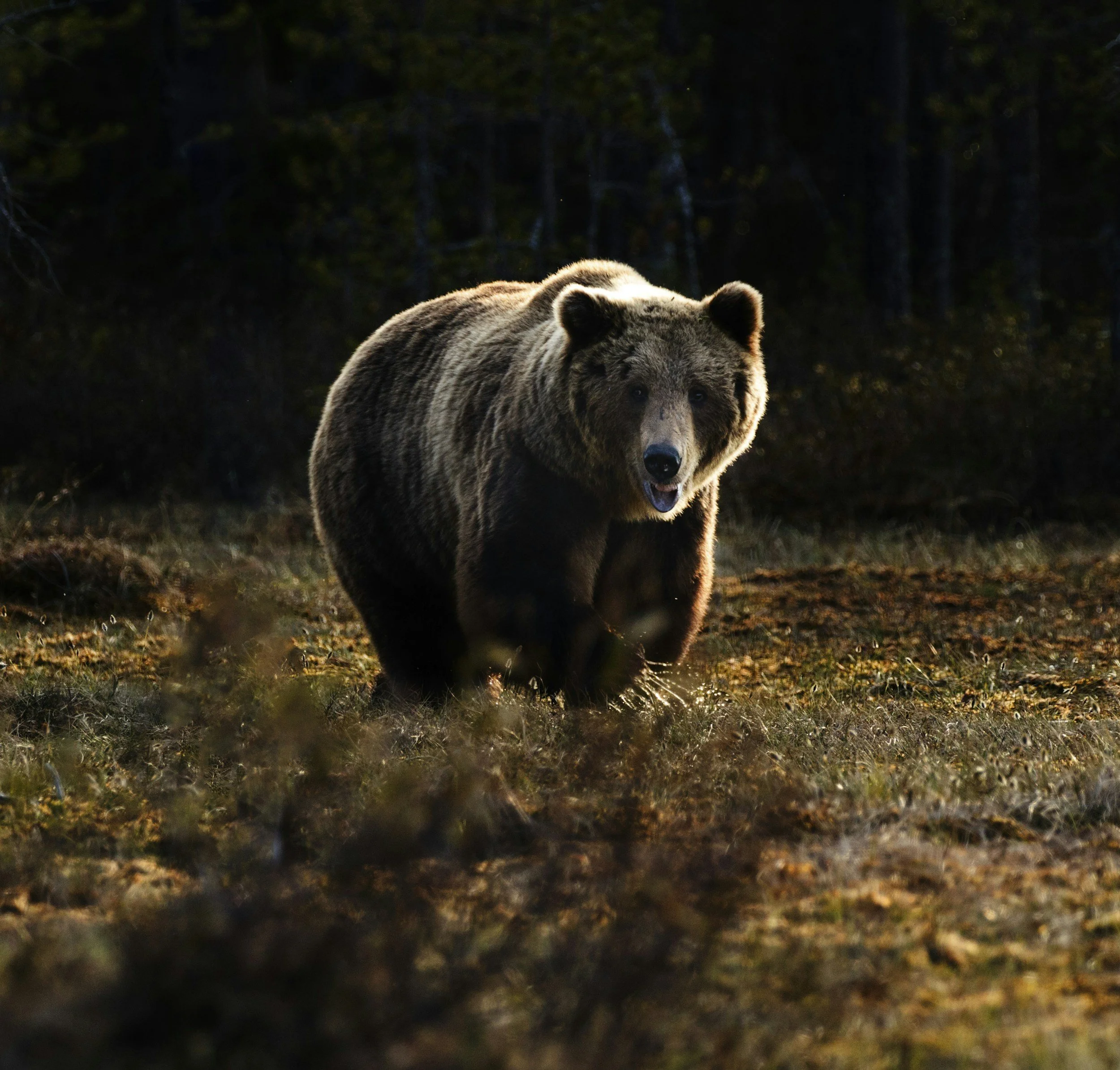
GRIZZLY BEARS
Grizzly bears, scientifically known as Ursus arctos horribilis, are powerful mammals native to North America. They are among the largest carnivores on the continent, with adult males typically weighing between 300 to 700 pounds and measuring around 6 to 7 feet in length. These magnificent creatures are easily distinguished by the distinctive hump on their shoulders, which is a mass of muscles that gives them the strength for digging and running.
Grizzly bears have a wide range of habitats, including forests, meadows, and mountains. They are excellent swimmers and can also be found near rivers and streams, where they fish for salmon during the spawning season. Known for their keen sense of smell, grizzlies have a diet that varies depending on the region and season, consisting of nuts, berries, roots, insects, small mammals, and carrion.
Despite their massive size and formidable appearance, grizzly bears are typically solitary animals, except for mothers with cubs or during the mating season. Females, also called sows, give birth to one to three cubs during the winter and nurture them for up to two years, teaching them essential survival skills before they go off on their own.
It is crucial to note that grizzly bears are a species that demands respect and caution. Encounters with these bears can be dangerous, especially if they feel threatened or surprised. Due to habitat loss, climate change, and human activities, conflicts between humans and grizzlies have increased in recent years.
Conservation efforts, such as habitat protection, bear-proof food storage, and education on how to behave in bear country, are essential to ensuring the survival of these majestic animals for future generations to appreciate and admire from a safe distance.
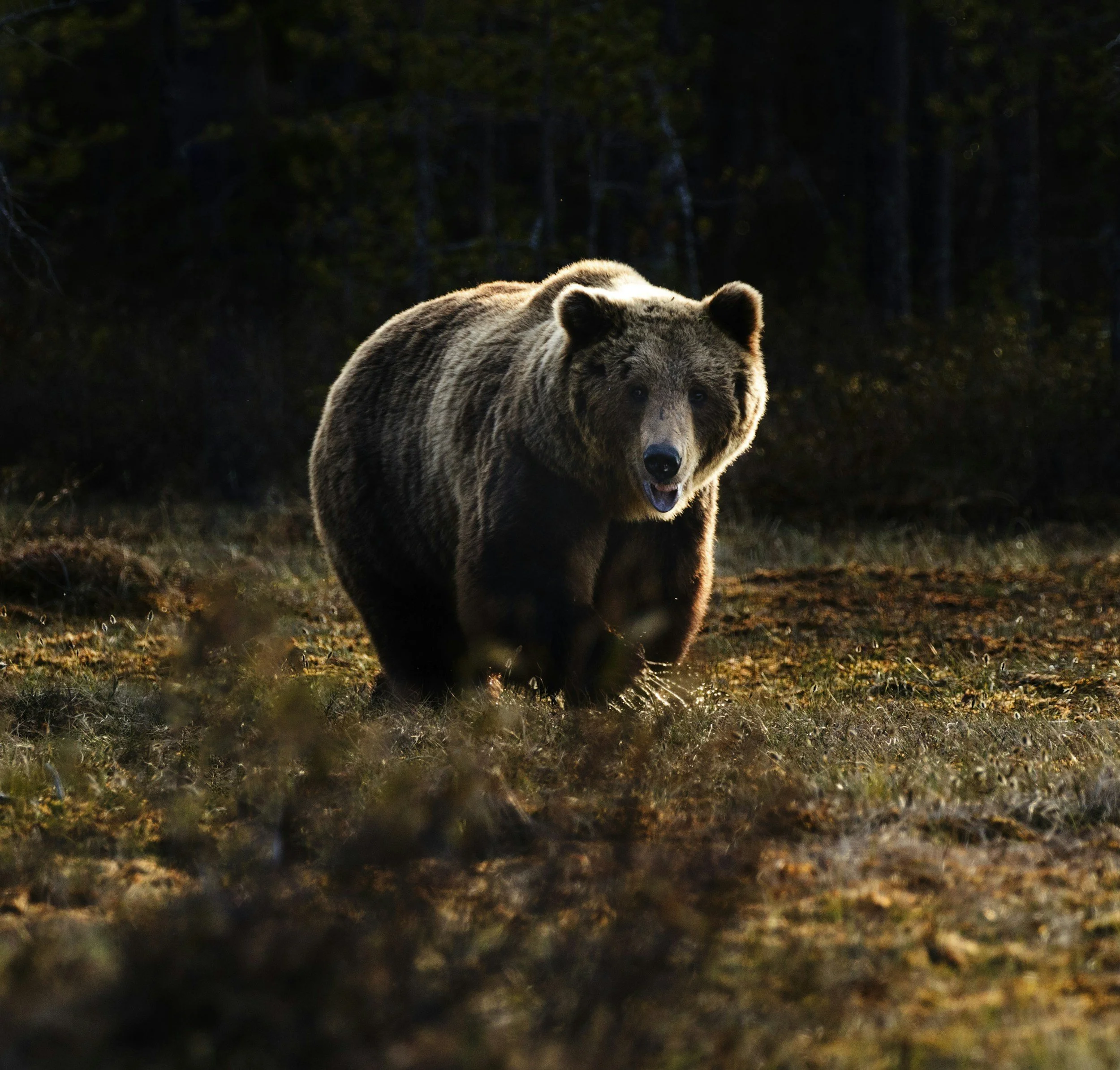
Brown Bear
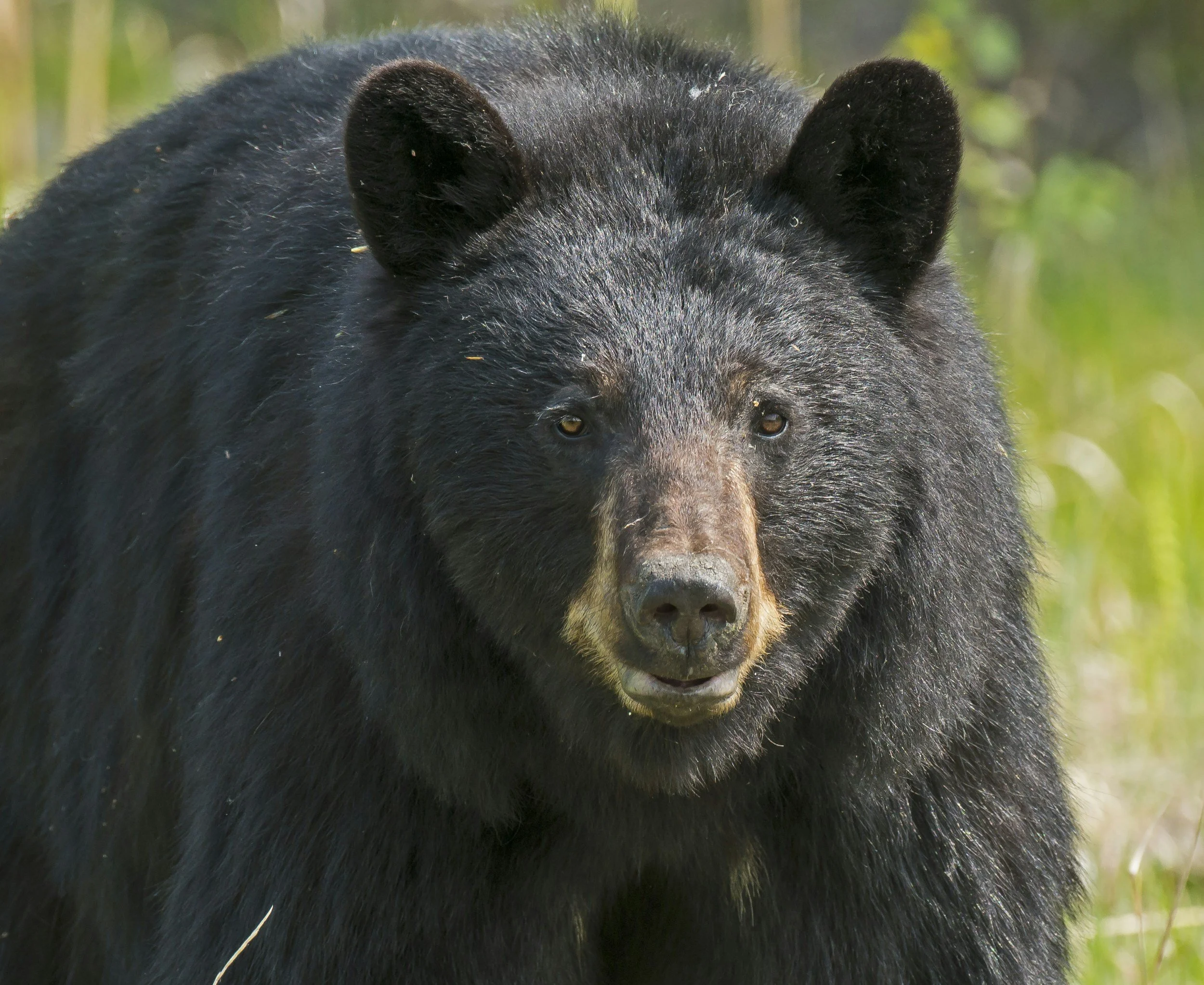
Black Bear